


 INTERVIEWS
"How long is Western Sydney going to be up-and-coming for?" BKR on curating SURPLUS
Ahead of their SURPLUS takeover, Western Sydney collective Beat Kitchen Records talk us through the bill, the Marrickville house parties that started it all, and why Sydney's multicultural sound deserves the same respect as London or New York.
Within Gadigal Land/Sydney’s music and culture conversation, there’s been a long-running appraisal of the city’s western suburbs as a location that has, seemingly endlessly, been up-and-coming.
But contrary to popular focus, diasporic communities of young people have defined Australian popular culture for years. One only has to look to the musical movements of today, with a growing and undeniable interest in Latin club music, Ethiopian jazz, Cumbia, Lovers Rock, High-Life and so much more, to understand that pigeon-holing areas of our cities only does the city as a whole a true disservice.
Beat Kitchen Records, also affectionately and regularly abbreviated as BKR, is a label-turned-radio show-come-party series, first started in 2016 but refined into an official collective in 2021, formed by cousins Adrian Castillo & Fernando Benavides as a love letter to their city.
The duo are all too aware of how ‘noise’, generated online and through more commercial attention, can misrepresent the health or interest in culture. For them, BKR has always been about consistency. That’s seen them partner with the likes of Club 77, the Ace Hotel, Powerhouse Museum, as well as events for hte City of Parramatta, Bankstown Arts Centre and Fairfield City Council. Such work has helped to earn them nominations for Best Music Program on two occasions at the FBI Radio SMAC Awards in 2024 and 2025, and they have just launched their own digital station, Centre Point Radio.
This month brings one of BKR's bigger collaborations, with a takeover of multi-venue festival SURPLUS’ market programming. The festival, presented by Supply Store and Nike Sportswear, has handed curatorial responsibility over to BKR for a swathe of markets, vintage pop-ups, art and food. That curation brings Hugh B & Setwun's live show, fresh from their latest record ‘Nah Maybe’ on Planet Trip, as well as broadcaster, writer and DJ Adinda, alongside BKR's own selections.
Mixmag ANZ spoke with Benavides about how such a collaboration, and a focus on Sydney music, is at the core of what BKR aims to do.
This conversation has been lightly edited for length and clarity.
Q: Fernando, thanks so much for the time. As I understand it, BKR started as something more vague before it was a label. What gap in Sydney did you feel no one else was filling when you first started?
F: Yoooo! What’s goodie, Jack. It was kinda the opposite haha – BKR started off as a record label, with the purpose of recording & releasing underground Western Sydney music. I conceptualised BKR in 2016 when I was studying Audio Engineering, so recording & releasing was the key focus at the time. 5 years later, my cousin Adrian & I founded the collective. Around then, we had just settled into an old converted office-turned-apartment in Marrickville.
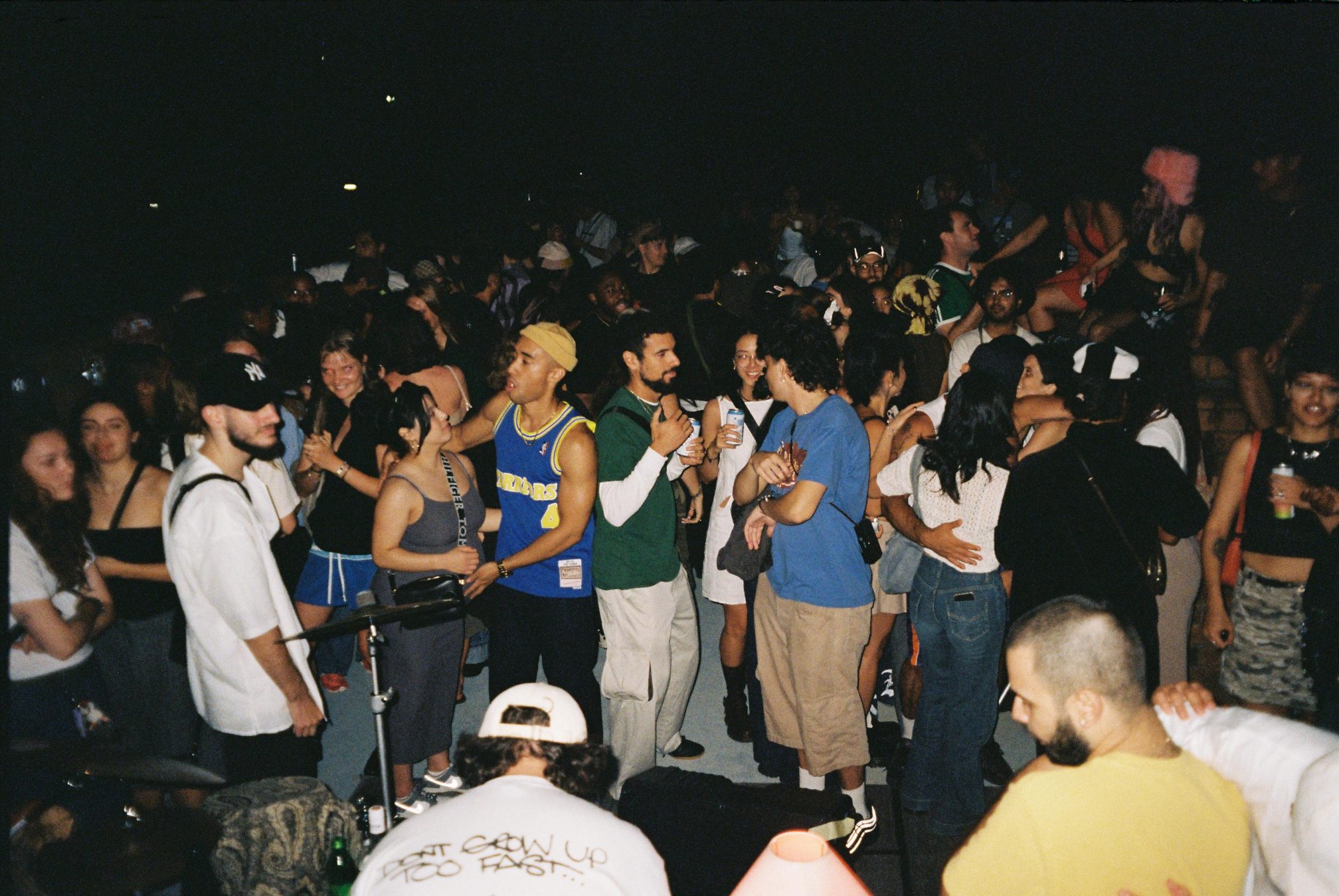
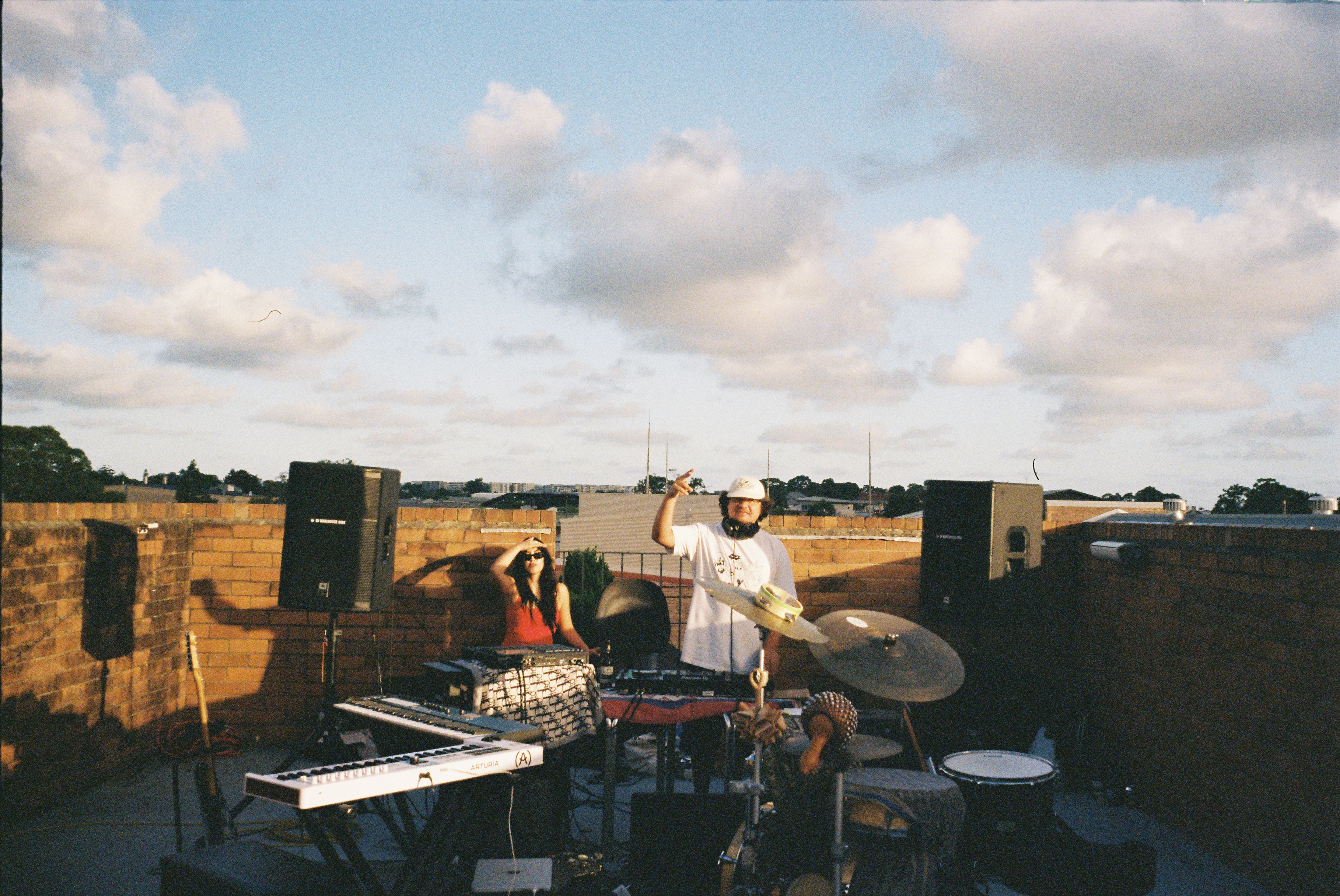
We saw this as an opportunity to start hosting D.I.Y events at our Marrickville house as a catalyst for both establishing a foundation for BKR, connecting with more Inner-West crowds, and also a way to platform Western Sydney DJS. This led to our Rooftop Dance series, where we hosted DJs like Kilimi, Adi Toohey, Mike Who, Buse, Ciara and many more. At the time, I had no idea how CDJS even worked, and we'd never run events before; we just wanted to roll the dice and try to connect the two parts of our worlds.
That first event was a $10 entry fee, secret inner-west location, BYO – the whole shabang. We even ran a Chilean BBQ to sell food for the dancers and had friends help out in various ways. I say this all because I think it gives context to the mission we’ve been on. Music is the centrepiece of what BKR is, but it's always been so much more than the sonics.
We’ve always been conscious of building a world that includes community, food, art, and music, while platforming and giving a voice to those who haven't been given that opportunity. Always with the goal of harbouring genuine connection in our community & creating a new identity for Sydney City.
Q: The importance and variety of Western Sydney's music has become undeniable in recent years, particularly to the point where it feels like it's become an entirely separate musical ecosystem. What does that distinction mean for you day-to-day?
F: Being from the multicultural melting pot that is Western Sydney, you naturally gain a lot of influences from your friends and community that surrounds you. This teaches you, in a way, to understand, learn and appreciate the nuances in culture.
Western Sydney’s has an undeniable deep connection to Hip-Hop, one that I think goes much further back than people realise. People often refer to BKR as a ‘hip-hop crew’, and I don’t hate that. I just think we represent much more than that. Our generation of creatives don’t want to be boxed into one sound; we’re multi-faceted and have evolved through a time when all forms of subcultures have begun to overlap and intersect. We really strive to represent that.
I practice this day-to-day through our DJ sets, really. Where I'm playing everything from Ethiopian Jazz, Cumbia, Lovers Rock, High-Life and then sprinkle in some local cuts from artists like Station Hayds, Ms. Thandi and Yungin Lipz. It’s always with the goal of finding a sonic through-line between world music and sounds coming out of Sydney.
Q: A lot of Western Sydney's cultural output still gets framed through hip-hop, or through Sydney's "next big thing" narrative. Is this a basic take, do you think?
F: Yeah, for sure, it definitely feels like a dated thing. Like, how long is Western Sydney going to be up-and-coming for? Western Sydney artists, both underground and more mainstream, have had a huge influence on the Australian cultural zeitgeist. I think it’s time more people recognised that and dropped the "next big thing" label.
Q: You've had a foot in Sydney's CBD for a while now, including the Ace Hotel lobby, Club 77 and the AGNSW. What does programming something in these spaces feel like?
F: We’ve always had a strong focus on being able to platform our community spaces where they may typically not have the opportunity to. Thinking back to our last Club 77 takeover, we had Sollyy do a hybrid DJ/Live set where he was MCing over 130BPM dance tracks. Followed by Bebecito, who played a whole lot of Latin cuts, everything from Perreo, Salsa and Reggaeton. Then Angie Osman closed it out, playing everything from Bouyon to Hip-Hop and other world dance music. These are three Western Sydney DJs from very different cultural backgrounds, and they deliver very different sonic experiences for the audience. That’s what excites me about programming in spaces in the CBD – pushing for these unique experiences to audiences that may not even know what to expect.
Q: From what I understand, this is your second year working with SURPLUS. What's it been like to be involved?
F: It’s been a blessing to be able to work on Surplus for a second year in a row. It’s such a unique moment for our city and makes our scene feel way more connected to what's happening globally. We’ve been working with the Flipside crew on various projects centred around events with Carhartt or Stussy. Surplus has been a great addition because it’s more than just an event; it's a connecting point for everyone in our communities.
Q: Retail spaces like Supply can have a really formative impact on people shopping there, from a musical perspective. Do you guys have any memories of that kind of impact on your musical journey?
F: I think a space like Supply Store is an embodiment of where sub-cultures can meet, overlap and connect. Parts of the Hardcore scene really feel like that to me too – like this idea of mixing sportswear, graphic tees, technical fabrics, sneaker culture + fanzines, small publications and homewares. That’s so fresh to me!
I've always found the appreciation and overlap of Hip-Hop in the Hardcore scene so interesting and genuine. Both subcultures grew out of resistance and innovation, which has left a long-standing influence on what so many of us do now. Third spaces play a huge role in allowing our community to learn and share knowledge. Getting shit on by the dude at the record store or the skate shop is a part of the formative journey. In a weird way, it kind of teaches you discipline and respect for the subcultures you want to participate in.
Q: Curating is a very different skill from running your own party. How do you approach something like SURPLUS while ensuring it remains true to who you guys are?
F: For BKR, I'm always very conscious about who we are aligning ourselves with. It's hard to deny that ‘community’ and ‘western sydney’ have both been buzzwords for quite some time now. From conversations with the crew behind Surplus, they genuinely understand who we are and what we’ve been trying to build over the years. Inherently, that means freedom when curating this event, because there's a strong level of trust and understanding between the two parties. That mutual respect makes me want to strive even further to create a well-rounded experience for the audience.
Q: Hugh B & Setwun are set to bring a live element to the day, fresh off the back of their latest record on Planet Trip. What made this feel right for the day?
F: To me, it felt like the most natural alignment for the energy we’re trying to build on for the day. Sound system culture and the music that surrounds it have had a huge influence on my understanding of both community and the power of sonic healing through sound.
About a month ago, I was in London for a BKR show and crossed paths with Setwun. We spoke extensively about how sound system music creates a physical experience for the audience. When you feel music travel through your body on a large sound system + there’s this collective movement from the crowd on the dance floor. That synergy and shared experience can really help nurture connection in communities.
There's a spiritual element that ties it all in, y’know? The oscillating delayed vocals, the bass bumping, the hi-hats cutting through. And that hypnotic chugging rhythm — this is something we want to deliver to our audience at Surplus.
Q: How do you rate the album?
F: I loved the new record — I’m a huge fan of everything Hugh B & Setwun do; they’ve really been holding down the city for a minute and are an important part of the Sydney City ecosystem. I’d love to see more musicians in our scene adopt this sound, especially those from Western Sydney. It’s so exciting to listen to this record and hear where Hugh’s and Setwun’s musical influences intersect. Also, endless love to our big homie, Mike Who — Planet Trip releasing this record is really the cherry on top.
Q: Adinda shares a lot in common with you guys, in the sense that she's many things at once. A broadcaster, writer, DJ. Is that kind of overlap a coincidence, or something you're looking for in people you work with?
F: To be honest, it’s not something I’m always looking for; I just feel very blessed to have a strong community of friends who are multidisciplinary and talented in so many ways. I’ve been wanting to book Adinda for a long time, and I always pictured it happening in a club setting.
I remember her and I yapping on a night out, and she told me she was diving deeper into early Dancehall, Reggae & Dub. With that in mind, and knowing her sonic palette extends to Spiritual Jazz, Soul, and R&B, having her play on our Surplus lineup was a no-brainer.
Q: Finally, you guys, of course. When BKR performs as a collective rather than a single name, how does it work when you're playing?
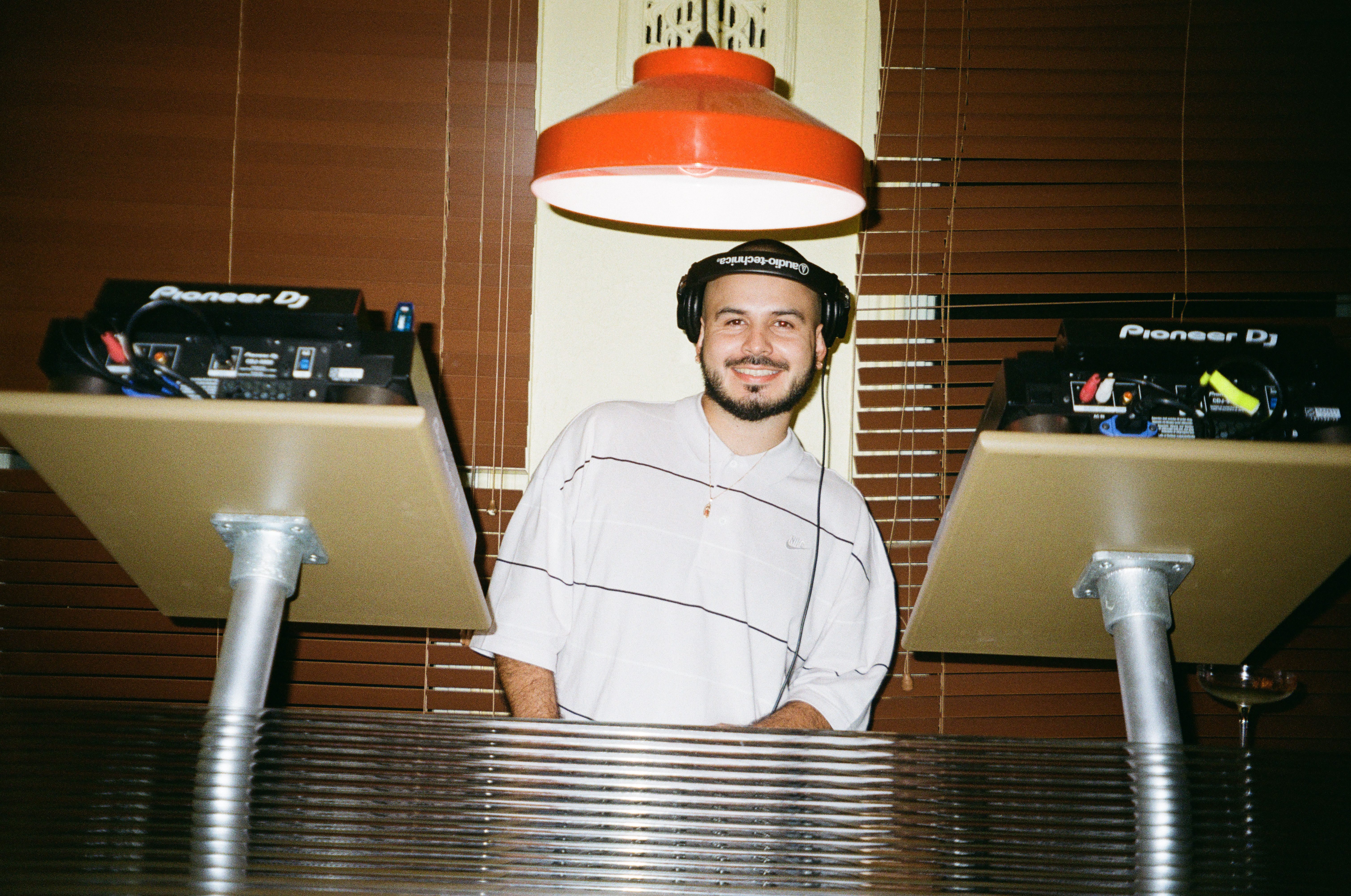
F: Adrian & I are both musicians; the whole BKR DJS thing really kinda came together when we started running events and needed someone to hold down the opening slots. We’ve always backed our music taste and pushed ourselves to play shows and learn all the ins and outs of what it means to be a selector.
Adrian has been living overseas for the past few years, so it's just me holding it down on the decks. It’s been a fun journey, and it's also helped refine my ears over time. It's really helped me understand what human groove & soul feels like in music, and how you can take your audiences on a journey through sound.
Q: Mixmag ANZ readers tend to come from all over, and an aligned love of music and culture is what unites so many of us. Why do you think what you're doing feels important enough for everyone to notice? Or is that not a priority for you guys?
F: I feel like we’ve always stayed true to the mission we set when starting BKR — which was creating a space where we could champion, platform and celebrate the creative minorities in our community. It’s kind of crazy to think about the 5ish-year journey we’ve been on. Sydney has changed so much in that time; Western Sydney is a whole different playing field. One that still demands respect and proves it through the continuous output of music from the area.
I feel blessed and proud to run a platform with such a diverse reach across different pockets of our city, too. All these organisations engage us because they see the authenticity in our work. We’ve never had to compromise our values or sacrifice creative visions to align with these institutions. You can immediately sniff out when someone is trying to use your brand without any real understanding of your ethos.
There's also a layer of casualness in the BKR brand that reflects Adrian and my personalities. I think this casual, passionate, and egoless approach to creating the platform has really made people feel welcome to participate in this world we’ve built. We’ll laugh often because so much of the work we do feels so self-indulgent, you know? Whatever we’re working on – is whatever we’re into at the time. Like fuck it, we want to shoot and produce a short film? Hectic, let’s do it. We want to do a Cumbia party in Marrickville? Fresh! Let’s run it. We want to design and release a whole clothing collection? Sick, we’ll figure it out.
We’ve always had a strong DIY attitude to what we do, and it’s been heartwarming & reassuring that people are so excited to be part of the BKR world. But they're also aligned with the mission we’re on to build and celebrate our city. To me, that's a real community.
Q: Sydney's nightlife has spent the best part of a decade being written off. What version of Sydney are you trying to show the rest of the world?
F: Thinking back to when OneFour popped off in 2018, and people from around the world are in the YouTube comments being like ‘…damn I didn’t know they had islanders in Australia?’ And they make Drill music?…’
I thought that was so insightful into how the rest of the world views our country. There’s so much diversity and multiculturalism that exists in Sydney, and it’s a huge part of what has shaped our culture here. I’d love for the rest of the world to know that we’re not all surfers with blonde hair. This Home & Away perception that has been exported as the normality of the life we all live here is not the reality for a lot of us. We’re a city just like NYC or London, whose immigrants and multicultural communities have been crucial in shaping the city’s identity.
Unfortunately, we don’t have the infrastructure or density to support our local scenes the same way NYC or London does. What we don’t lack, however, is talent — there’s hella fresh music, art, and local culture coming from our ecosystem. And it deserves the same respect any UK or US artist receives.
-
SURPLUS's wider program of markets, art and community events runs across the weekend of Friday, October 16 to Sunday, October 18, including Rainbow Disco Club: Sydney Open Air, run in collaboration with Mixmag ANZ.
Tickets to Rainbow Disco Club: Sydney Open Air are available here.
