


 INTERVIEWS
Venue Spotlight: Angel Music Bar
One of Naarm’s most regularly soundtracked CBD spots has been renewed rather than replaced. We spoke with founders Edd Fisher and Jamie Bennett alongside programmer Naomi Salim to find out why.
In Australia’s major cities, there’s a consistent kind of rebuilding that can often make them feel all too temporary. Roads, shopping centres and parklands are all subject to an endless cycle that can see them reworked for the needs of every new decade rather than built to last. This is partly due to the needs of a ceaselessly hungry construction and real estate industry, and perhaps also a symptom of so-called Australia’s struggle with its own sense of identity.
While clubs, pubs, and bars overseas might pay homage to decades or centuries of design, architecture, and hospitality firmly rooted in their culture, Australia, as a freshly colonised country, arguably doesn’t have any of that to rest its drink on.
A slight exception to this rule, however, is the constraints placed on liquor licensing in many of Australia’s cities. Naarm/Melbourne, for example, had a 13-year freeze on new late-night venues in its CBD, lifted only in 2023. As a result, many venues that shut down weren’t replaced, and spots changing hands were just as momentous as a new one coming into being.
That kind of momentum has breathed new life into Angel Music Bar, one of Naarm’s more regularly soundtracked late-night CBD spots, recently renovated and with a freshly tuned Funktion-One system to boot.
In October of last year, Edd Fisher of Wax’o Paradiso and Jamie Bennett of Crown Ruler & Northcote venue High Note went into business with the venue’s owner, restaurateur Con Christopoulos.
Angel already had a reputation for reliability. It’s long stood as one of the city’s after-hours haunts, something that both Edd and Jamie understand all too well. Jamie’s connection goes back to the first public event upstairs, a night with John Gomez and Floating Points after the Duke Street Block Party, while Wax’o Paradiso has hosted events in the space.
Unlike many renewal projects, Jamie and Edd’s approach to Angel came with clear purpose. They came to renew what was already there, not rebuild. To them, keeping Angel’s identity intact is how they honour the people who built it, whether they be the people at the helm, its bartenders, or its laundry list of DJs.
In doing so, Edd and Jamie have tapped local DJ Crÿbaby, aka Naomi Salim, as the venue’s booker. While both have a near eye-watering amount of curatorial experience, this move makes clear Angel’s renewal isn't just aesthetic or functional. In the last month alone, Naomi’s programming has included locals like Darcy Justice, Soju Gang, Yarra, LEVOs, JUPiTA, C000KIE, Guy Contact and Solar Suite, as well as interstate acts like Hugh B and Setwun, and many more.
Mixmag ANZ gathered with the trio in a spirit of reverence to learn what Angel’s rebirth is called to be.
Q: Team, thanks so much for taking the time to speak with us. First, congrats on the venue's relaunch; we know it’s been in the works for a while. To start, I’d love to know: what conversation led you guys to buy into Angel?
JAMIE: Edd and I both already had a beautiful connection to Angel.
My relationship with the venue goes right back to the first public event upstairs with John Gomez and Floating Points after the Duke Street Block Party. I was also living in the city at the time, and Angel became almost another loungeroom for me. Wax’o Paradiso had hosted a handful of events in the space too, so between us there was already a lot of history before there was ever a conversation about taking it on.
We’d also collectively always seen this incredible potential in Angel that, for whatever reason, had never quite been completely unlocked.
So when the opportunity came through Con, it wasn’t a case of looking around town for a venue to buy. It was specifically Angel. We already loved it and understood what made it special. The conversation was really about whether we could take something with seven years of history, put a huge amount of care and energy into it and help realise some of that potential without messing up what made us love it in the first place.
EDD: As soon as Angel opened, it instantly became my favourite watering hole in the CBD. It always attracted a super fun cross-section of creatives across many age groups and gave many great DJs and promoters a launchpad. It was somewhere I could always pull up to and run into some friends or like-minded people. As Jamie mentioned, neither of us was looking specifically at Angel, but when the conversation came up, it felt like a huge opportunity and responsibility to contribute to the grassroots music culture we live and breathe, where small rooms are very important.
Q: Edd & Jamie, you both bring a wealth of experience to the space from varying perspectives. Edd, Wax’o has become a tour de force across the country as a duo, but also in its events and the label, and your time at PBS has really cemented you as a regular voice on Naarm’s airwaves, while Jamie, you’re intricately involved in all kinds of bookings both at home & abroad through High Note and Crown Ruler. What has taking on this challenge meant for both of you, given that experience?
JAMIE: I think the funny thing is that all the experience in the world of touring, promoting, DJing, or running events still doesn’t completely prepare you for operating a venue every day.
Through Crown Ruler, I’ve spent years thinking about shows from the perspective of the artist, promoter, and audience, and High Note has taught me a lot about building a venue and community week after week, rather than arriving, throwing a party, and disappearing again.
Angel brings a lot of those worlds together. Music and hospitality are the two industries we deeply care about, and we’re learning all the time about how to make them work better together.
Edd and I approach things from slightly different angles, but we complement each other naturally. Con is also a proper deep music head himself. His CD collection would rival most people’s, so we share a genuine love and understanding of music. That makes a massive difference when you’re having conversations about what the venue should actually stand for.
Running a venue remains incredibly humbling, though. The toilets matter as much as the sound system. The person coming in at 5 pm for a drink matters just as much as the person arriving at 3 am to dance.
EDD: We both love a challenge and believe so much in this space; we also took it nice and slow for many reasons, including making sure we learn the nuances and quirks of the place. It has been part baptism by fire for me, but also a really pleasurable and fun experience. Having Con’s wealth of knowledge and rolodex has been a huge help, as well as Jamie’s business acumen and experience with High Note. Angel didn’t need us to reinvent the wheel, so we've focused on the culture, the creative flourishes, and the programming.
Q: As I understand it, you’re both partners with Con Christopoulos. How does that partnership interact with what Angel once was, and what it is now?
JAMIE & EDD: Con is a huge part of the DNA of the building and obviously Naarm hospitality more broadly, so having that continuity was really important to us.
We weren’t interested in stripping Angel of its history and pretending something completely new had arrived. It’s much more about taking responsibility for something that already mattered and working out where we could add to it.
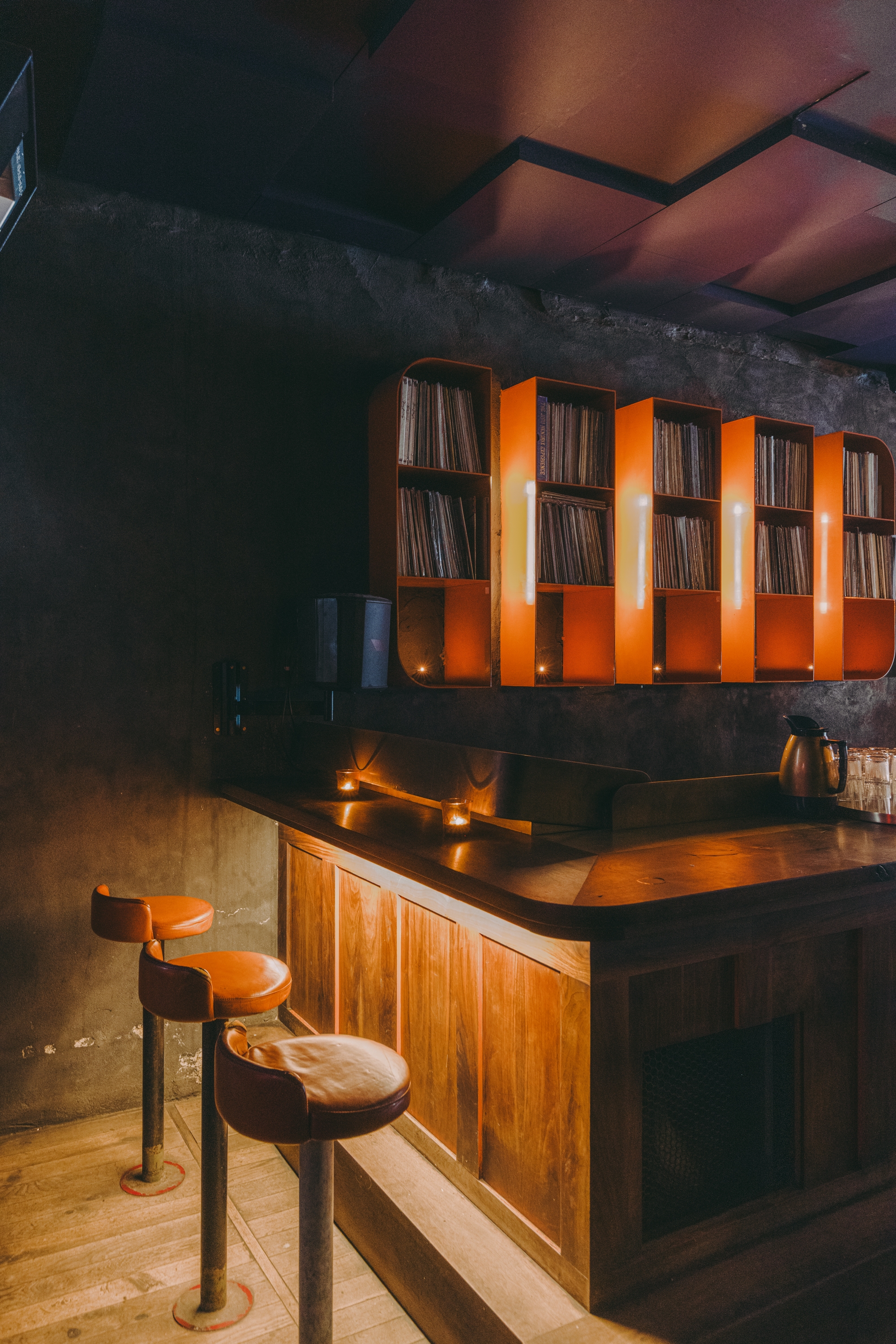
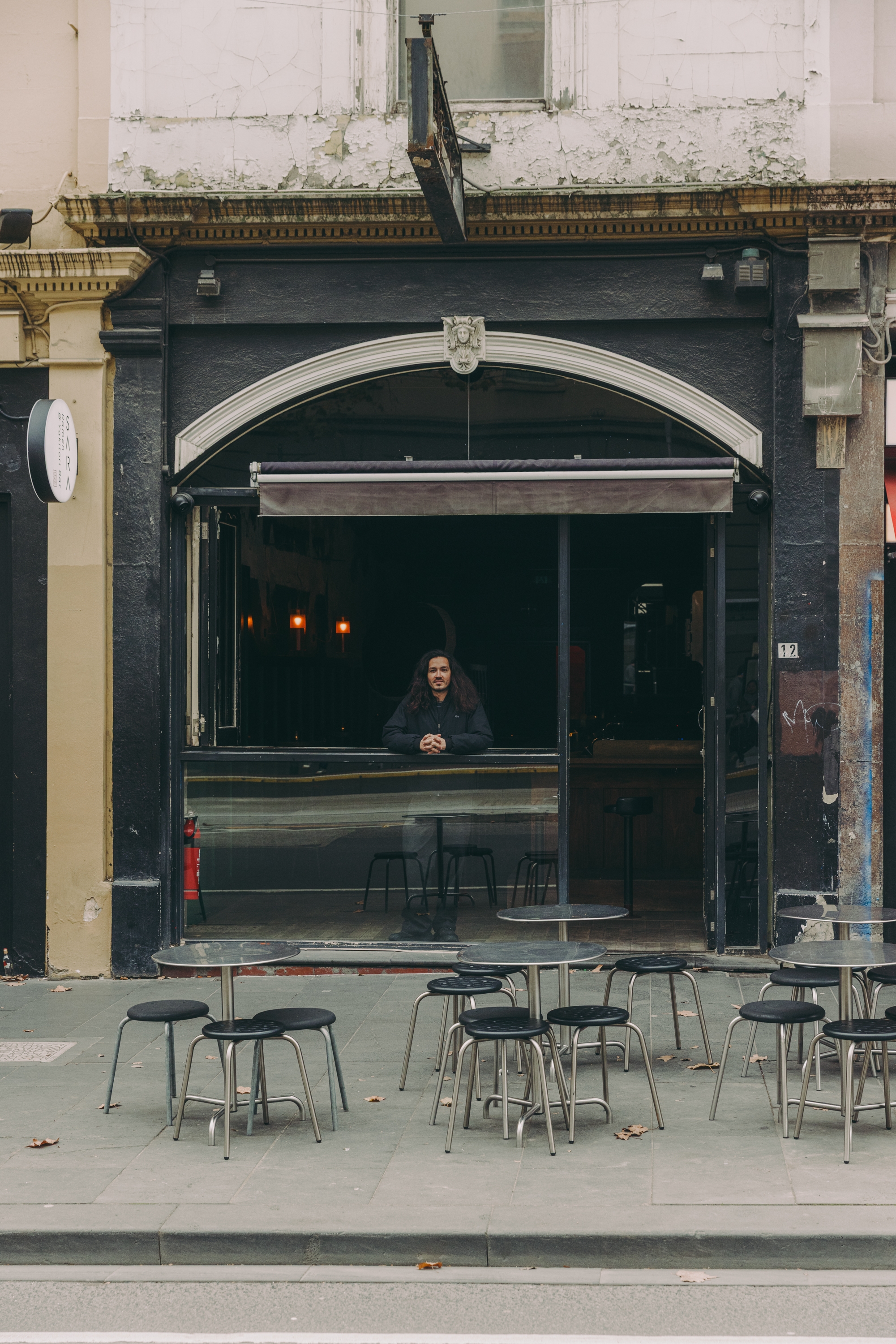
One of the most interesting things about Angel is the crossover between the public bar and what happens upstairs. The downstairs patronage is incredibly broad and diverse — people can wander in off Bourke Street with absolutely no idea what’s programmed above them.
When different music crews and communities run nights upstairs, that creates really nice moments of exposure and education. Someone can walk in for a drink and suddenly be exposed to music, DJs or a community they might otherwise never encounter. There’s something quite special about that pedestrian traffic meeting some of the deeper corners of what this city has to offer.
Con and the Butchers Diner team now add another layer to that relationship through their food offering.
Q: Angel had a strong reputation before you joined, having been open for seven years. What stood out to you from the venue’s previous life?
JAMIE & EDD: Its lack of pretence.
Angel always felt like somewhere you could stumble into without a plan and suddenly realise it was much later than you thought. It had a natural ability to pull people in and let the night unfold however it wanted.
It could also be several things at once. You could sit downstairs having a drink, end up upstairs dancing and somehow still feel like you were in the same place.
That looseness and unpredictability was definitely something we wanted to protect.
Q: Is there anything you made sure to leave exactly as it was?
JAMIE & EDD: Plenty. The bones of the building, the downstairs bar and the general feeling of Angel were things we were really careful with. Making sure it was accessible by keeping downstairs always free and always open late.
Even where we’ve changed things, we’ve tried not to polish away the imperfections. We didn’t want it suddenly feeling like a brand-new nightclub dropped into an old building. It still needed to feel like Angel.
Where we have invested heavily, particularly upstairs, the intention has been to create an environment where artists feel as comfortable and supported as possible to do their thing at their best. The infrastructure can improve enormously without changing the soul of the place.
Q: Conversely, what were you really excited to change? Why did that feel like it needed a revamp for what Naarm is now, vs. what it was before?
JAMIE & EDD: Upstairs was where we saw the biggest opportunity.
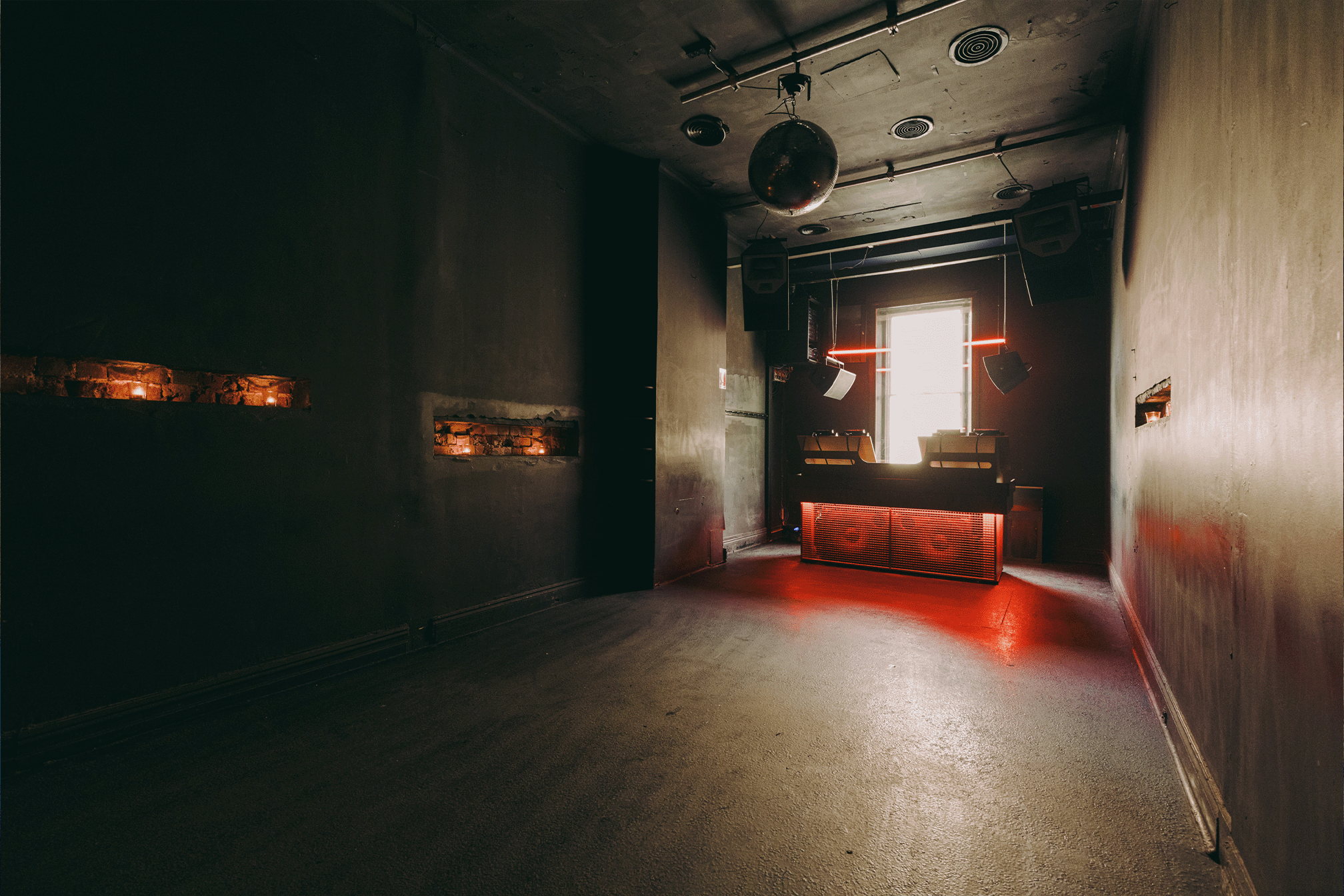
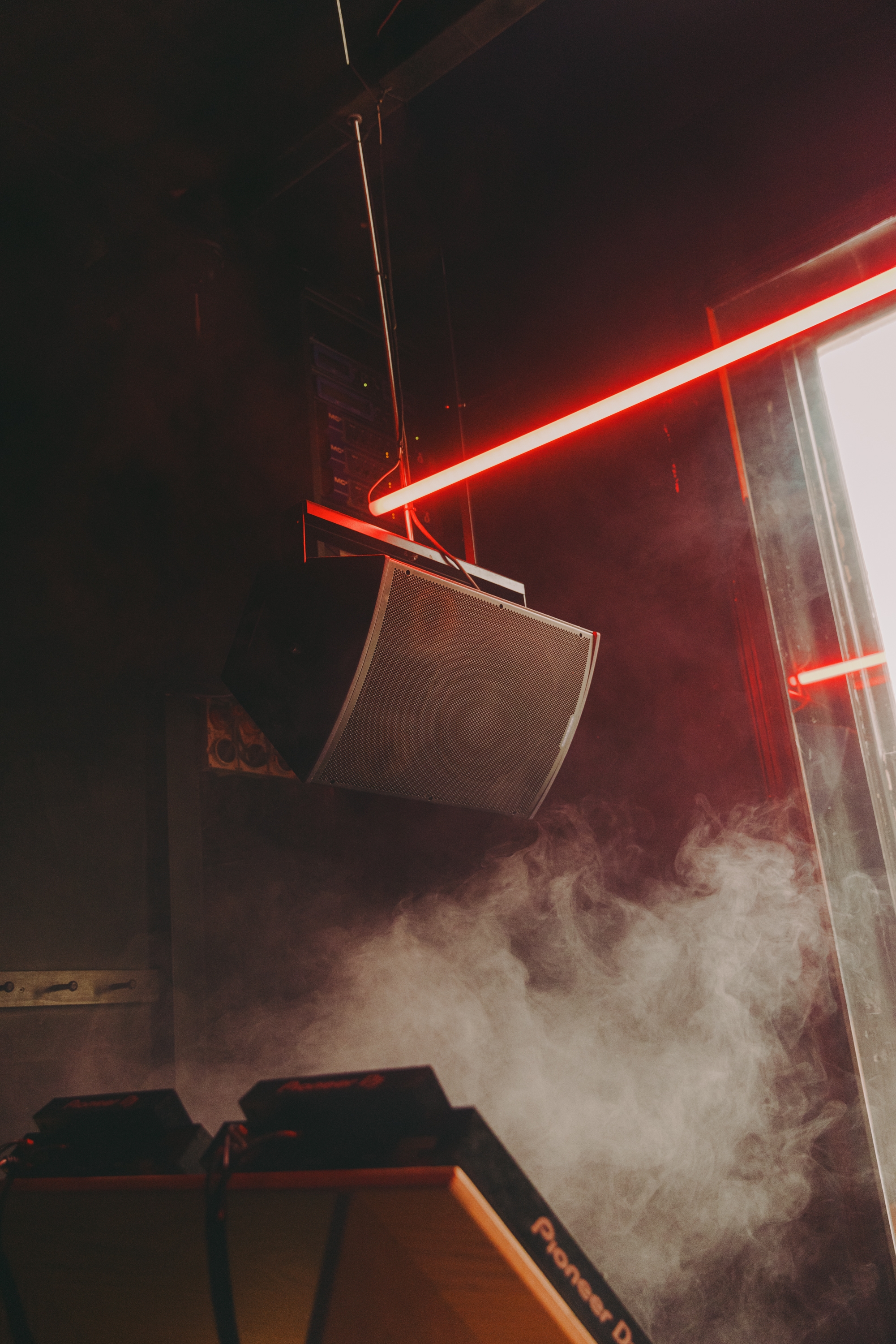
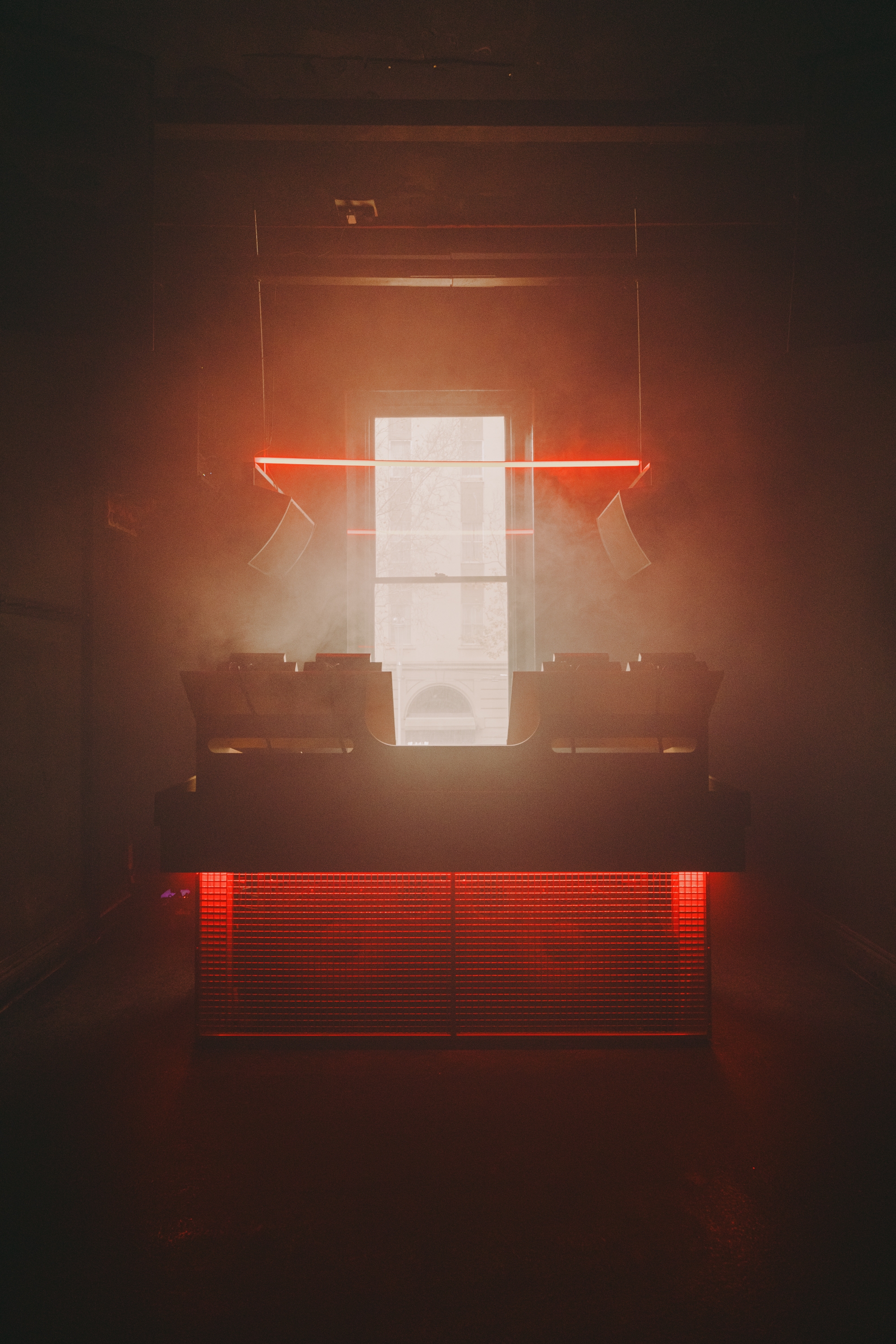
We wanted to create a genuinely great small club room — proper sound, a serious DJ booth, considered lighting, and, most importantly, an environment where artists feel comfortable, supported, and able to do their thing as best as they can.
What started as a fairly lean renovation quickly became a much more ambitious exercise once we started pulling things apart and understanding what the room could actually become.
One decision naturally led to another, but if we were going to do it, we wanted to do it properly. We weren’t interested in making it bigger or changing what Angel fundamentally was. It was really about investing in the room and giving it the infrastructure we felt the space and the artists deserved.
Q: Naomi, you’ve come on board to curate the bookings for Angel. What does it feel like to be handed that mantle of responsibility?
NAOMI: It feels great. I’m really proud to be part of the team and to have the opportunity to help curate the sound of the space. There are so many incredible DJs and artists across Naarm and Australia, and I’m excited to bring people and crews into Angel who I feel can really connect with the space and share their sound with the community.
Working alongside Jamie and Edd has also been really beautiful. We all come from different corners of the industry, so we each bring a different perspective to the table, and I think that balance works really well. They’ve been incredibly supportive of my ideas and contributions, and I really appreciate the trust they’ve placed in me.
Q: There’s a fine line to draw between bookings that might suit one venue vs. another, especially in a city as big and as aligned as Naarm can often be. What is your vision for how Angel sets itself apart?
JAMIE & EDD: We would never design the music program around trends or try to tailor the venue towards one particular scene.
The philosophy is actually really simple: quality music.
Beyond that, we want Angel to provide a platform for marginalised communities, create a fun and safe environment, bring some energy into people’s lives and properly merge the two industries we deeply care about — music and hospitality.
Genres will move around, generations will change, and new communities and sounds will emerge. That’s healthy. If the foundations are quality, openness, safety and genuine support for the people contributing to the culture, the venue can evolve naturally alongside the city.
Q: Angel is split into two spaces: its bar and its newly revamped club space. How do you ensure there’s cohesion (or a lack of it) when operating that regularly every week?
JAMIE & EDD: We don’t really have any hard rules around it.
Some events make complete sense as two levels of considered programming, where there’s a musical conversation happening across the whole building.
Other nights are much better when the event upstairs has a really clear identity of its own. In those cases we’ll often nurture and contrast that upstairs program with something quite different downstairs rather than trying to make the entire building sound the same.
That’s part of the fun of Angel. You can move between two very different environments without either one feeling disconnected from the venue.
Q: Edd and Jamie both have experience with bookings, and I can imagine that three people having oversight in bookings could get tricky. How do you actually decide, and who breaks a tie?
JAMIE & EDD: Naomi gets all the flowers here. She’s running the music program.
Edd and I see our role as supporting and mentoring her, sharing our resources, relationships and experience and helping wherever it’s useful.
The three of us have clicked up really nicely. We seem to naturally land on the same page when it comes to genres, music communities and, more importantly, what actually matters when you’re programming a space like Angel.
There’s plenty of healthy conversation, but very little need for a tie-breaker. And if it ever comes to one, Naomi can have the final say.
NAOMI: This is my first time in a role like this outside of promoting and curating my own events, so having Jamie and Edd sharing their knowledge and experience has made decision-making pretty seamless.
We all have a strong understanding of what quality music sounds like, so we share a musical language.
Q: There’s also a brand-new focus on midweek programming. Why does that feel important?
NAOMI: Outside of Australia, late-night culture is a much bigger part of the week in so many cities, and that’s something I really cherish. I believe Angel has the space and atmosphere to explore that here, which is exciting.
JAMIE & EDD: Midweek events are really important to us because not everyone is a 9-to-5 robot.
For plenty of people, their opportunity to properly enjoy a night out might be a Tuesday or Thursday because they’re working all weekend. If you’re part of the music or hospitality industries, Friday and Saturday are often when you’re grinding the hardest.
Beyond that, midweek gives us room to explore different tempos, genres and more meaningful, connected music sessions that can sometimes get washed out amongst the weekend warriors.
It gives artists more space to stretch out, audiences more space to actually listen and us more freedom to experiment with what a night at Angel can be.
Q: Naomi, this is your first time programming a venue rather than promoting your own events. What's the biggest shift in thinking between those two distinct responsibilities?
NAOMI: I think the biggest shift for me has been learning to think beyond my own perspective and the nights I’ve created outside of Angel. With Angel, I’m thinking more about the space, the people who already come through, and the different collectives and communities I’d like to bring in. It’s also been about finding that balance between having a clear direction with the music, while still giving other people room to bring their own ideas and identity into the space. It’s been really beautiful seeing so many different sounds come through Angel.
Q: You’ve mentioned that in other cities, late-night culture is a bigger part of the working week. Why do you think that is, versus in Naarm?
NAOMI: Naarm has an incredible nightlife, but it can be quite concentrated on weekends. In a lot of cities I’ve spent time in, late-night culture feels more integrated into everyday life - you can go out on a Wednesday, and it doesn’t feel like you’re making a huge commitment. I think there’s an opportunity to build more of that here, particularly because Angel has the intimate space where it could feel natural. We'd love to create nights that people genuinely look forward to during the week.
Q: Food is another element not hugely explored in Angel’s history. Why did it feel necessary to offer that in a space also so wired for early-morning finishes?
JAMIE & EDD: Exploring food was actually pretty simple. We love it, we have access to a kitchen and wonderful produce directly next door, and there’s an enormous amount of hospitality experience amongst the people behind the venue.
It felt crazy not to explore it.
It’s another extension of the skill sets already around Angel and just adds to the overall experience. Sometimes you want a tasty sipper with something equally tasty and nourishing alongside it.
It also means Angel can look after you at different points in the day and night rather than the experience only beginning when the dancefloor does.
Q: The club room looks to have had one of the most intense reworks. How much work went into it, and what does it feel like to play in?
JAMIE & EDD: A lot more work than any of us originally planned.
What started as a fairly lean idea around removing the old stage, rebuilding the booth and repositioning some speakers quickly turned into a much bigger exercise once we started pulling things apart and understanding what the room could actually become.
Then one decision naturally led to another — the booth, sound, acoustics, lighting, isolation and all the little details that nobody necessarily notices individually but collectively make an enormous difference.
The intention through it all was pretty simple: make a small club room that sounds great and feels great, and create an environment where artists are properly supported and comfortable enough to do their thing.
We weren’t chasing capacity or trying to turn Angel into something bigger. We just wanted to make the room much better.
Q: Edd, I read that you’ve called it one of the best DJ booths in the country. What sets it apart?
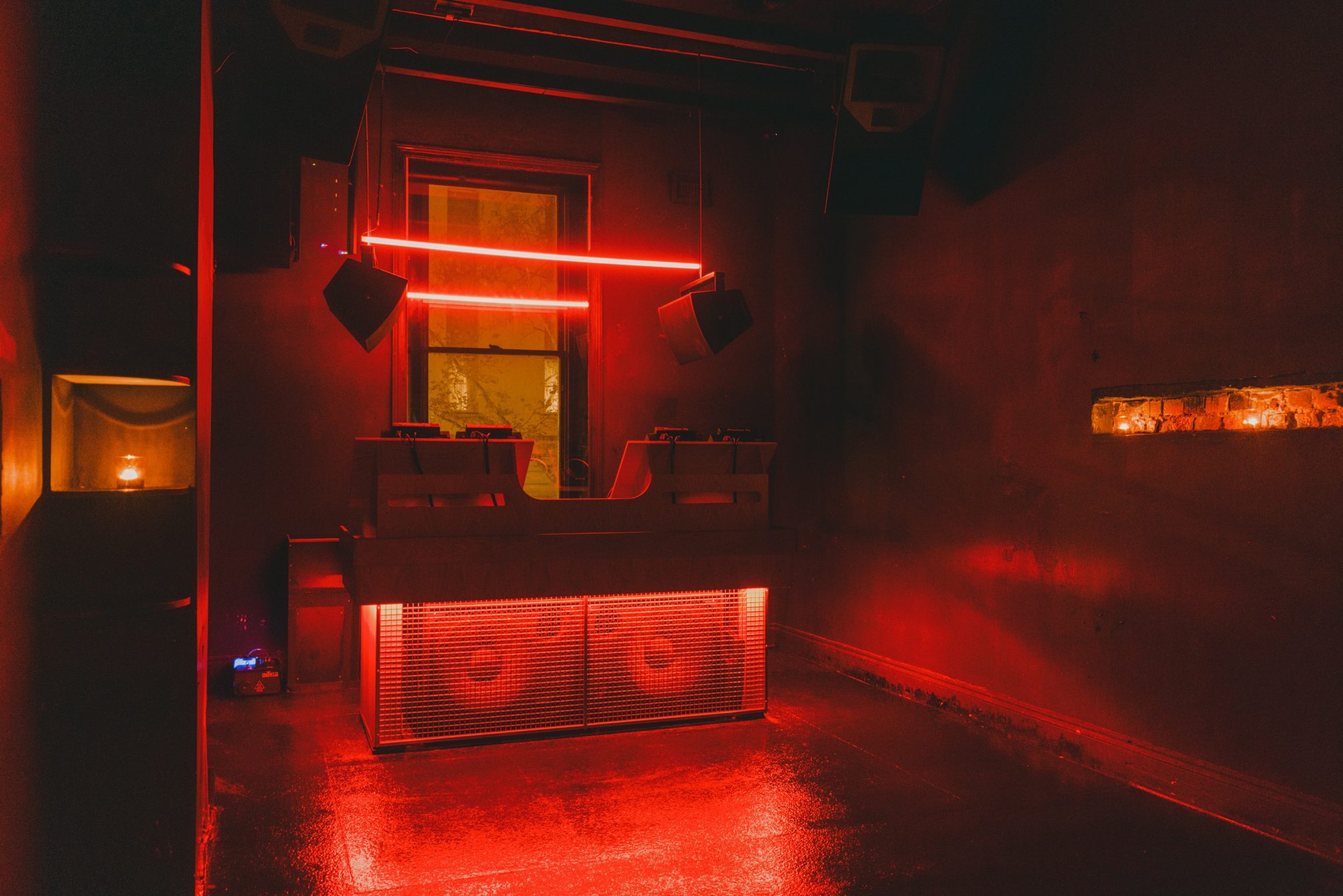
EDD: Designing the booth was a months-long process. Lauren Garner helped with the initial conceptualisation, providing a deck with shapes and materials. Then it was a hell of a lot of back-and-forth with my cousin James Hall, based in Hobart, who is an engineer and, amongst other things, a great vinyl DJ and DIY venue owner himself.
He did all the technical drawings in CAD, and with our combined experience and many revisions, we came up with something that is not only extremely gorgeous but functional. I could go into the technical side of things, but for me the best part about it now is the ritual around it, and the fact that it’s an object in the space that isn’t taboo for the dancers. You can walk up to it, touch it, interact with it, and place your drink on it. It’s as much for the dancers as it is for the DJs.
Q: There’s a real focus on artists playing vinyl, you’ve said. Why is that so important to the spirit of the spot?
JAMIE: I actually wouldn’t say we’ve deliberately put a focus on vinyl DJs. We’ve focused on making sure artists are properly supported, regardless of what format they play.
That means beautifully maintained Technics and proper isolation for vinyl, current CDJs for digital DJs, but also keeping something like a pair of CDJ-NX2s available so an actual CD collector can walk in with a folder of CDs and know their format is supported too.
We want the technology in the booth to accommodate the artist rather than the artist having to accommodate the venue.
That said, we have a lot of love for the music family who are still dragging 30 or 40 kilos of wax around the world. If somebody is making that commitment to their craft and bringing it into our room, the least we can do is make sure everything is tip-top, properly isolated, beautifully maintained and ready for them to play.
Q: What are your hopes for the venue & what has the reception to it been like so far?
JAMIE & EDD: The reception has been really encouraging, and we’re incredibly grateful for it, but we also know we’re only at the beginning.
We’re here to stay, and we care deeply about building something that feels timeless rather than something that belongs to one particular moment.
Angel already carries part of this city's musical and cultural history, and we want to respect the communities and people who have contributed to that history while also making sure the venue can be a playground for whatever comes next.
Naarm is part of a very young country and, in the bigger picture, a relatively young dance music culture. I think venues have a responsibility to be conscious of that — to respect and support the history that came before us, while also giving creativity, new communities and future music movements somewhere to grow.
If Angel can contribute in some small way to making Naarm a more exciting, creative and dynamic city, while remaining somewhere people can simply walk in, have a drink, eat something, hear great music and enjoy themselves, that’s a pretty beautiful outcome for us.
We’re just excited to keep building it.
-
Jack Colquhoun is Mixmag ANZ's Managing Editor. Find him on Instagram.
