


 COVER STARS
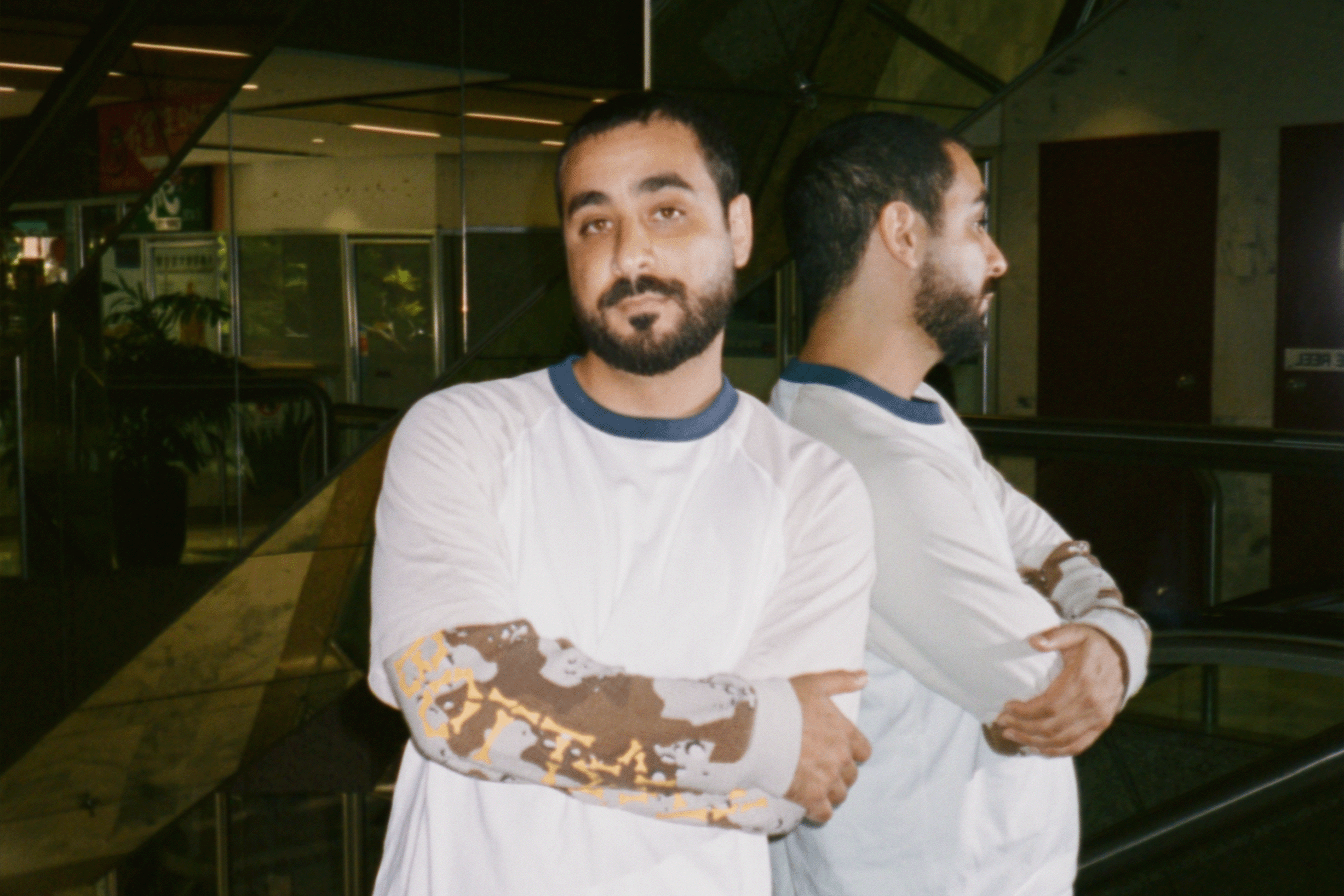
Moktar: Can't outrun a shadow
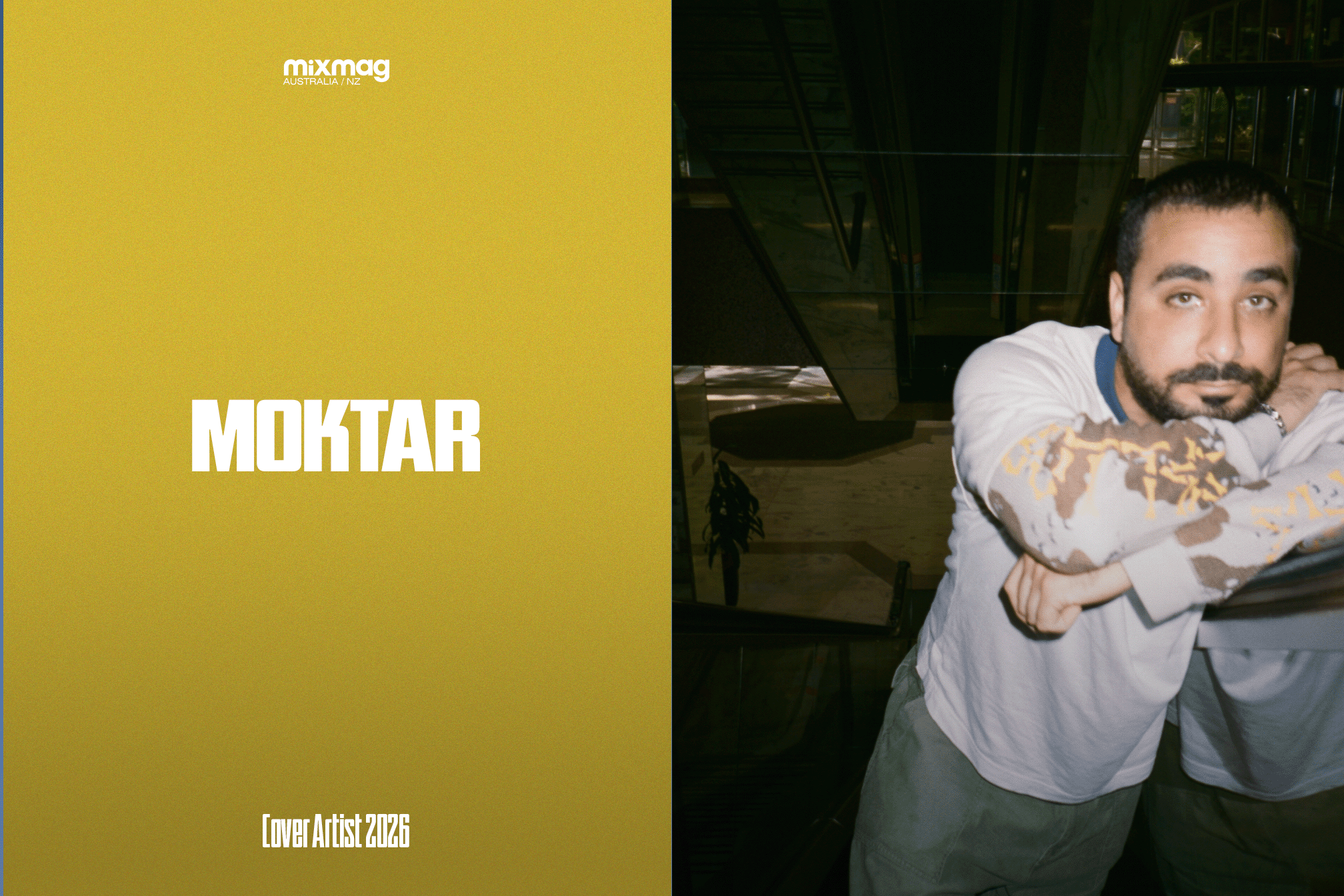
Ahead of his Sydney live debut, the Egyptian-Australian producer is Mixmag ANZ’s latest Cover Artist.
Phoenix Central Park is one of Gadigal Land/Sydney’s most beautiful musical spaces, yet also one of its most understated. The programme, updated monthly to include only local acts, is shared without the kind of algorithm-chasing bravado that music tends to be pushed out in 2026. With a ballot system awarding its tickets free of charge, the space has become a place where music is quite literally its only focus.
Seeing Moktar, quickly growing to become one of Australia’s most well-respected and trusted producers, grace its stage, as opposed to those he’s done in years past at the likes of Dekmantel, Nuits Sonores, Meredith and countless more, is the kind of purposeful choice that can feel all too rare in our modern musical landscape.
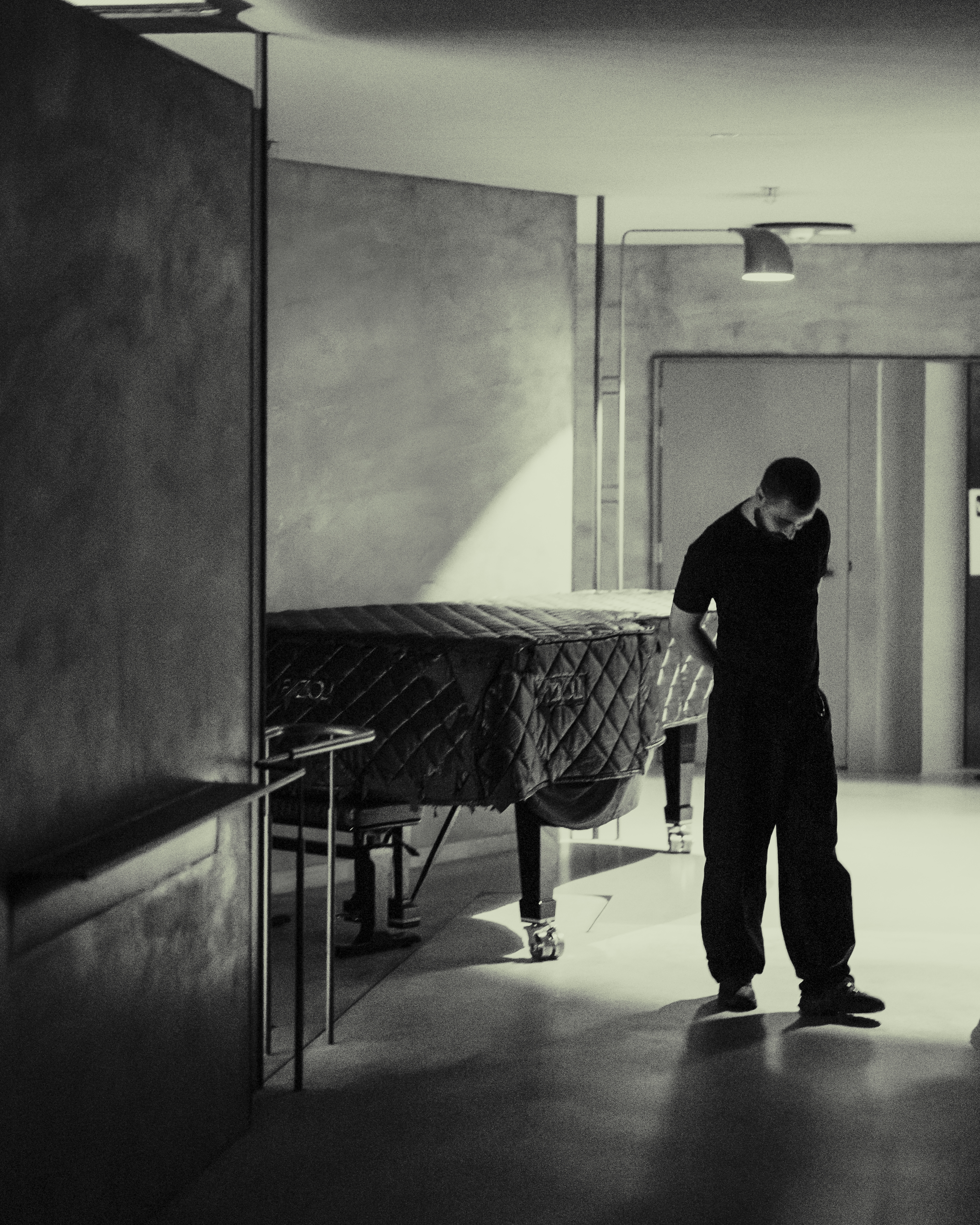
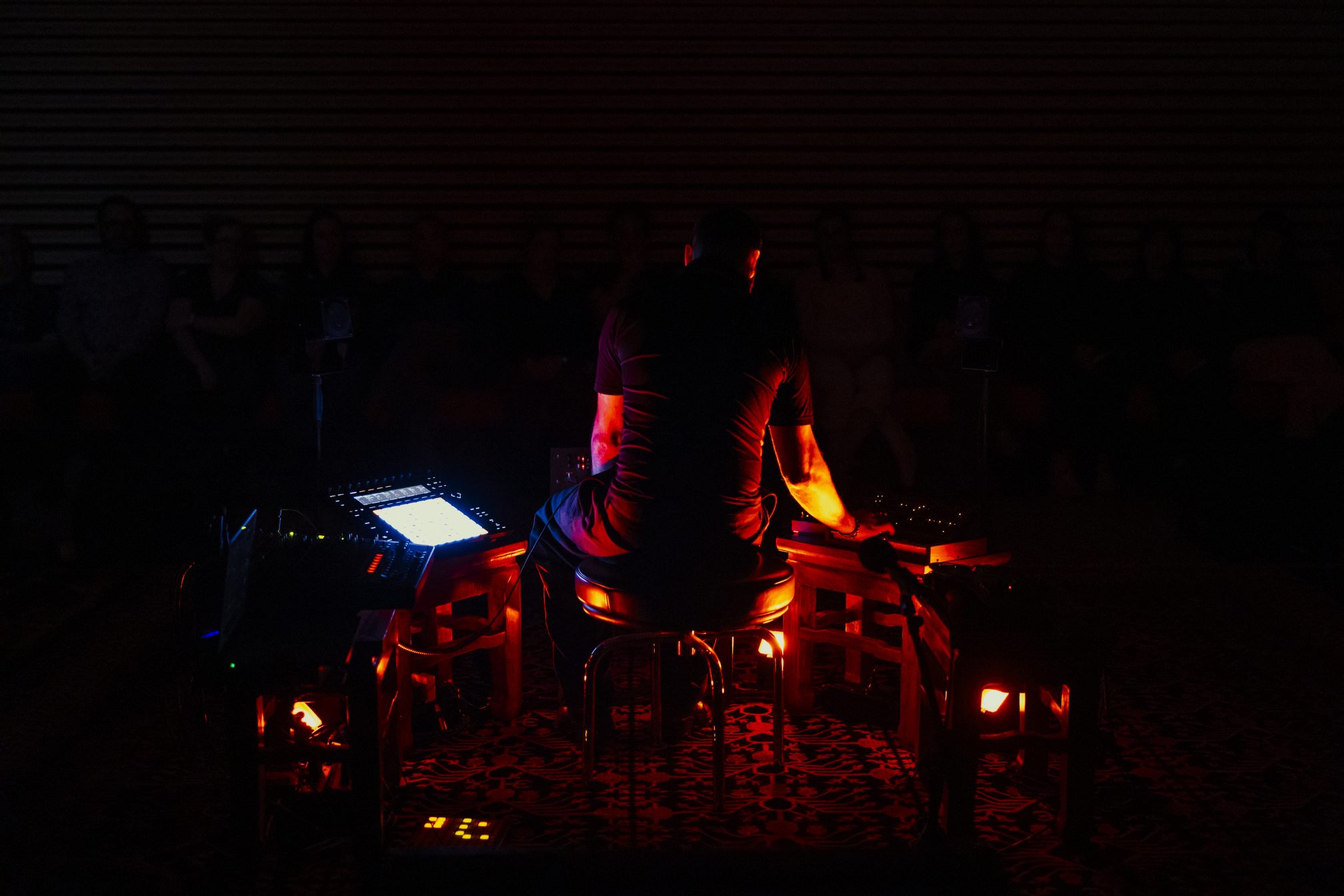
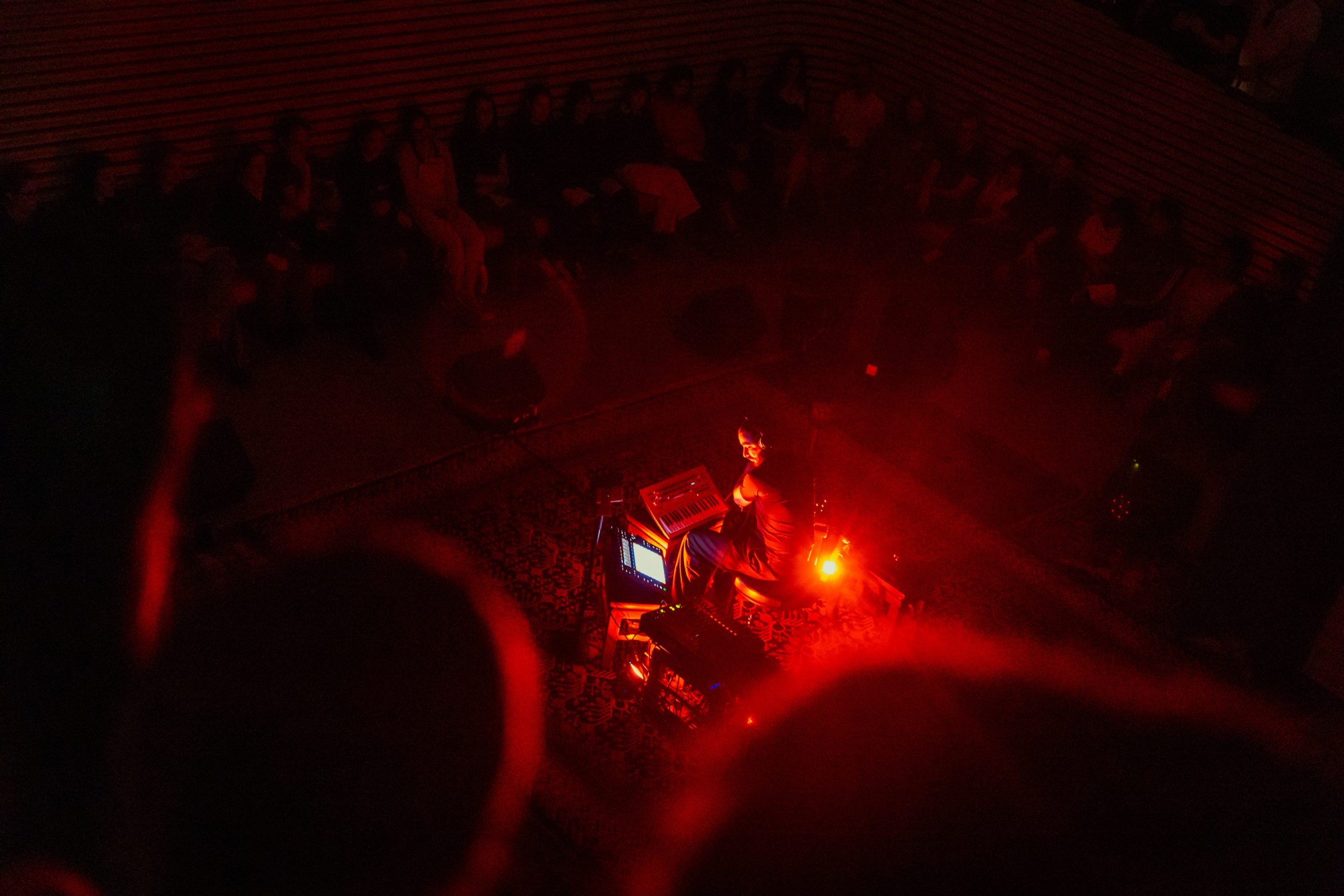
On its stage, set in the pit of a winding ramp beneath an intricately designed, sound-treated roof, Moktar takes a seat on a large red carpet, surrounded by a variety of synthesisers, drum machines, and traditional instruments. While his latest EP ‘Bank Storm’, released on Muloobinba/Newcastle-originating label Steel City Dance Discs just last month, is one of his most anticipated to date, the Phoenix show sees the artist demonstrating an entirely different side of himself, one far more deeply rooted in family, heritage, and the tradition of music itself.
‘Coptic Oscillations’, a performance which Moktar will perform (at this stage) only once, is an ode to two thousand years of Coptic hymns. The Coptic people are a Christian ethnoreligious group indigenous to Egypt, whose language is the last living stage of that of the pharaohs - still spoken today only because it survived by being sung, inside the Coptic liturgy, generation after generation.
In a programme given to guests on the evening, Moktar shared his connection to this history.
“It’s like trying to run away from your shadow - you can’t really get rid of it.”
In a Coptic church, the person who leads the singing is called a cantor. They learn hundreds of hymns by ear from the cantor before them, hold them for an entire lifetime, and then hand them over to their successor in a cycle defined by life and death. For close to two thousand years, that is how Coptic music has survived, with no complete record until much more recent history. The words, the songs and the chain of education itself were, and still very much are, entirely the point. The singer was a vessel through which the songs could flow.
On the evening at Phoenix Central Park, Moktar fulfilled his own version of this very role.
It may feel strange to focus so heavily on tradition in amongst a conversation also about club music. Dance and electronic music in 2026 sits firmly at the other end of that spectrum, where a name on a poster is a product to be bought and sold. An artist, a DJ, a singer are all expected to be a face and a feed entirely separate from the musical message they communicate.
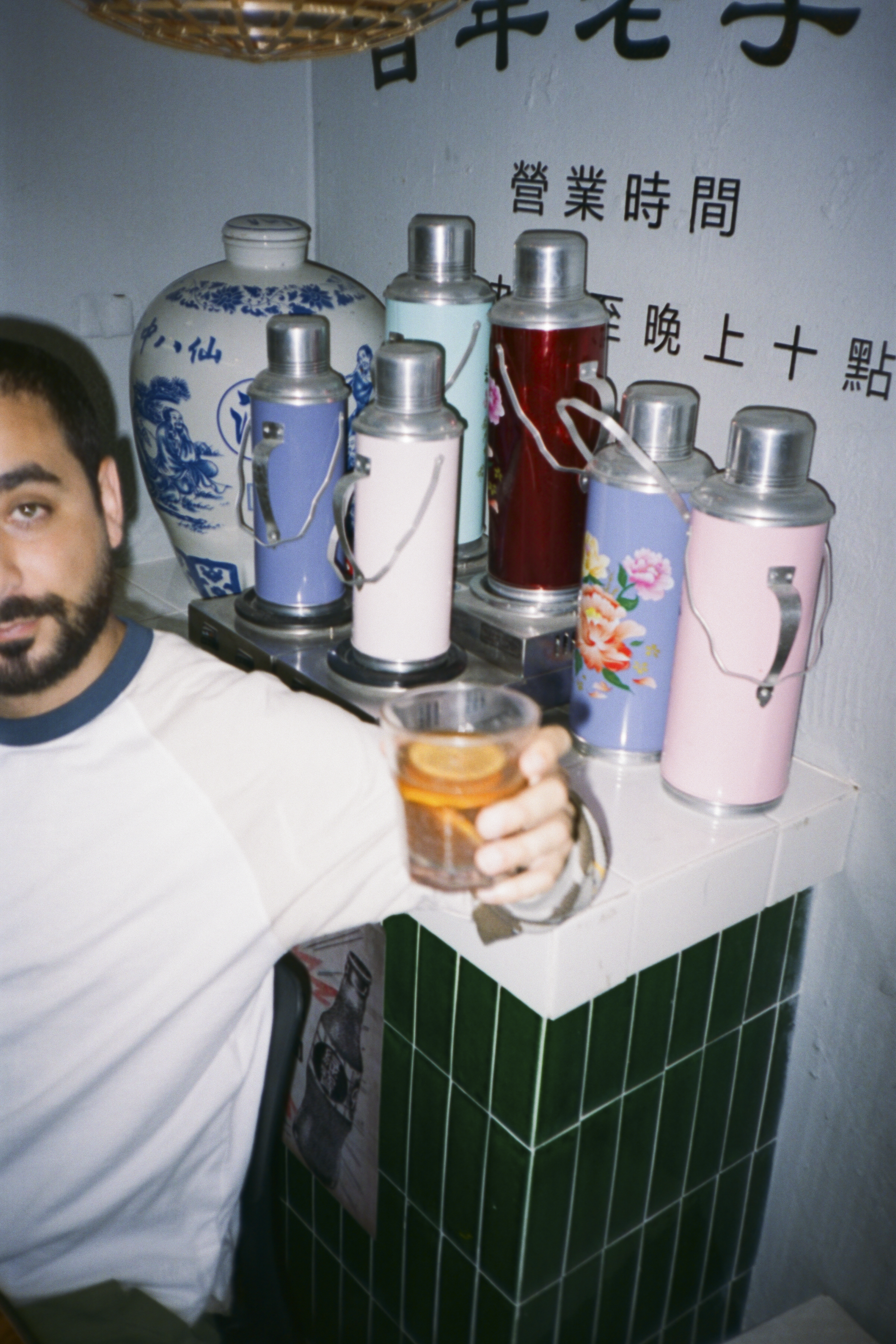
The years Moktar has spent in that ‘industry’ (a term now more relevant than ever) have taught him to navigate it incredibly well. But as we sit down to speak a few weeks before the show on the regal couches of Marrickville institution Baba’s Place, with which he’s developed a strong affinity, Moktar speaks about music the way one might imagine a cantor would. Outside of music being a showcase of the individual, it’s also a trade, something much bigger than whoever happens to be holding onto it at the time.
"There's so much, and it never really ends, and you're continuously going to keep adapting and learning," he says. "The beautiful thing about that is there are no limits to it."
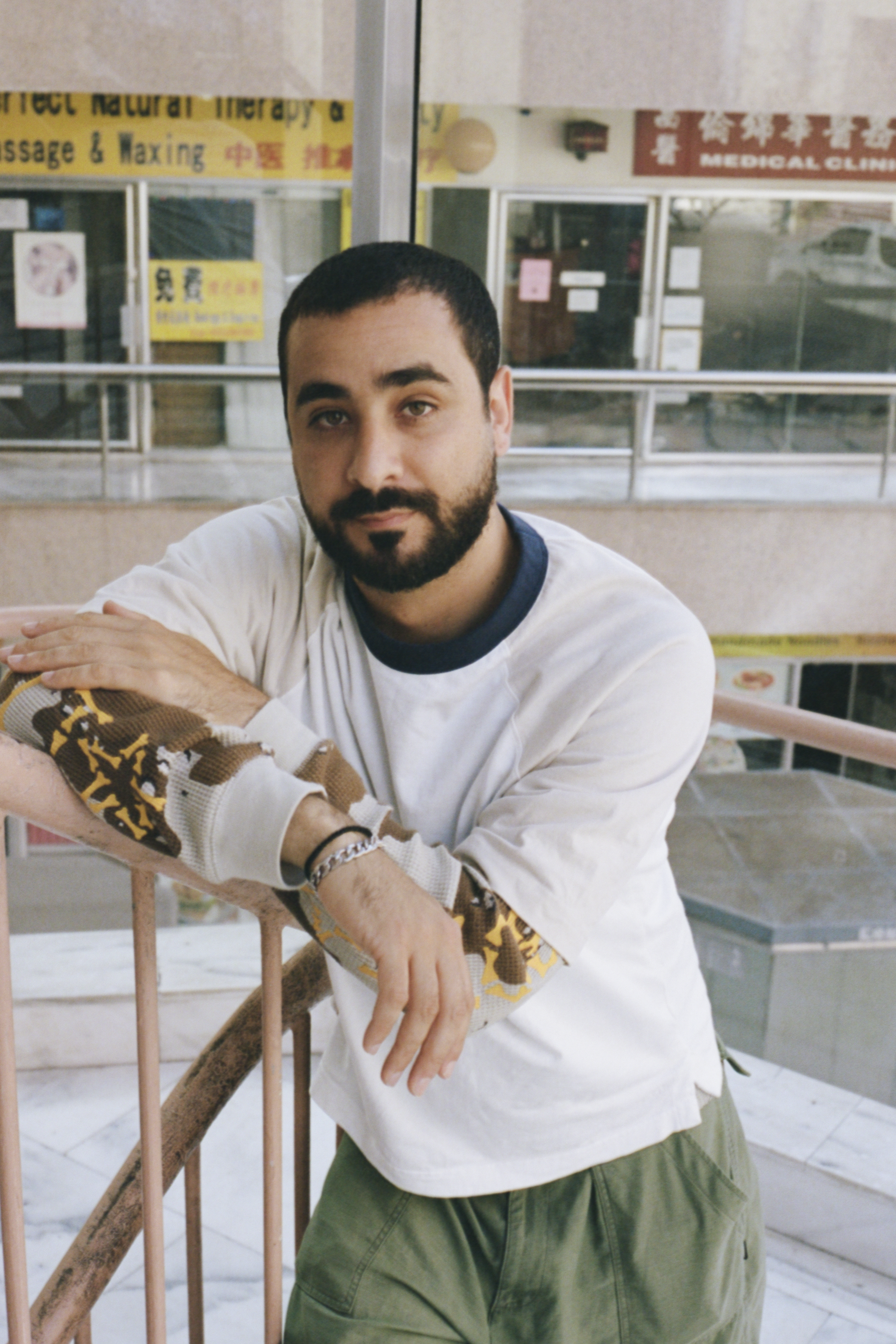
Moktar is Mixmag ANZ’s latest Cover Artist.
I first became familiar with Moktar more than a decade ago, as half of the Sydney-based duo Polographia. One of Astral People’s earliest affiliates, the duo were part of a class which included the likes of Fishing, with member Russell Fitzgibbon later becoming known for his work as Skeleten and mix engineer Doug Wright, Basenji, later known as Tseba, Rainbow Chan, Cosmo’s Midnight, Wave Racer and many more. Suffice it to say, Mok’s involvement in Australia’s music has been long and ever-evolving.
Polographia’s 2011 song ‘Sunsets’, from an EP of the same name, is an unmistakable example of early-2010s downtempo meets lo-fi dance. The duo would bring that sound, versions of which carried the careers of music journalists and bloggers of yesteryear, to venues sadly now shuttered. GoodGod Small Club, The Standard Bowl (now Kuleto’s), and more.
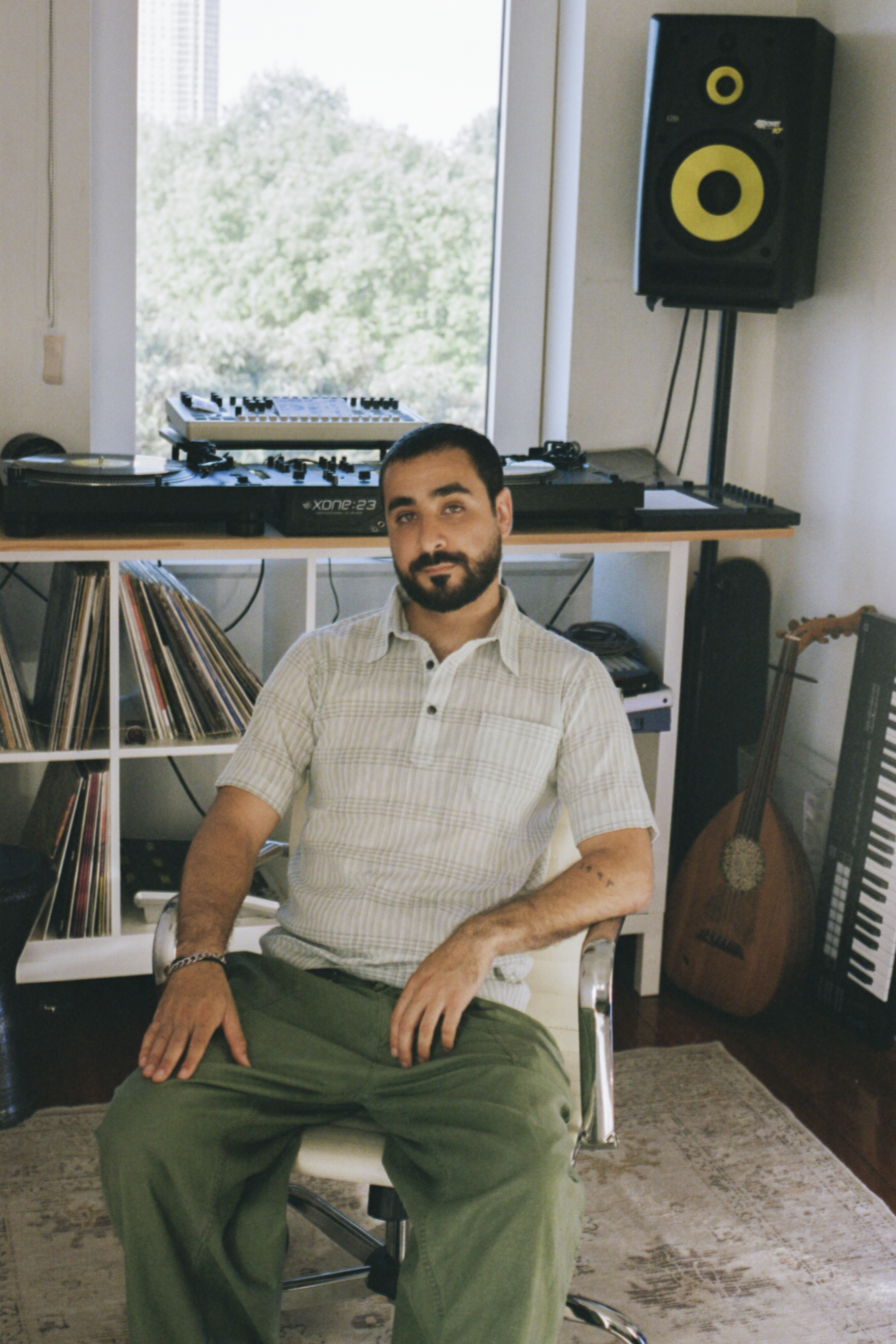
It’s a sound and musical direction that, for Moktar now known as he is, feels entirely alien. His self-titled debut EP, the relaunch of his musical work, landed on then-Mall Grab-aligned label Steel City in October 2021. It was five tracks, utilising tropes of both techno and breakbeat, built entirely around Arabic percussion.
"Me stepping into DJing was actually by accident," he says. "I had really decided to pull away from music at the time when I created the self-titled EP. That happened because I sent it to Astral People out of a love of sharing music. From there, one thing led to another and Steel City had picked it up. So that was me falling into DJing, not intentionally."
That slightly accidental jump into DJing has opened Moktar up to an entirely new world of career possibilities. In many ways, he’s considered to be one of the most exciting new Australian artists, with a laundry list of global bookings to back it up. This year, however, he’s looking to redefine what he himself gets out of that experience.
"I always felt like it was eventually going to come back to this full circle of me coming back to live," he says. "It's where I started off. I've always had a big love for DJing and always will. But to come back to live was always something I've wanted to do."
Outside of his performance at Phoenix Central Park, the artist debuted a live show in Naarm/Melbourne earlier this year and is set to bring that same format to a hometown show at Liberty Hall on Saturday, December 12. For him, the key difference appears to be his approach to craft.
"When you're curating music, you can really curate something with your personality or from your taste, and that's something special that you could always share with people," he says. "But when it gets into the producing aspect, that's a little bit more intimate, where people are actually really coming into your work and what's going on in your head at that time."
Contrasting this approach with his earliest work on Polographia feels appropriate given the move back into live performance, but his response shows there’s no room for nostalgia when the goal is improvement and articulating ideas.
“When you're first starting off, you're only learning. You don't really know much," he says. I put it to him that, comparatively, his younger self knew nothing. "In short terms, yeah."
DJ culture is an interesting place to have such a conversation, where a lack of experience can ultimately be masked by the quality of other people’s music and an audience that, ultimately, may not mind or even want to care. But for Moktar, it’s like a tradesperson talking about an apprenticeship. He describes the years in between as a chance to "experience knowledge through music", and he expects the learning to continue for as long as he’s capable.
Much like Moktar’s reverence for Coptic hymns, the people he's most easily measured against are his family. Moktar was raised in Sydney’s Sutherland Shire and was not always comfortable embracing the heritage of his Egyptian migrant parents. His father is a regarded orchestral conductor, Emad El Sharouny. In many ways, Moktar and Emad couldn’t have come from more different backgrounds, both musically and socially.
"The world my dad came from is classical music, and he's come from a whole different era of time," Moktar says. "If anything, we're more aligned at the same base, in a weird way. Even though we've had a different way of getting to that spot, we've managed to want the same ideas. And that's the idea of always continuing to learn more and experience more."
Originally, Emad was meant to join Moktar on stage at Phoenix, but had to withdraw due to unforeseen health circumstances. The choice to collaborate was as much a tribute to his father’s work as a need to help Moktar better understand the source material he was working with.
"What my dad can do, I can't do," he says. "Coming from sheet music and having that classical background, it's not for everyone. He is a very, very intelligent person, very switched on. To be a maestro on top of that, you need to be a very particular person. I got maybe 20 per cent from him, but I definitely do look up to him. Whenever I need anything, and ask him anything, he's the person to go to for that, musically."
Moktar’s respect for music as a trade is something clearly learned through reverence towards people like his father. The focus on Coptic hymns for the Phoenix performance is another outlet for this idea. In this current cultural climate, it can be easy to view respect for music in a modern sense. For electronic music, the house jams and happy hardcore of the 90s are, to many, the original generation, and paying homage to this period is something all of us do in some way or another as we reminisce about the past and its values. So too has heritage, more than ever, become a major contributor to reinterpreting that music. The articulation of Moktar’s Egyptian roots has been a major contributor to the idea of his sound across the globe, and his exploration of identity and rhythm is applauded alongside the likes of DJ PGZ, DJ Plead, Surusinghe, and others here at home.
Working with his father on music from thousands of years ago, Moktar is exploring a heritage that, in many ways, goes even further back and links even more of us. To share songs is human, and has been a crucial part of developing humanity, morality, education, emotion, and so much more.
For him, this realisation has only been possible through an openness to music of all kinds.
"When I was starting off, it was like, I'm only going to listen to a certain genre of music," he says. "With that, you're going to put yourself in a really surface-level world of only grasping one thing. The more you lean into music, you realise how connected everything is. The minute you limit your musical growth and you stick to that one thing, I find it such a shame."
It becomes clear that Moktar and his father share this position. “It’s both of us merging together,” he reflects.
The contrast between this perspective and modern DJ culture is stark. A musician’s skill is measured by how well they hold something and, in some cases, how well they pass it on. Pair that with a culture where a DJ’s worth is often counted in followers, and it’s easy to see why Moktar, who has never been comfortable with the second, sounds so at home in the first.
"It's a strange time with the DJ culture right now," he says. "It's not necessarily about how many streams you get now. It's how many likes you get on a post. You're not just curating music anymore. It's more about your personality, who you are, and your image. That's something I really struggle with, because I just want to make music. I don't want to make a post and be like, hey, come to my show, get a free ticket if you tag a friend. I can understand that's something important in the world of marketing, but I don't have it in me."
In some conversations, one might see this kind of comment as a sneer meant to create division and place the narrator in a position of learned power, but that very assumption is tied directly to the idea that, deep down, we’re trying to be a conversational protagonist. Moktar is, very clearly, not that person.
"Maybe this is just where we're going, and you can't really stop that," he continues.
In the period I’ve been in this job, it’s become increasingly important to me not to assume someone’s readiness to be politicised. Whether a First Nations artist or an Egyptian one, the world doesn’t give many of us a chance to truly take a break, and music is often an outlet for communicating ideas of love, anger, and more without needing to make a public statement.
While Moktar is someone who might rather shy away from the pressure of speaking publicly, it’s his commitment to speaking out against injustice that demonstrates that doing so is not a matter of advancing one’s own social or professional standing by making a fuss, but putting it all at risk through a love of what connects us, a love for music.
In June of last year, Moktar, Andy Garvey, Sleep D and a variety of other artists were set to perform at Carriageworks for Vivid, after a number of artists had already boycotted the event over its partnership with Airbnb. Organisers of a petition at the time, an organisation called Stop The War On Palestine, quoted Amnesty International in claiming that “any company doing business in Israel’s illegal settlements is enabling a war crime and helping to prop up Israel’s system of apartheid… War crimes are not a tourist attraction – Airbnb, Booking.com and the wider business community should immediately sever all links with Israel’s illegal occupation and ongoing annexation of Palestinian territory.” Moktar led the other organisers in announcing that they “(had) made the decision to formally cut ties with Vivid Sydney and its partner, Airbnb.”
"I'm not an activist out there. I'm a musician," he tells me. "But also, there are a lot of things you can't deny. Sometimes you can't really choose your cards, but you get to pick what's the right thing to do."
I didn’t intend to bring this point up with Moktar. We’d spoken a number of times throughout the Airbnb boycott, and I was well aware of the stress the situation had put him under. I felt a sense of relief as he shared this point with me, as if it were giving him a kind of closure. That period clearly tested him.
“Everyone had this really big push, and I felt like I was carrying it," he says. "And once it was over, it was just silence. If you are going to put a lot of effort into something you believe in, something really positive, I think you should keep sticking with it. If we can all do it together and stick to it, it's the most important thing."
Social media is an easy place to communicate a persona. Loud, popular, funny, and passionate can be easily portrayed traits when we’re media-trained, but a cause picked up for a single season has more in common with ‘tag-a-friend’ style posts than we might want to admit. Both are, ultimately, more about being seen than being heard. Moktar puts himself in that position because he feels he needs to, a commitment that lasts longer than attention does, like any good piece of music.
The idea of “performance” itself is one now often wrapped up in the idea of pretend. In Moktar’s case, his commitment to performance is more about music and less about whether it matches a personal brand.
"I just kind of stopped caring about how I should represent, and what's cool or not," he says. "Sometimes you get really in your head, and you really want to release something that's cool."
Within that very idea of representation sat a deep-seated fear about remaining true to himself and who he is, with thousands of years of history at risk of being disrespected. "I had this moment as well when I'm like, if I don't continue doing Arabic stuff, will people still like me?" he posited. "And I just was like, you know what, I love music, and yes, I am Egyptian. I just love music purely for music, and I shouldn't have any limitations to that."
For Moktar, that immediate future means making more music than ever before. Whether ‘Coptic Oscillations’, an occasional rework of a scene from Akira, dub-inspired hip hop, or much more, Moktar is an artist at a point where there’s little more to gain than the exposure to more art.
"I really just want people to see my name and just be like, whatever is about to happen, I'm excited for it," he says. "I just want people to be like, I don't know what's going to happen, but I trust him, and I know I'm going to have fun."
Trust is ultimately the gift that a Coptic congregation gives a cantor. Nobody in the pews needs that person to be a star; they just need to know that they’ll deliver what few of them can. Moktar is asking an audience for the same kind of trust. A hymn has never needed to be kept anywhere except in a person.
"I think art is always going to be in the centre of it.”
-
Moktar plays live at Liberty Hall, Moore Park, on Saturday, December 12.
-
Jack Colquhoun is Mixmag ANZ's Managing Editor, find him on Instagram.
