


 SCENE REPORTS
Beyond the fiesta: how Latin American artists became part of Australian club culture
Writer Hugo Hodge explores the impact of diasporic and locally born Latin American artists, speaking to a handful of artists in the community to hear about life and music in the emergent scene.
Gone are the days when the Johnston Street Fiesta was Naarm/Melbourne’s yearly taste of Latin American music and culture.
The nearly 50-year-old festival remains an iconic date on the city’s cultural calendar and an important showcase of the city’s Hispanic and Latin community, but now, a new wave of migration has made contemporary Latin American music a regular fixture on Naarm’s club and festival circuit.
Mainstream artists like Bad Bunny and Rosalía are popularising Spanish-language music worldwide, but in Australia’s electronic music scene, Latin American artists—both overseas-born and homegrown—are also doing heavy lifting on a local level.
These days you’re more likely to hear genres like reggaeton and baile funk at Australian clubs and festivals, with much of it played by Latin American DJs.
Victoria's Latin American population grew significantly between 2011 and 2020, according to government data, with most people coming from Colombia, Chile, Argentina, and Brazil.
Some 47,000 Latinos now live in the state, with 86 percent born overseas. The number of Latin Americans moving to Victoria on student visas also increased.
Among the newcomers are DJs, producers and promoters who have introduced their rich and diverse music cultures to local audiences—often with exuberant results.
Mixmag ANZ spoke to a handful of artists in the community to hear about life and music in the emergent scene.
LINA ZABALETA, COLOMBIA
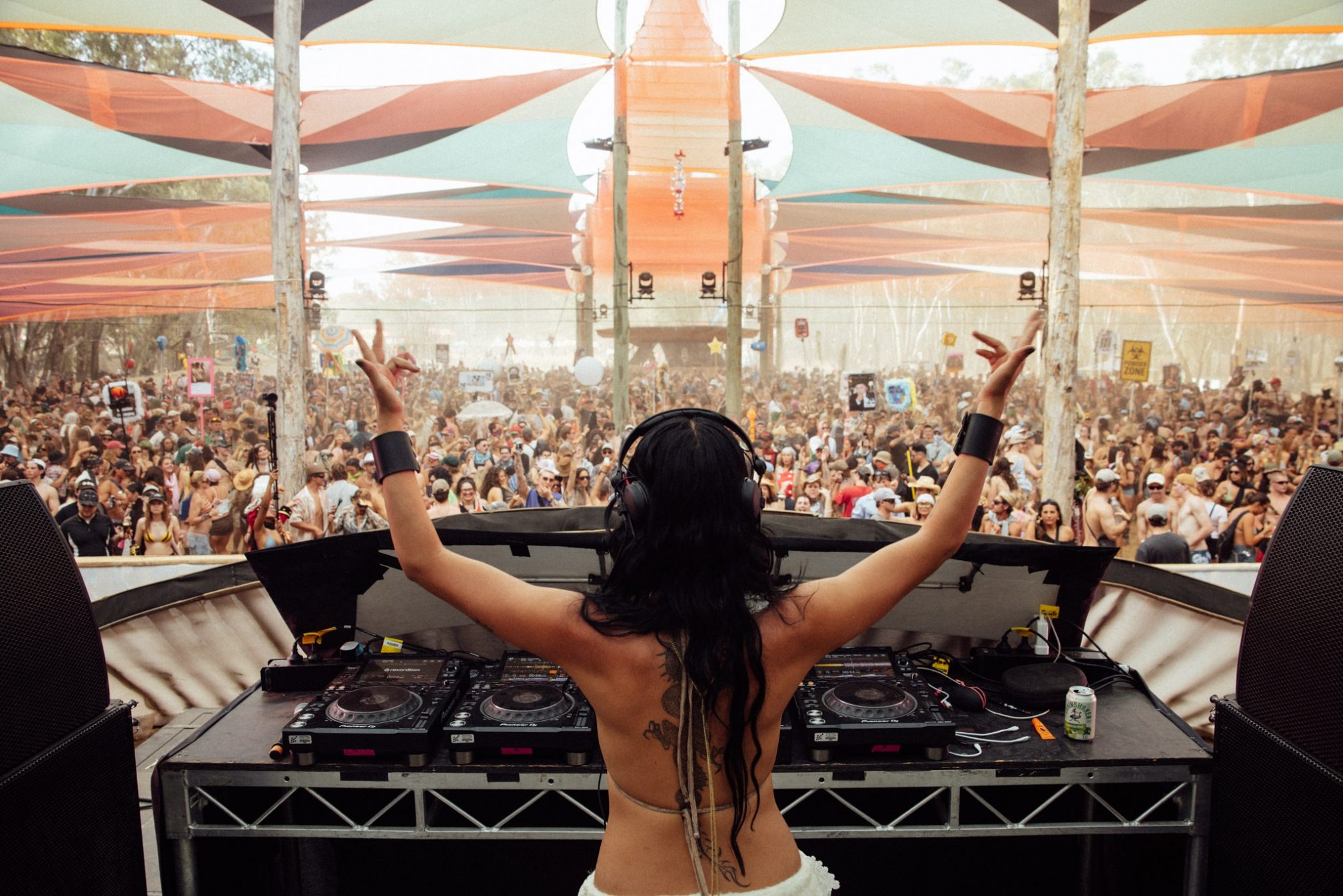
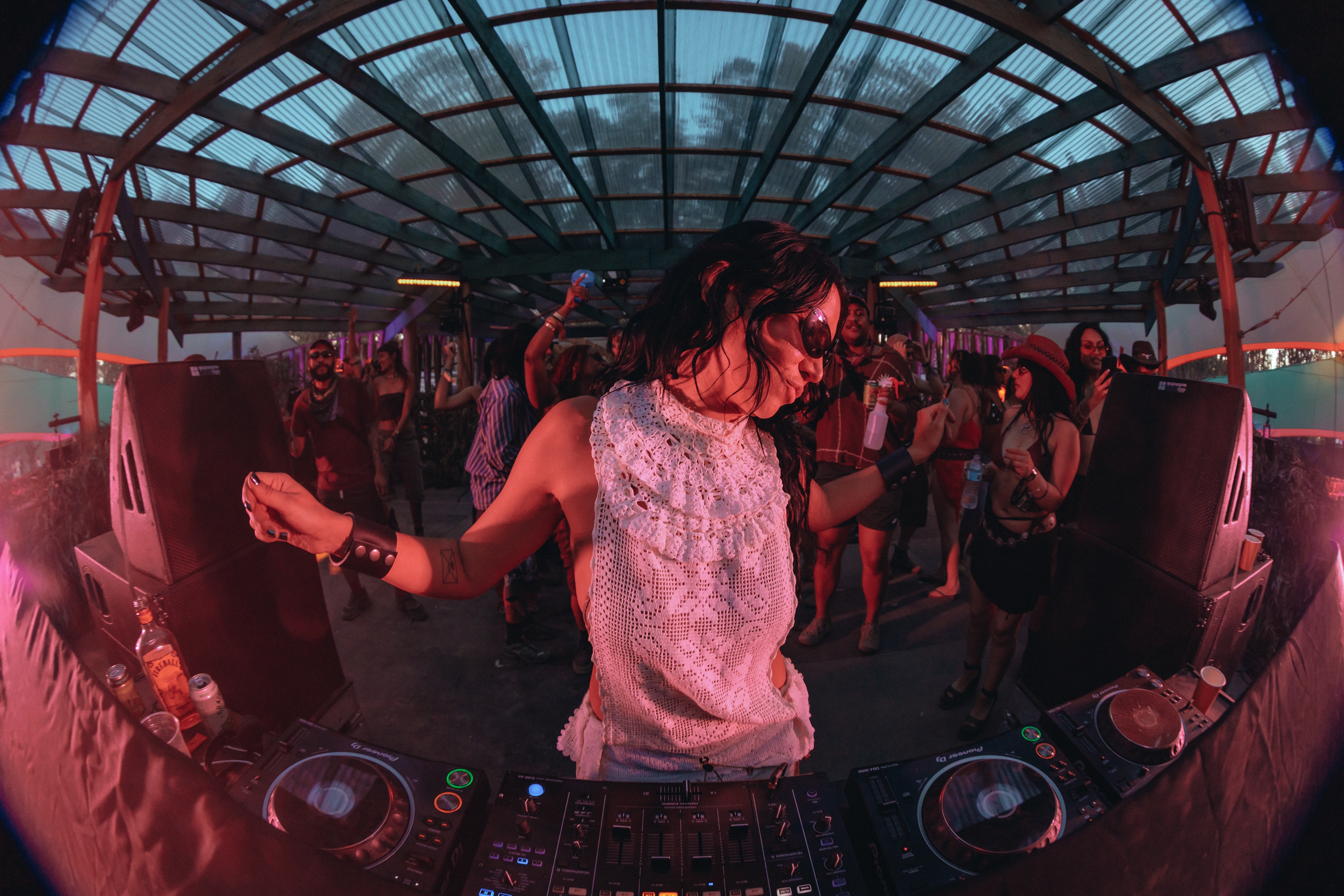
Few names are as synonymous with Australia’s Latin American club scene as Lina Zabaleta, founder of Chuleo Club—a party and platform celebrating contemporary Latinx music and artists.
“Latin American artists are often expected to perform a very recognisable or stereotypical version of our culture,” Lina says.
One of Chuleo Club’s core objectives is platforming contemporary Latinx American music without reducing it to one genre or idea of what Latin music should sound like, Lina says.
“We come from different countries, generations, migration experiences and creative disciplines,” Lina says.
“There isn’t one single Latam sound or identity, and that is what makes the community so exciting.”
The Colombian DJ founded the party in March 2024 and has taken the event to some of Australia’s leading electronic music venues and festivals, including Miscellania, Club 77, Pitch Music and Arts Festival, Strawberry Fields and Hopkins Creek.
Chuleo Club has hosted several internationally renowned figures in the Latinx music scene, including DJ Rosa Pistola (Mexico), BADSISTA (Brazil), and Manuaka Honey (US), introducing them to Australian audiences.
“You can build a life in Australia while remaining deeply connected to where you come from,” says Lina, who moved to Melbourne from Bogotá in 2012.
After initially moving to study English and explore new opportunities, Lina wasn’t actively pursuing a career in music but says she developed one organically as a way to reconnect with her Colombian culture.
“Australia gave me the space to discover different sides of myself, but it also made me realise how important my Colombian and Latin American identity was to me,” Lina says.
“Over time, music became one of the main ways I built a life, a community and a sense of belonging here.”
Lina says she didn’t see herself represented in the Australian electronic music scene at first.
One of the biggest lessons she learned in those early years was not to rush to fit in with the crowd.
“There were also moments when I felt I had to choose between adapting to the existing scene and staying connected to who I was,” Lina says.
“I had to learn to trust that not fitting neatly into an existing category could actually become a strength.”
Lina says Colombia continues to shape her instincts and the emotional foundation of her work while her new city has given her the freedom to experiment.
Although the Melbourne music scene felt quite difficult to access at first, Lina says she later discovered that many smaller communities were doing important work outside the most visible parts of the industry.
“Diversity can sometimes be treated as a trend or placed into a separate category, rather than being understood as a central part of Australian culture,” Lina says.
“I think Latam artists are helping Australian music become more connected to the rest of the world, while also changing what Australian identity can look and sound like.”
Lina says those contributions include Latin American rhythms, languages and histories, spanning creative mediums from dance to art.
“We create new connections between scenes and bring perspectives shaped by migration, memory, resistance, joy and cultural exchange,” she says.
Part of Chuleo Club’s success has been creating a place for Latin American artists to connect while also bringing those artists into conversation with the wider Australian electronic music scene, Lina says.
“It gives artists a space where they don’t have to explain or simplify themselves. They can be playful, experimental, sensual, political, underground or completely unexpected.”
She doesn’t necessarily think Chuleo Club has developed its own unique sound, but it has created “a particular energy and way of curating”, bringing together diverse Latin American sounds into "conversation with the Australian club environment”.
Lina says she doesn’t want the Latam community to be pigeonholded in only conversations about diversity or Latin American stages at events.
“We should be recognised as part of the broader Australian music industry and included in its main stages, festivals, media and conversations,” she says.
LAY DOWN THE GROOVE, COLOMBIA
A music label platforming house and techno artists from underground scenes across South America now calls Naarm home.
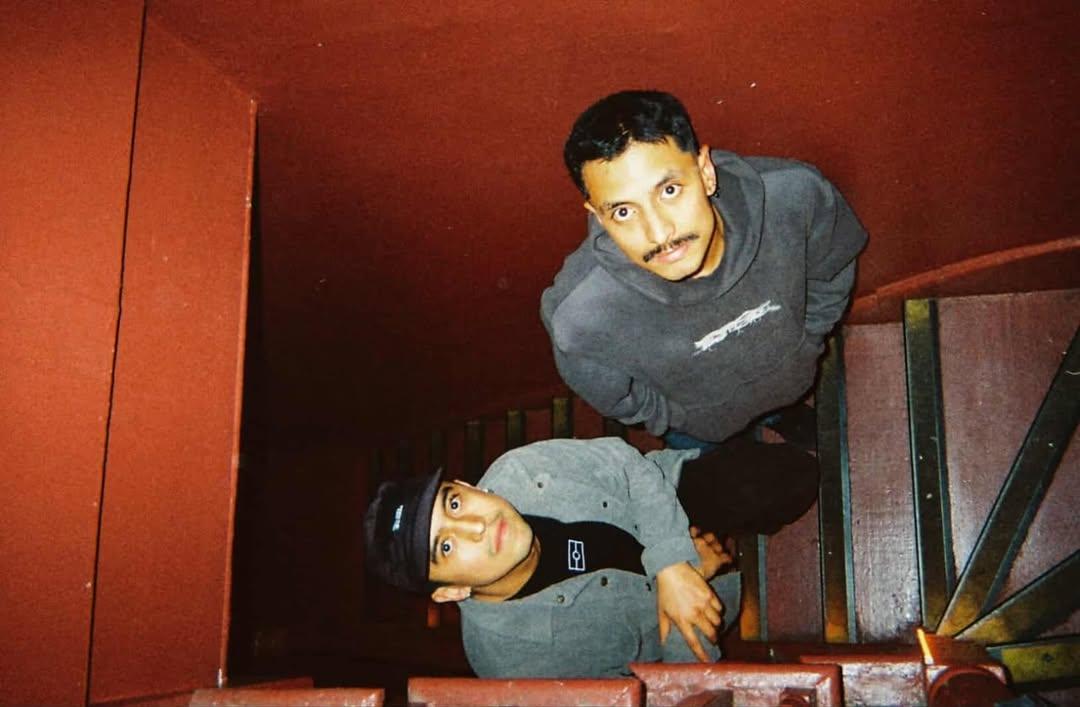
Mateo Torres and Juan Rodriguez are DJs and producers from Colombia who release music on their label Lay Down The Groove, founded back home in 2016.
“Our sound sits mostly within house music with touches of techno,” Juan says. “I think our music texture is raw and very organic.”
The cousins left Bogotá in search of new opportunities abroad, arriving in Australia in August 2018.
Initially, they didn’t plan on staying for long, but the favourable visa conditions in Australia provided an opportunity to build a new life.
“Going to a country where we were able to work legally was a game changer for us,” Mateo says.
“Unfortunately, our Colombian passports only get us to a few places in the world where we can study or work—Australia was one of those places.”
Since arriving in Australia, the duo have been busy with six label releases including their own productions which include an EP, 'Pursuit of Sound, in 2021 and an album, ChordPlay, in 2025, both released on vinyl and digitally.
“We usually start with a basic rhythm pattern and just let ideas flow from there, building the chord progressions, synth leads and other elements around it,” Juan says.
The pair have played at Crown Ruler New Year’s Day parties at the Northcote Theatre, held a residency at Rooftop Bar and thrown parties at venues like Milney’s upstairs.
Mateo and Juan’s creative output has flourished in recent years, but their early years in Melbourne weren't exactly conducive to making music.
“We were busy and tired as hell from the moment we stepped in Australia,” Meteo says.
The pair juggled full-time study with part-time work, at times struggling with financial stability, all while learning a new language.
“English was another challenge; getting used to the accent and getting confident in speaking a foreign language is not easy, and there are no shortcuts; all it takes is time,” Mateo says.
Once the cousins were properly on their feet, they started searching for music opportunities.
“We didn’t struggle with getting gigs actually; everyone was so open and keen to give us a chance,” Mateo says.
Some of those early opportunities came from other Latin Americans.
“We were welcomed into this group of Colombian DJs who were playing a few gigs monthly in Melbourne, and we also met a few Uruguayan and Argentinean friends along the way who we shared music with and grew musically together,” Mateo says.
On any given weekend in Melbourne, there are events spanning music, dance and art run by members of the Latam community and it's growing fast, Mateo says.
“It’s a very welcoming and diverse community which we are very proud to be part of,” he says.
Juan says that Latam artists have brought a lot of new influences to the Australian music scene, and the influences extend beyond the style of music.
“There are new rhythms, new energies and a strong party culture that's become part of Australian festivals and lineups,” he says. “Genres like salsa, reggaeton, and Latin-infused electronic music are just part of the scene now.”
Back home in Colombia, Jaun says the scene has a narrower focus on traditional genres like cumbia and electronic music like techno.
“Melbourne by comparison feels more diverse and open to new artists, probably because there are just more venues putting on music, and the scene here seems to lean more into disco alongside house and techno,” he says.
MAZ, BRAZIL
Not all the artists making waves on the Australian Latin underground scene were born overseas.
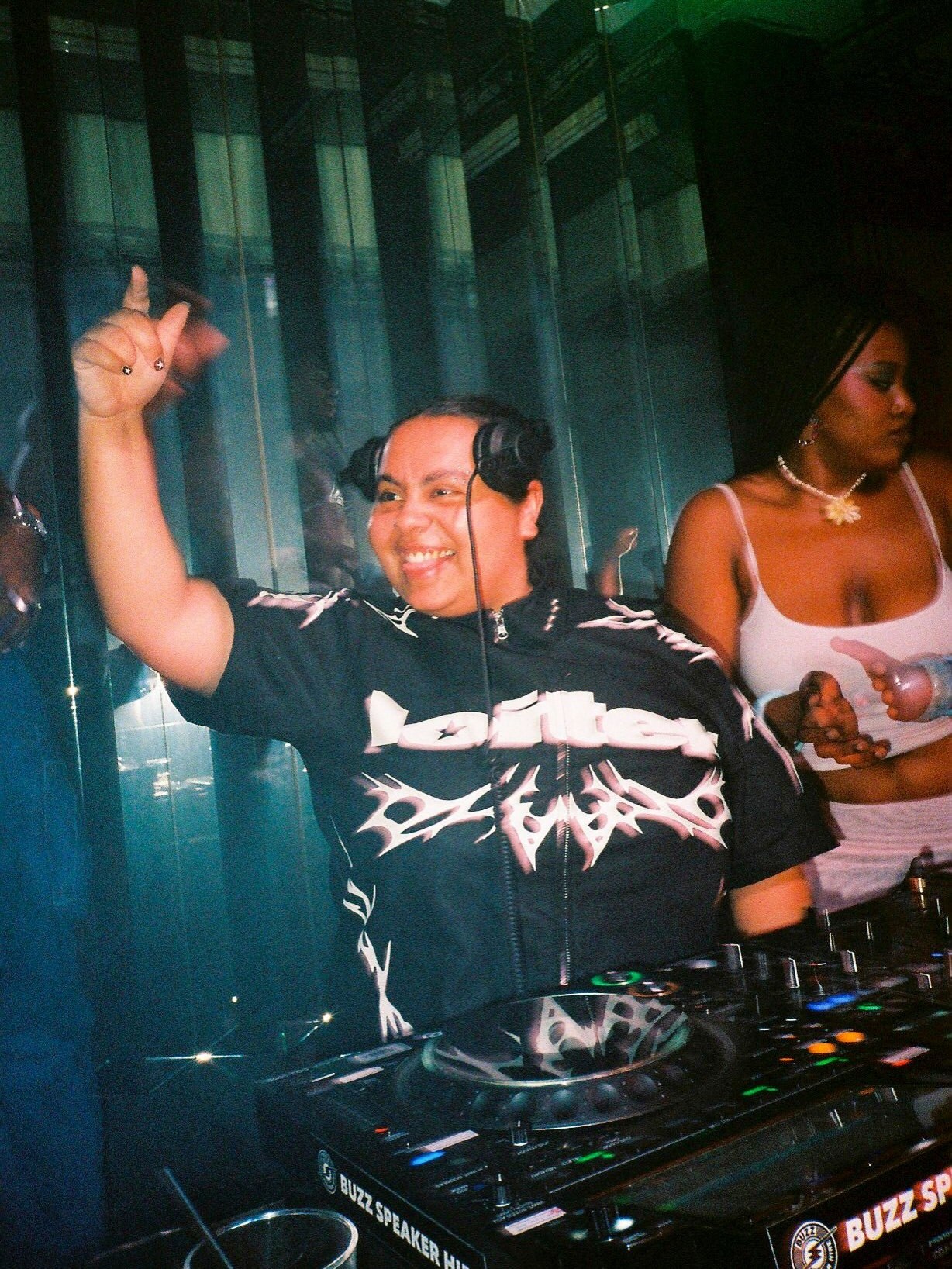
Mariana Messias Campos, known as MAZ, is a Gadigal Land-based DJ born in Australia to Brazilian parents.
She agrees there has been a recent embrace of Latin American culture previously unseen in Australia’s electronic music landscape.
“Over time, more immigration to this country has allowed for people to create here and build a healthy music ecosystem,” Mariana says.
But when Mariana was a teenager she felt the need to gravitate closer to her Brazilian culture.
“I realised baile funk would become the bridge that connected me to my culture in a much deeper, more meaningful way.”
It was that desire that saw Mariana pursue a career as a DJ and emerge as a key face of the Brazilian funk scene through INBRAZA BAILE—a collective championing baile funk.
MAZ has played at Chuleo Club supporting BADSISTA, as well as Dark Mofo, Miscellania and a memorable b2b with C.FIRM at Heaps Gay’s event Foul Play in April.
“When I was younger there wasn't an underground that I saw myself in,” Mariana says.
When Brazilian-born Luara Brandao founded INBRAZA in 2022, Mariana saw an opportunity to join the movement to create music spaces for cultural significance, not just the party.
READ: INBRAZA Collective is Baile Funk without dilution
“I will always express my gratitude to Lua; she provided me with a platform to connect with my culture through INBRAZA,” Mariana says.
“I feel like the biggest impact we have made as a collective is asserting ourselves as a platform to educate people on Afro-diasporic music from South America and beyond.”
INBRAZA is a space to hear a range of sub genres of Brazilian funk like Funk Capixaba, Funk Carioca, Funkhall, says Mariana, whose expansive DJ sets focus on creating an emotional exchange with the audience.
“I feel like when the audience first comes into contact with the genres, they don’t know what to do with it, but when they put their trust in the DJ, audiences have a generally positive response to it,” Mariana says.
“When you put our people at the forefront to play our sounds, it makes an impact, it creates memorable sets because it comes from the soul and it becomes more than putting tracks together— it’s an invitation to our culture.”
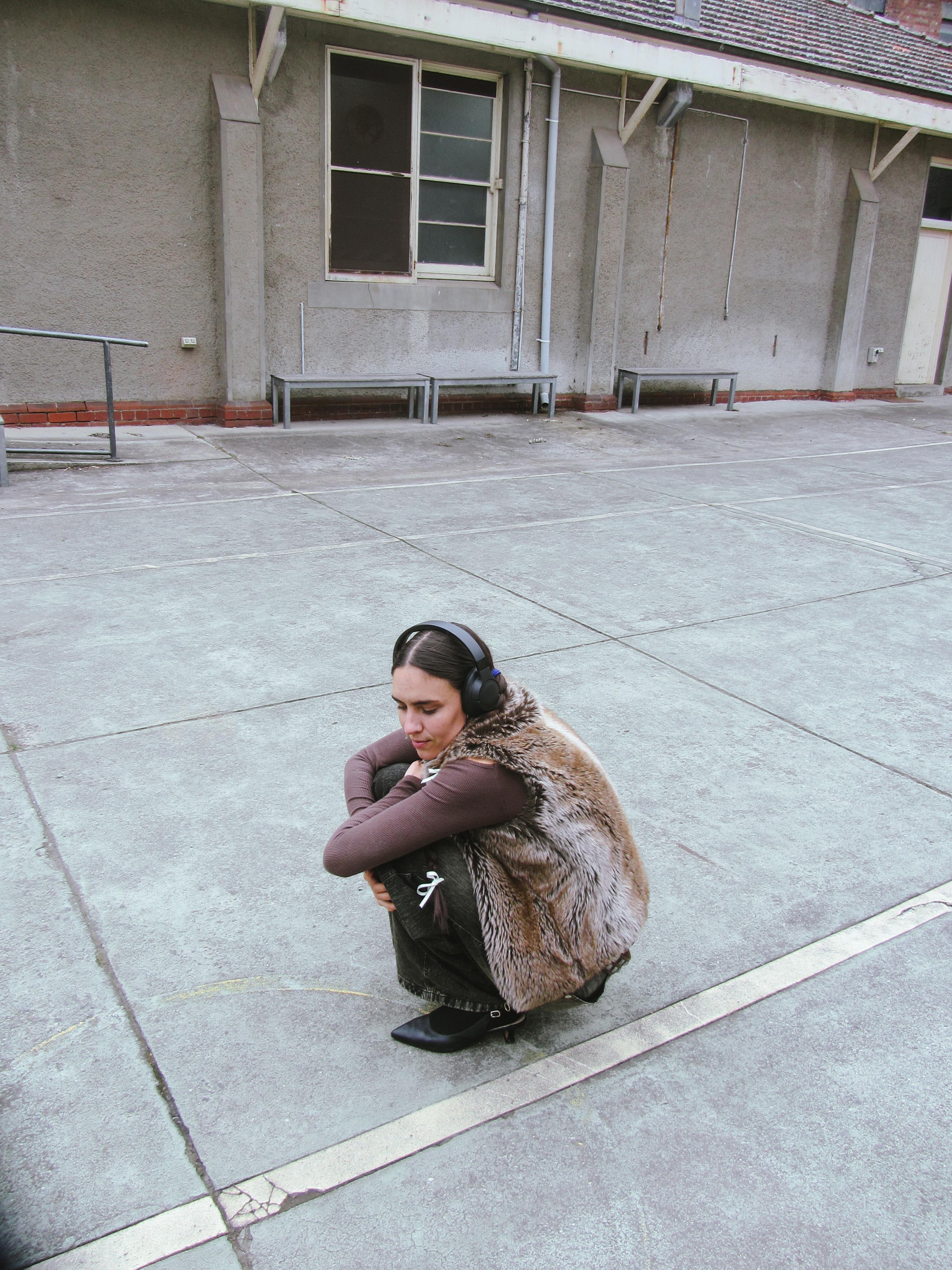
TINA DISCO, ARGENTINA
One of Melbourne’s most exciting producers hails from Buenos Aires, but was always told she belonged in Melbourne.
Albertina Pinto is an Argentinian DJ and producer, better known as Tina Disco, who runs a party called BBPMS.
She closed the Pitch Black stage at the 2026 edition of the Pitch Music & Arts festival, released her seven track Sol EP in 2025 and played alongside the Chuleo Club crew at Hopkins Creek the same year.
“I’m very influenced by house, trance and bass music, as well as my Latin American roots and the rhythms I grew up with,” Albertina says.
“I’m inspired by creating an immersive experience, mixing hypnotic sounds and music that makes you feel sexy and emotional in moments.”
Albertina moved to Australia in 2022 with her girlfriend looking to travel and experience something new after stints living in Barcelona and California.
“I met a bunch of friends in California who kept telling me I belonged in Melbourne—they literally wouldn't stop saying it,” she said.
At that point, Albertina says she knew nothing about Melbourne and had even less of an idea about the music opportunities that would come her way.
“Looking back, it's incredible how much has happened and how much I've grown over these four years,” she says.
Albertina says the biggest challenge with moving to Australia was learning how to express herself when her English wasn't very good.
“I think music played a huge role in helping me connect with Naarm and with the people around me,” Albertina says.
She says those early connections were with other Latin American artists such as Palazzo, Feli Tocco and Lina Zabaleta.
Albertina says the clubbing scene in Australia is a different experience to back home, where clubs are bigger and open later.
“It's much more hectic in Buenos Aires, but here it's a bit cuter, and I love that,” she says.
But her favourite thing about the Australian scene are the bush doofs.
“I think they're one of the best things about the electronic music scene here, and they're something I haven't experienced anywhere else in the world,” she says.
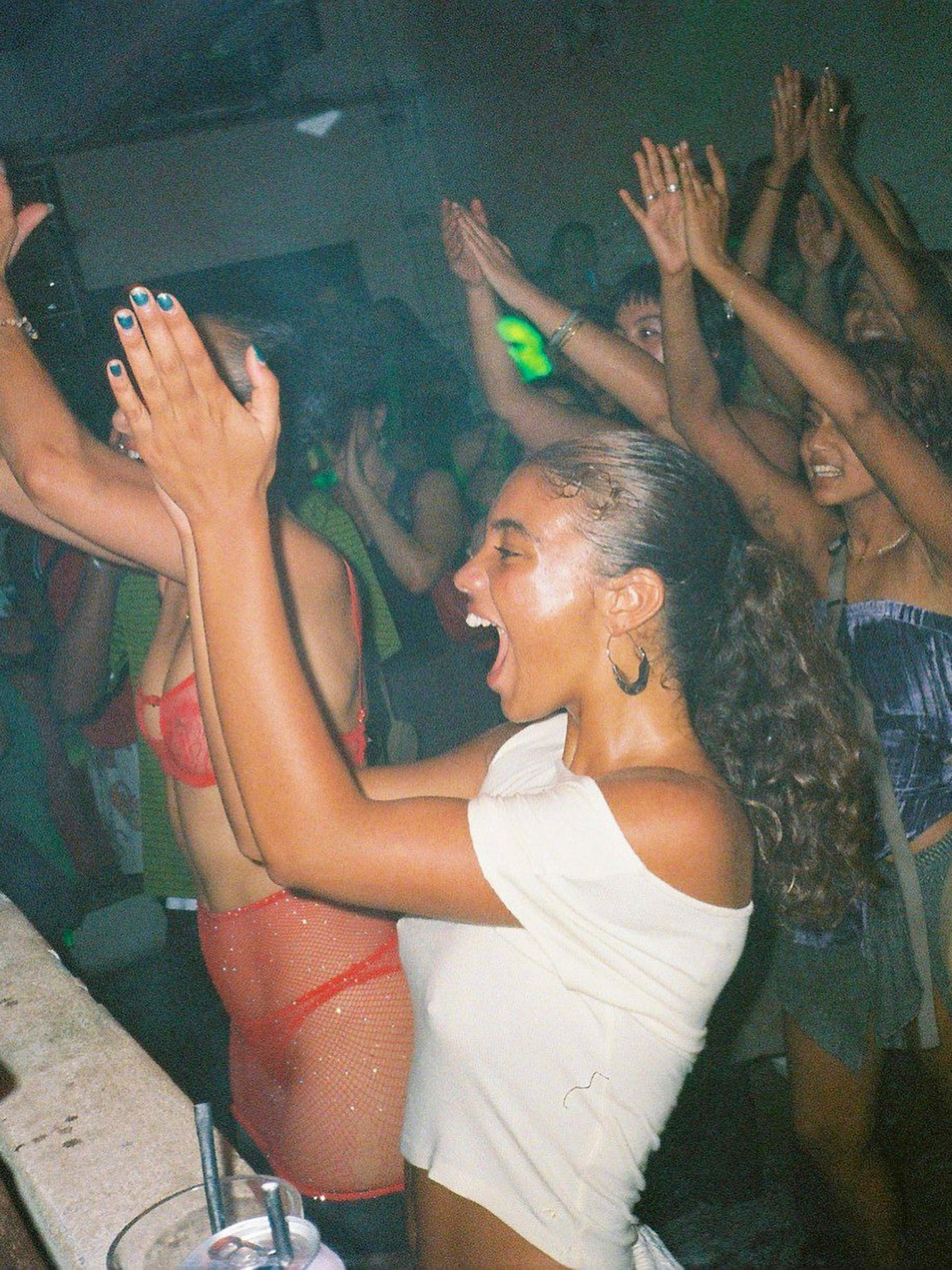
This article features only a small sample of the exciting and diverse Latin American artists making a splash on the country’s electronic music scene.
As the artists themselves point out, there is no one-size-fits-all label to describe the incredible breadth of identity and music stemming from these communities.
Australian audiences and promoters have embraced Latin American artists and music like never before, forging an indelible connection between continents and changing the face of electronic music in the country.
It’s emblematic of some of the Australian scene’s best qualities: an adventurousness and dynamism not always found in other scenes where electronic music orthodoxy goes more frequently unchallenged.
It’s a sign that the Naarm and Gadigal Land’s scenes have matured enough to stand alongside Northern Hemisphere dance music capitals as destinations where international talent can arrive and thrive.
-
-
Hugo Hodge is a freelance writer, originating from Naarm/Melbourne and recently acting as a reporter in the Asia-Pacific, but now enjoying a sabbatical in Mexico City. Find him on Instagram & X.
