


 FEATURES
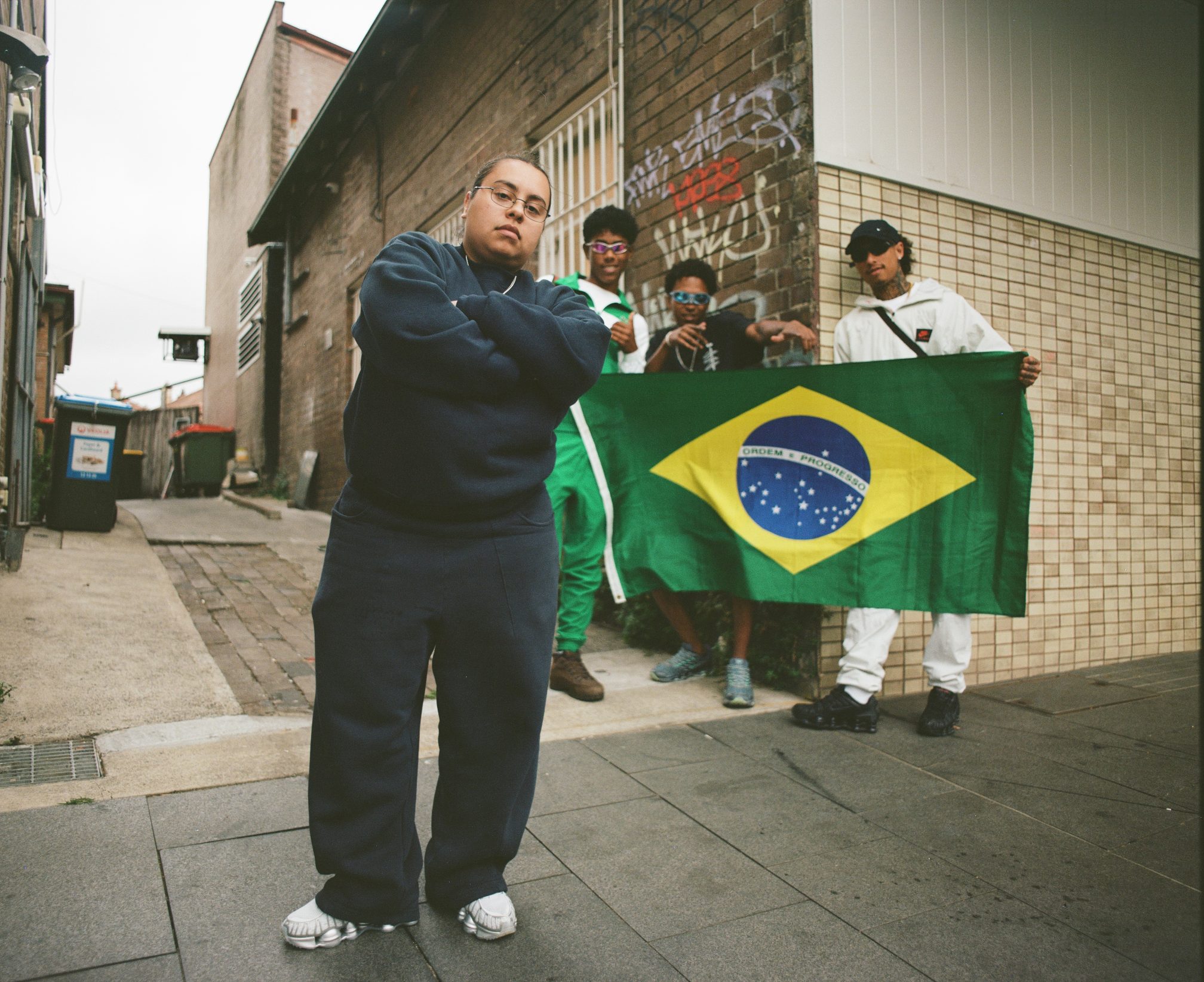
INBRAZA Collective is Baile Funk without dilution
The Brazil-turned Naarm/Melbourne-born collective is spearheading a movement that's as political as it is animated.
The globalisation of dance music culture understandably comes with its fair share of trepidation. Globalisation of anything so often means the dilution of culture, rather than its strengthening through more avenues of exploration.
For Baile Funk, a sound originating in the favelas of Rio de Janeiro, much of its ability to resist this kind of dilution is the speed at which it can adapt. In many ways, the genre is its own subcategory of other genres, with modern influences from bass music, hip hop, and electro.
That kind of variety has meant its explosion across the globe, with fans of all kinds of music finding something to love in its varied output.
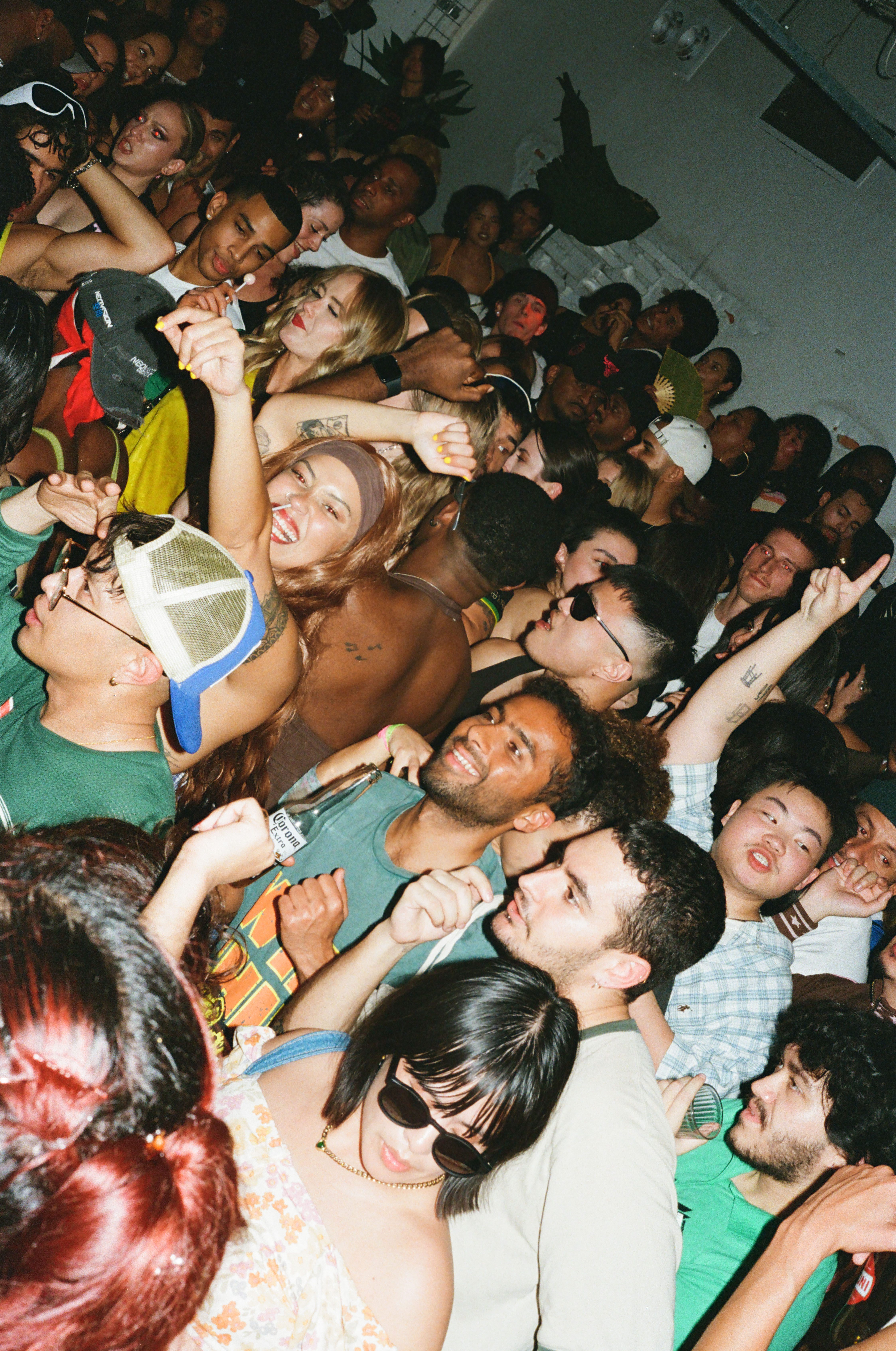
Approximately 13,250 kilometres from Rio de Janeiro, Naarm/Melbourne-based self-funded cultural collective INBRAZA Baile entered into this landscape in 2022.
In just three years, INBRAZA has not only thrown its fair share of sell-out events, run a highly successful monthly radio show and educated non-Brazilians on the history behind the genre, but it's done so while undergoing a total reset, having lost touch with much of its community after a classically Meta lockout of its social profiles.
At the cusp of its fourth year, Mixmag ANZ spoke with INBRAZA’s founder and creative director, Luara Brandao, about the brand as a symbol of community and its goals for the foreseeable future.
Q: Lua, thanks so much for your time. Looking back on the start of INBRAZA, was there one particular moment or feeling that kicked it off in 2022?
LUA: Thanks for having me.
Yes. It actually started with an interview I did with DJ Marlboro, who’s considered the Godfather of Baile Funk. After we wrapped, he told me something that completely shifted my perspective. He said he always knew Baile Funk would become a global currency, that he did his part by taking it from Rio to the whole of Brazil, and that now it’s on our generation to take it to the world. That was the moment I realised I had a responsibility bigger than myself, and INBRAZA was born from that feeling.
Q: Several years into its life, how does it feel to look back on what you’ve created?
LUA: It feels right. So right. Sometimes it feels like INBRAZA was always meant to exist. We grew together.
Q: I understand that earlier this year, INBRAZA lost access to a bunch of its social accounts. How much of an impact do you think that made on the brand?
LUA: Look, if you asked me this a year ago, I would’ve given you a completely different answer, and I did, in old interviews. What used to feel like a weakness, we turned into our strength. The only real impact today is when we’re expanding into new cities or countries. I’d love to explore more places, but how do we promote properly if our main marketing channel is restricted? That’s the challenge.
Q: What sort of lesson did that forced reset teach you about ‘connection’ in often very ephemeral musical spaces?
LUA: Of course, having our account restricted doesn’t make things easier. But because of that, we built a solid, deeply rooted foundation in community. It’s real. It’s authentic. INBRAZA is ours, and we don’t rely on anyone but the people who believe in what we do.
Every show is sold out, even with a restricted account. That’s our community showing up. That’s connection.
Q: As pioneers bringing Baile Funk to this region, you're translating a genre born in particular circumstances, in the favelas of Rio and São Paulo. How do you honour that context while bringing it to Australian dance floors?
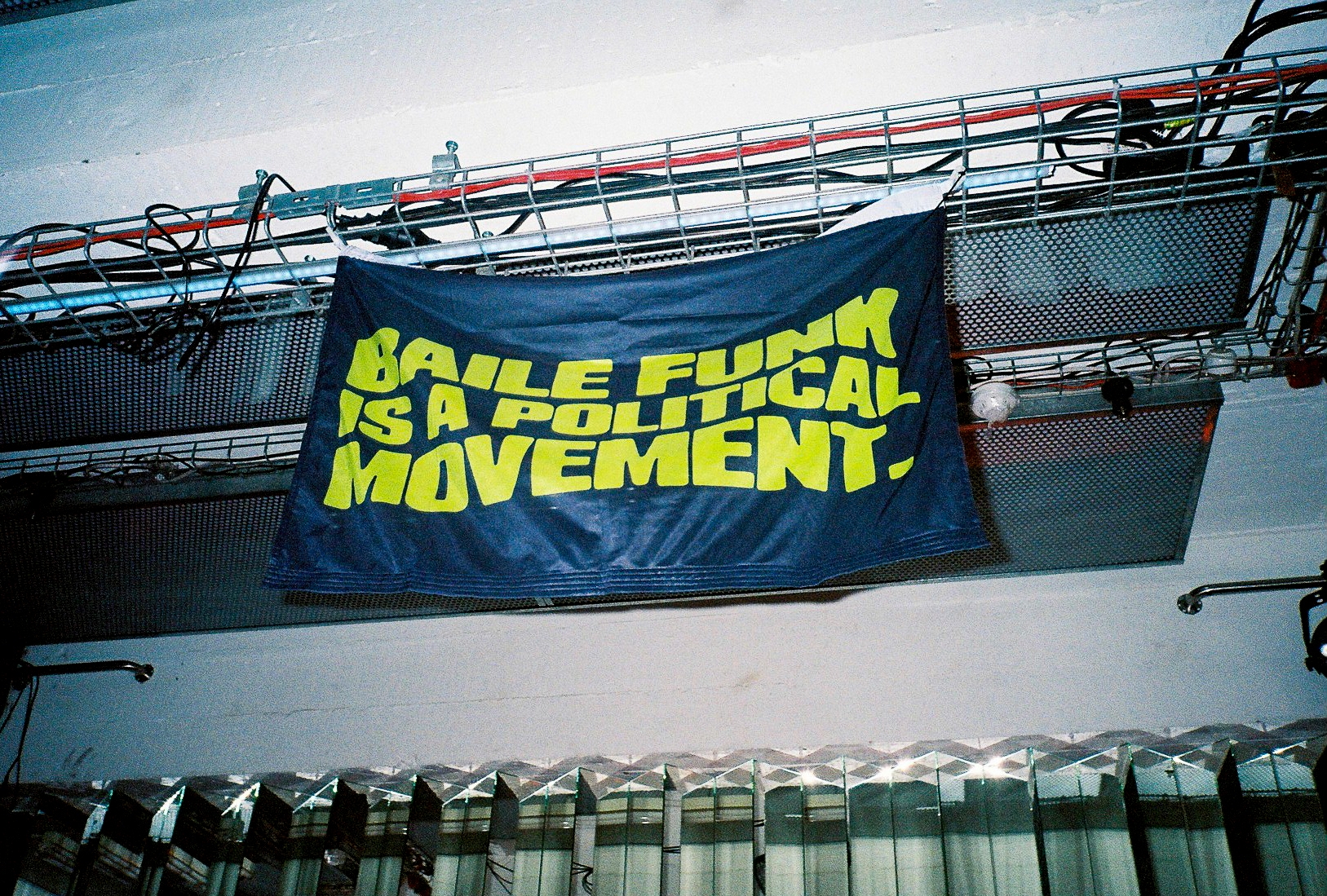
LUA: I wouldn’t say we’re the pioneers of Baile Funk here… DJs like Luny, for example, were playing it here years ago. What we are is the first platform showcasing Funk the way we do: not just as a music genre, but as a political tool. It’s not only about playing tracks, but it’s about educating. It’s about bringing Funk as a cultural movement.
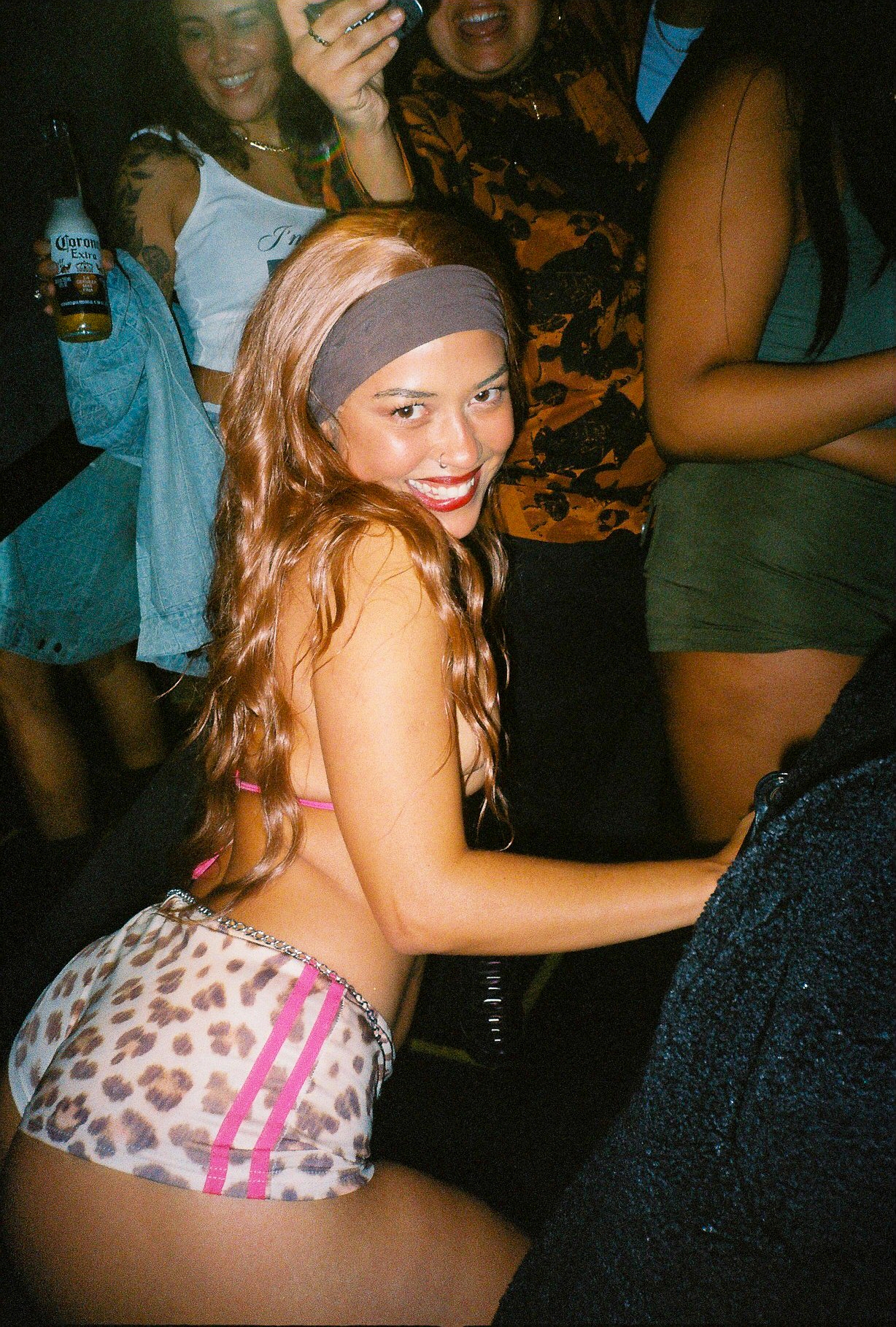
We honour the context by staying true to who we are. I live that culture. I am that culture. My existence as a loud, proud funkeira already honours the roots of Baile Funk. And that’s what we want to see, our people free to express their art, free to listen and dance to a Baile Funk beat without judgment or fear.
Q: Baile Funk carries its own politics, its own class consciousness, its own relationship to marginalisation and joy. How do you communicate that weight and history to audiences who might just see it as a party sound?
LUA: Our role isn’t to lecture people, but to create experiences that embody that history.
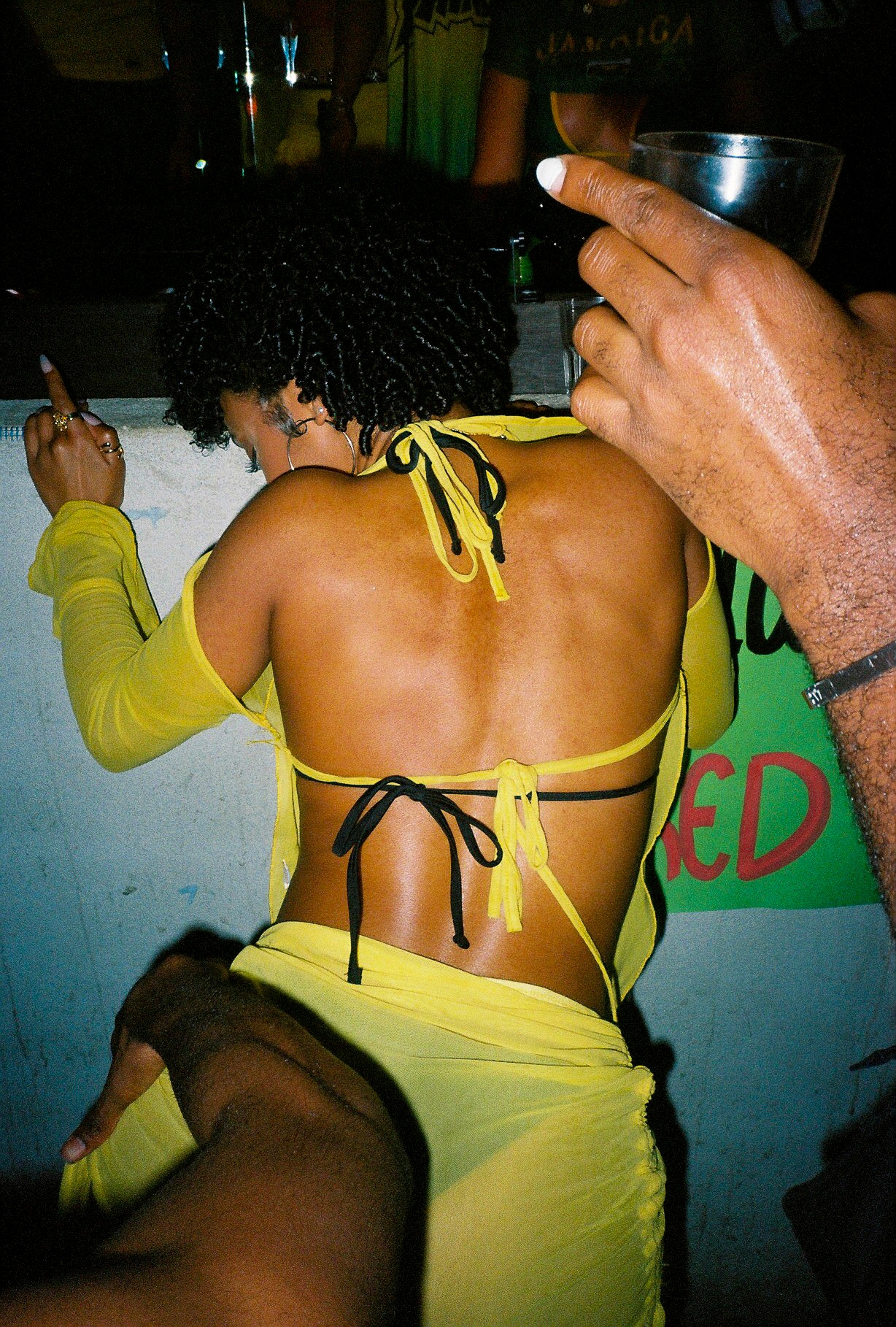
INBRAZA uses the party as an entry point. The dancefloor is how we get people’s attention so we can share the message behind the music. Every event has a purpose. Nothing we do is random; it’s all intentionally curated to honour the culture while inviting new audiences in.
For example, now that we have their attention, we created INBRAZA TALKS, a platform to uplift marginalised voices and discuss the politics within our community. Our generation needs to get back into the habit of having hard conversations and sharing knowledge. That's how we survive as a community.
Q: What does it actually mean for INBRAZA to "carve out space" in a scene that wasn't built with Brazilian sounds in mind? What does success look like beyond packed dance floors?
LUA: INBRAZA is already successful. We’ve reached the kind of success that matters to me: creating a space where people feel free to be themselves without fear or judgment. A space where they feel safe, seen, and centred in the conversation.
And beyond that, when someone has an idea, a project, a track, an exhibition, they come to us. They trust us. They know INBRAZA is a place where their work will be held, supported, and amplified.
We didn’t just build packed dance floors, we built a community.
Q: Baile has an unapologetic sensuality and boldness that can feel confronting in Australian club culture, which often plays it safer. Why is it so important for INBRAZA to refuse to sand down those edges?
LUA: For INBRAZA, staying true to that is non-negotiable. If we sand down those edges, we’re not honouring the culture, we’re performing a version of it that isn’t real. And I’m not interested in that. Even in a conservative country, we’re going to show up exactly as we are and they better get used to that lol.
Q: When people show up to an INBRAZA event expecting just a good time, how do you slip the education in? What does it look like to teach on a dance floor?
LUA: The teaching starts way before the dancefloor. The dancefloor is just where it becomes embodied. We educate through who we book, the narratives we highlight on our socials, the visuals we create, the educational videos we post, the flags we have around the venue, the way we frame the culture. By the time people are dancing, they’re already absorbing the context, even if they think they just came for a good time.
Q: Brazilian music history is vast, featuring samba, bossa nova, tropicália, funk carioca, baile funk, and favela beats. How do you decide which threads to pull on and which stories to tell?
LUA: It really depends on the story we want to tell and how we want to tell it. Brazil’s music history is huge, so we choose the threads that best support the narrative, the emotion, or the political message we’re bringing into that specific event.
Q: What conversations have you had to have with venues, promoters, or even your own community about respecting the origins of this music while it grows in a new place?
LUA: To be honest, if you follow our socials, you already know we’re very bold and straightforward about our political views, and that works in our favour. It means the people who come to us already resonate with our message, so we don’t waste time justifying or diluting anything. The conversations we do have with venues, promoters, and our own community are usually the opposite: they want to learn more. They want to understand the origins, the politics, the culture behind what we do.
Q: When you talk about education, are you educating non-Brazilian audiences, or are you also creating space for younger generations of Brazilians to connect with sounds they might have lost touch with?
LUA: The dialogue is open for everyone; the approach just changes.
With Brazilians, especially middle-class or white Brazilians, there’s often a very distorted or dismissive view of Funk and favela culture. So the conversation becomes about unlearning, reclaiming, and challenging their own biases.
For non-Brazilians, it’s more about introducing the culture with context.
For Brazilians, it’s about reconnecting them to a culture many were taught to look down on.
Q: What's something about Brazilian music culture that you feel gets consistently misunderstood or flattened when it travels internationally?
LUA: That people can just take the sound and no one will notice or call them out. Brazilian music has always contributed massively to global culture, but rarely gets the credit, the context, or the respect it deserves. People love the rhythm, but they often erase where it came from and who created it.
Q: Looking at the landscape now versus 2022, do you feel like INBRAZA has shifted how Australian audiences engage with Brazilian music? What's actually changed?
LUA: I can proudly say yes. The landscape has shifted, and INBRAZA has played a huge role in that. Our contribution to the Australian music industry has been so significant that I was selected as a finalist for the AWMA 2025 Creative Leadership Award, alongside the director of Dark Mofo, a festival backed by $51 million that boosts Tasmania’s entire economy. We’re nowhere near those numbers yet, but culturally? We’re right there. The impact we’ve made is undeniable.
When we started in 2022, Baile Funk was treated like a trend, a catchy sound people consumed without understanding. Today, people know the political and social context behind it. They know where it comes from. They understand the culture, the struggles, the joy, the resistance embedded in every beat.
And most importantly, they no longer see themselves as outsiders consuming Brazilian culture from a distance. They see themselves as part of the community we’ve built.
That shift, from trend to understanding, from consumption to connection, is one of INBRAZA’s biggest achievements.
