 FEATURES
Dita and Hannah D on keeping community at the heart of brand partnerships
The Klymax Discotheque resident and the TSBU label head talk brand work, DIY values and what real investment in a scene looks like after playing BWS’ Cool Room in Naarm/Melbourne.
THIS ARTICLE HAS BEEN WRITTEN IN COLLABORATION WITH BWS COOL ROOM
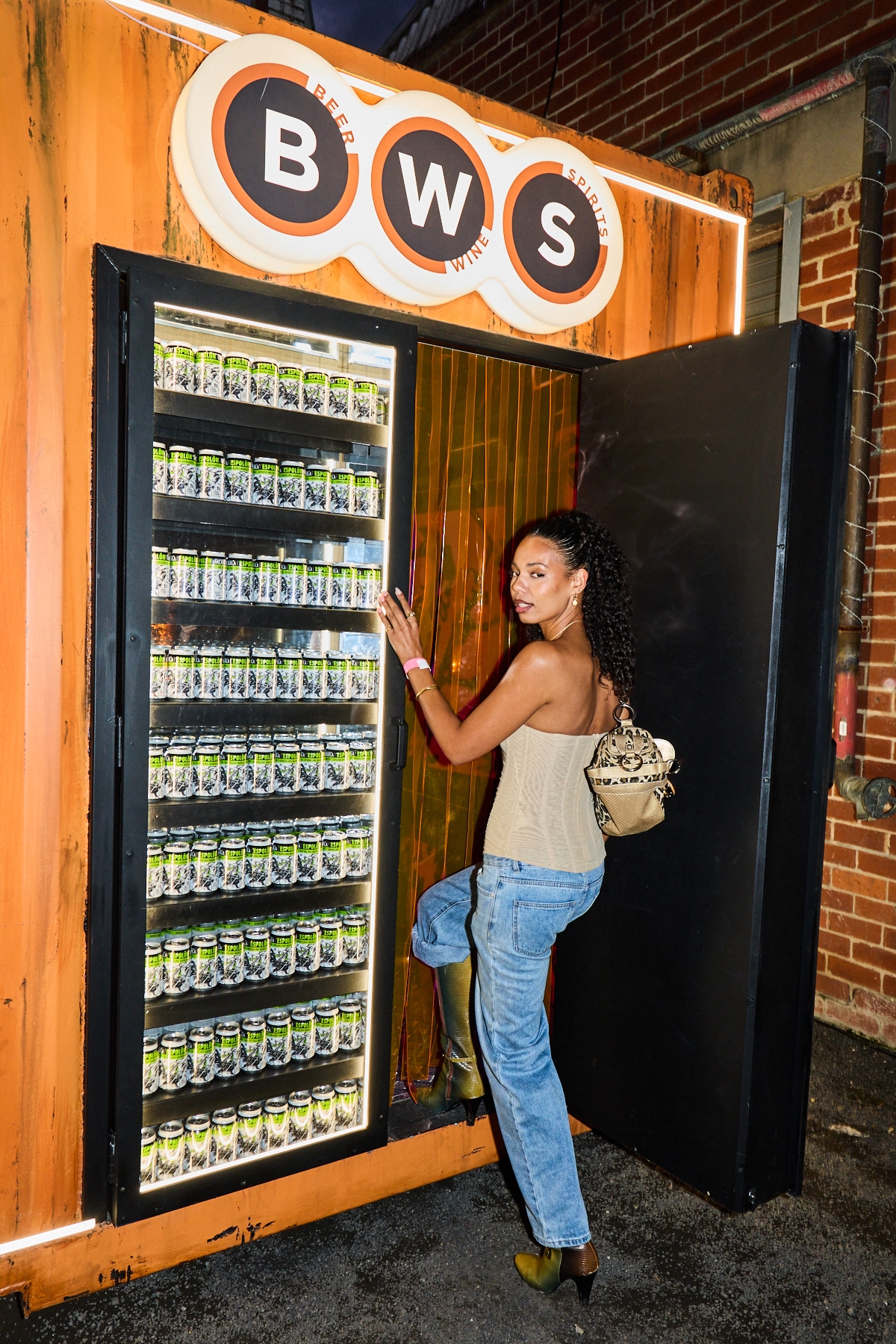
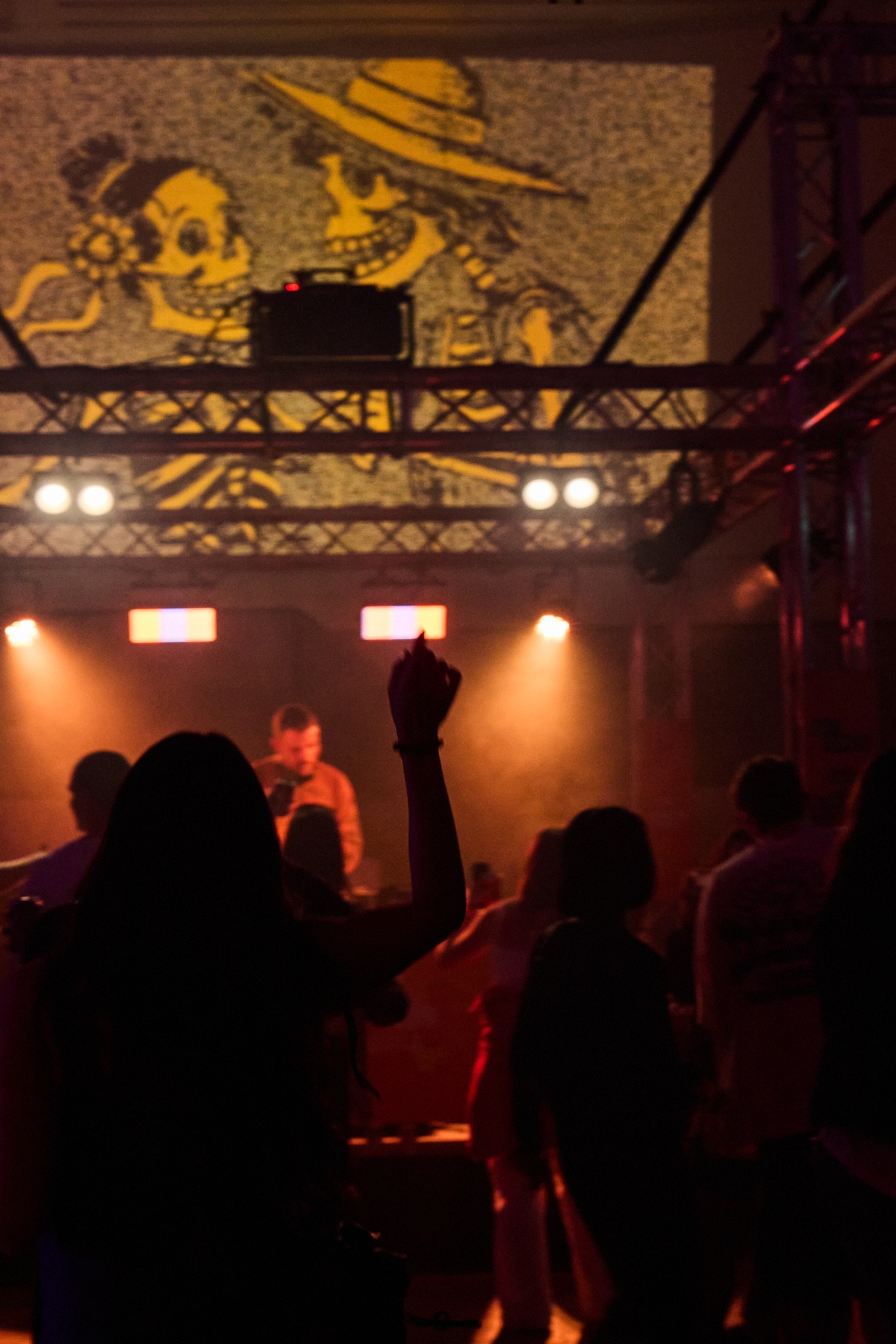
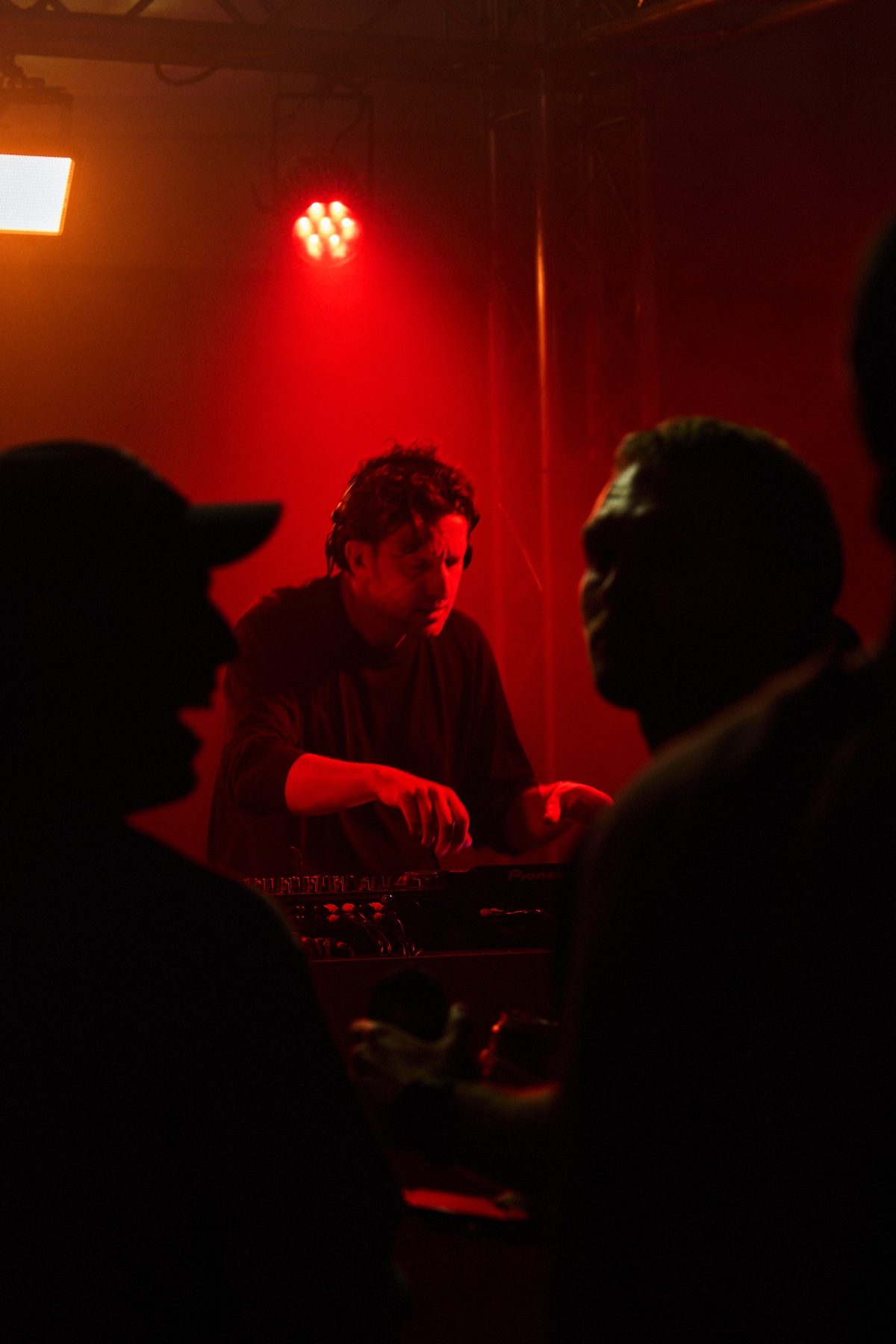
On Saturday 31 October, BWS’ Cool Room came to Naarm/Melbourne. The event series took over The Wool Mill in Brunswick East for a free party presented with Espolòn Tequila, with Harvey Sutherland headlining on a DJ set alongside DITA, Yikes and Hannah D.
A free gig with a liquor retailer’s name on the door asks something of the artists who play it and the punters who attend. Brand money is increasingly behind a lot more in 2026, and understanding how to navigate that environment is a crucially important skill.
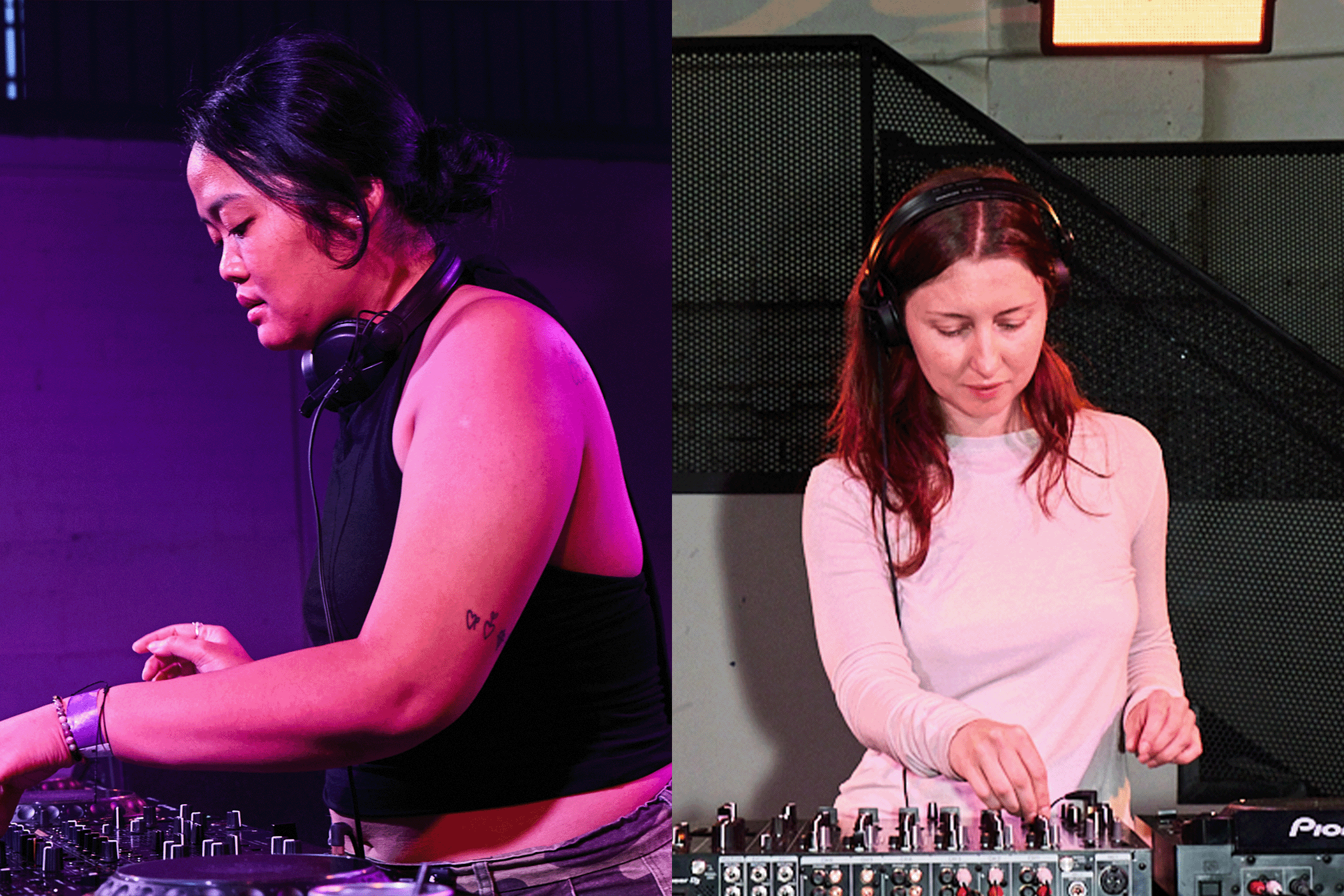
DITA and Hannah D come to that conversation from different places. DITA is New Delhi-born and Indonesia-based, a resident at Bali’s Klymax Discotheque, and has taken sets spanning proto-house, ’90s breaks, Balearic, and disco to Dekmantel and Berlin’s Panorama Bar. Hannah D is a Meanjin/Brisbane-born, Naarm/Melbourne-based selector who works with the progressive sounds of the ’90s and ’00s, and runs her own festival, Moniker, and label, TSBU (The Space Between Us).
For two artists working at the forefront of their respective DIY scenes, their approach to working with more commercial brands is something they need to be sure of.
We spoke with them both after the party to ask where they draw the line with brand work, who is on the dancefloor now who was not there five years ago, and what real investment looks like in Indonesian club culture and in Meanjin/Brisbane.
Q: When we spoke to HalfQueen for the last BWS Cool Room, she said a brand that can’t show duty of care should step back and be a silent partner. Where do you draw your line with brand work, and what made this one sit on the right side of it?
DITA: Brands are part of how a lot of nights come together out here, so I’m pretty relaxed about it. For me, it comes down to the feeling. I want a team that gets the music, looks after the artists and trusts the people who know the scene to run the night.
HANNAH D: I think it comes down to whether there's a genuine understanding and respect for the culture, and whether the partnership actually gives something back to the community rather than just extracting from it. For me, it's important that artists retain their creative autonomy and that there's a real commitment to supporting the people and spaces that make the scene what it is.
Q: Where do you feel dance and electronic music sit right now?
DITA: Honestly, I think it goes both ways. The underground is still very much alive, in small rooms with good sound, residents who’ve been there for years and crowds who come back every week. What’s interesting is seeing the mainstream pick up some of that approach too, with bigger events booking more selectors, giving DJs longer sets and caring more about sound and atmosphere. The two are feeding each other now, and more people are finding their way into this music because of it.
HANNAH D: I think electronic music is probably more visible and accessible than it's ever been, which is exciting, but I also think it's important not to lose sight of the underground communities that have always driven it forward. There's a lot of crossover happening now, but I think the most interesting things are still happening in spaces where artists and communities can experiment without necessarily thinking about commercial appeal.
Q: Who do you think the crowd is now that they may not have been five years ago? What are new crowds bringing?
HANNAH D: I think the crowds are becoming more diverse, both in terms of age and musical backgrounds, which is a really positive thing. A new generation is coming through who are curious and open-minded, and I think that brings fresh energy, different perspectives, and opportunities for scenes to evolve.
DITA: It feels really mixed right now, and I love that! On the same night you’ll see a proper mums’ day out, dancing next to someone who’s just started going out. In Bali, there are also more locals on the floor than five years ago, and you can feel it in the room. Everyone brings their own energy and curiosity, so I can move from a 90s breakbeat record to something Indonesian to a disco edit, and the whole room stays with me. Seeing that kind of variety on one dancefloor makes me really happy.
Q: You played on Halloween. Did you reach for a specific record on the night to mark the occasion?
HANNAH D: I didn't actually lean into the Halloween vibe as much as I could have and kept it pretty fun and housey; maybe next time.
DITA: Maybeee.. this: Frankie Goes To Hollywood’s ‘The Power Of Love (Steve Franklin Remix)’. The song has that line about keeping the vampires away, which felt right for the night! Haha
Q: Hannah, how do you keep a DIY kind of instinct intact when you step into commercial spaces?
HANNAH D: I think the DIY instinct is less about the scale of a project and more about the values you bring into it. Having come up through building things from the ground up with TSBU, I've always been interested in creating opportunities, bringing people together and giving artists a platform, and I don't think those things need to change just because there's a bigger budget or brand involved.
Q: DITA, you’ve spoken about carrying Indonesia’s representation with you wherever you play. What does genuine investment in Indonesian club culture look like?
DITA: For me it’s about consistency and community. Local DJs need regular nights, time to grow and chances to play next to the artists they look up to. That’s something I care about a lot and want to keep pushing for, because there’s so much talent here that people haven’t heard yet. Indonesia also has so much of its own music, from old funk and disco records to the producers coming up now, and I love seeing more of it on dancefloors. When the local scene feels supported, everyone benefits.
Q: Bali is where tourism, brands and club culture collide every night. What should a brand learn from watching that up close?
DITA: Bali shows how much the place and the people matter. The nights that feel special here respect the island, its culture, and its rhythm, and bring all kinds of artists and crews into the picture. Brands that keep showing up and let the music lead tend to build something people really connect with. It’s a good reminder that the best experiences come from community, and people can feel that on the ground!
Q: Previous BWS Cool Room alumni would attest to the brand’s focus on ‘investing’, for lack of a better term, in artists from pockets of music worth investing in. Hannah, do you think Brisbane gets the recognition it deserves? What would real investment in its artists look like to you?
HANNAH D: I think Brisbane has an incredible pool of talent and a really distinct musical identity, but it doesn't always get the recognition or visibility it deserves compared to Melbourne and Sydney. Real investment would mean creating sustainable opportunities for artists beyond their immediate local scene, whether that's supporting releases, paying artists properly, creating touring opportunities or backing the independent promoters and venues that give those artists somewhere to grow.
Q: 'Free parties' can be two very different sides of the same spectrum. What have you learned from running free gigs that you feel is worth passing on to other would-be organisers or brands?
DITA: Stay close to what made you love music in the first place. It’s normal to take on different kinds of gigs as you grow, and each one teaches you something about reading a room. Keep digging, keep sharing what you love and surround yourself with people you trust. Your taste is what people remember, so give it time and let it grow with you. :)
Q: What have you learned from running free gigs that you feel is worth passing on to other would-be organisers or brands?
HANNAH D: I think the biggest thing is understanding that free doesn't mean there's no cost involved, and someone is always carrying that cost, whether it's the organisers, artists or crew. Free parties can be incredibly important for building community and making music accessible, but they need the same level of care, planning, and respect for the people involved as any ticketed event.