


 CULTURE
50 years of Triple R, in the words of its presenters
As Naarm/Melbourne's listener-funded station turns 50, six of its presenters tell us what it means to them, what community radio is for, and why it's worth backing for another 50.
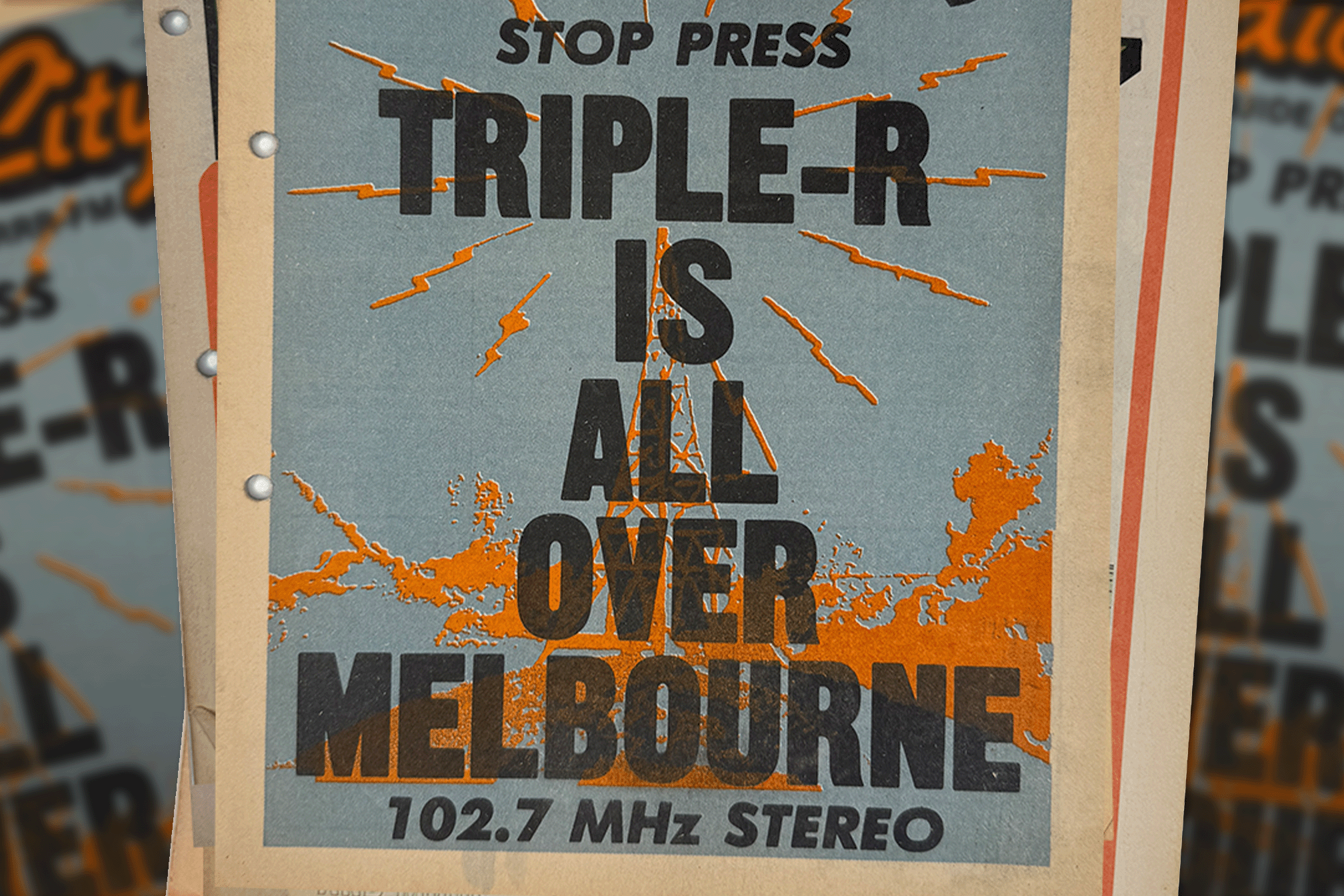
Fifty years is a long time to keep anything on air, but Triple R has done it with no commercial owner, no algorithm and volunteers behind its mics. The Naarm/Melbourne community station just celebrated its fiftieth birthday, still listener-funded and still broadcasting on 102.7FM, these days from its home in Brunswick East.
Half a century is a long time for Australian music, and the station’s laundry list of achievements reflects a huge, continuous shift in what local music looks and sounds like. Silverchair played a Triple R live-to-air at the Big Day Out when they were still an emerging band; PJ Harvey and Jeff Buckley played the rooftop of the station's old Fitzroy home; the Strokes' first Australian show went out live on Triple R; while HG Nelson, Kate Langbroek, Sam Pang, Zan Rowe and many more all got their start there; and of course, the bumper sticker is still a fixture on Melbourne roads.
In 2026 though, even with a long history behind them, the case for community radio isn’t about honouring a legacy; it’s about retaining a human touch in a world increasingly devoid of it.
Music discovery has been largely handed to recommendation engines built to serve you more of what you think you know, and to keep you listening to what they dish up. Triple R is unashamedly human, providing hip-hop, country, metal and electronic music too.
It also gives its city, and those who listen in from other states or even countries, a chance to engage with a space where multiple generations of music meet. At the party after this year's Radiothon, presenter Charlie Miller said that volunteers who started in 1976 were hanging out with people who started in 2026.
To celebrate the station’s fiftieth birthday, we asked a few members of that newer generation of presenters the same three questions, all about what Triple R means to them and their city.
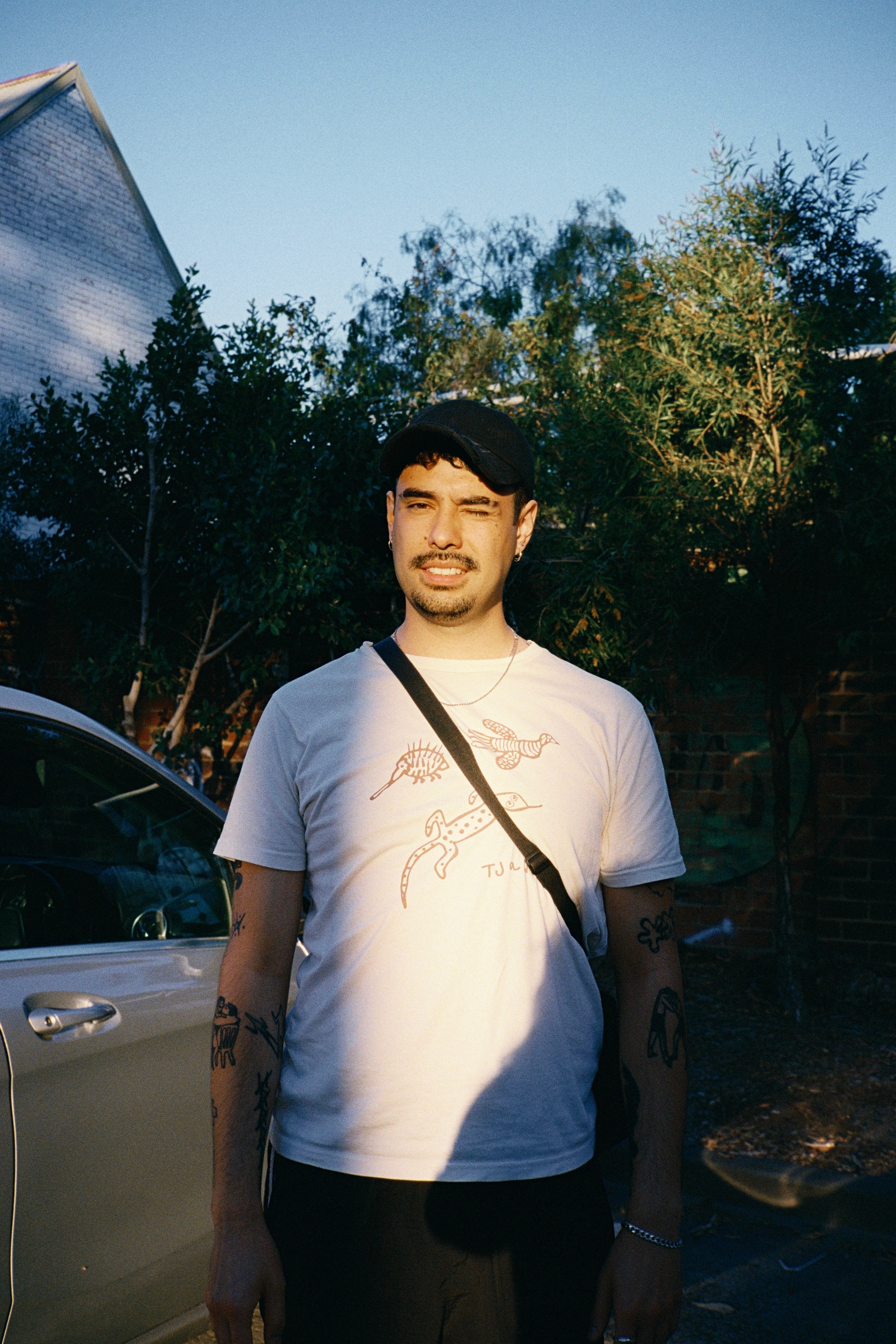
randals dad, HOST, FEEL THE FLOOR
Q: What does Triple R mean to you specifically?
RD: Triple R means so many different things to me and to the communities I am part of. In particular, Triple R has allowed me to explore a creative practice that is unique, political and meaningful for many. For me, radio broadcasting is the culmination of my creative pursuits - deejaying, event production, sound design, storytelling, cultural practice. From a platform of music discovery, I can engage in conversation, create ranging soundscapes, or even just hang out with friends on-air.
On another important note, Triple R provides a voice for the Aboriginal and Torres Strait Islander communities of Naarm that are regularly left out of the commercialised, subservient media landscape. Whether it's through platforming Mob artists through music, talks, or performances, this means absolutely everything to me: to be unashamedly proud of my community.
Q: What role do you think community radio has in a musical ecosystem that's increasingly less 'human'?
RD: In an increasingly less 'human' musical ecosystem, community radio does the exact opposite – wholeheartedly bringing the human back into it. The entire station is driven by a passion for music, connection and community. Importantly, this human element is entirely attributable to the volunteers who dedicate their time and energy to creating thoughtful, purposeful selections for people to tune in to.
It is a socially important and political choice to decide what gets played on the radio, and that human element means there is intention behind every choice that goes to air. While other platforms (music streaming/commercial media orgs) are driven by profit, market share, and AI-powered dystopia, absolving humanity of one of the most intimate forms of connection.
Q: A media organisation lasting 50 years didn't used to sound surprising, but in the age we're in now, it's increasingly rare. Why is it so important to support organisations like Triple R well into the future?
RD: There are so many reasons to support organisations like Triple R into the future, but I think the commercialisation of almost everything we consume has damaged our collective consciousness. As a community-led organisation for five decades, Triple R prompts us to slow down and be intentional about how we fill our time.
From structured and curated music shows to meaningful and relevant conversations, it is reflective of on-the-ground community, which is something that cannot be taken for granted as the world continues on a path of despair. We all must play our part in ensuring a positive future, and supporting independent organisations like Triple R is an important part of that.
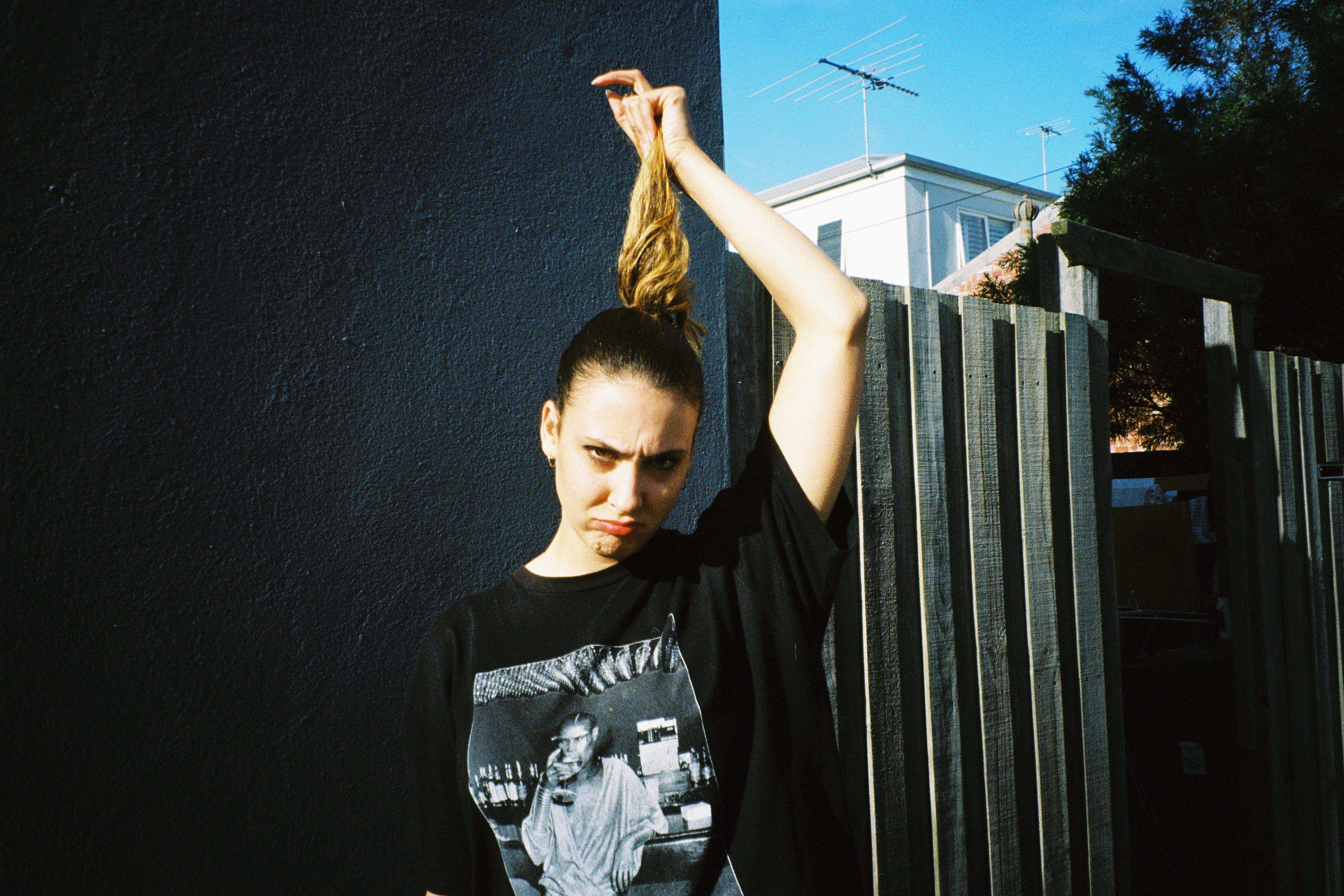
Yasmine Sharaf, HOST, CEASE AND DESIST
Q: What does Triple R mean to you specifically?
YS: Triple R has been an incredible home for me over the past five years. I've met so many wonderful people, and learnt about so much music.
Q: What role do you think community radio has in a musical ecosystem that's increasingly less 'human'?
YS: Radio is such a wonderful medium, where you instantly join a dialogue with someone else. I hope more people will turn to mediums like community radio, where you're interacting with a real person, not just an algorithm showing what you already know or pushing monetised content. It's an incredible thing to discover new music via radio, where you can feel someone else's passion for what they're playing.
Q: A media organisation lasting 50 years didn't used to sound surprising, but in the age we're in now, it's increasingly rare. Why is it so important to support organisations like Triple R well into the future?
YS: Supporting Triple R is so important because it belongs to all of us. That is the magic of radio. The doors are always open for getting involved, whether through listening and discovery, volunteering, or hosting your own show. There are so few spaces which still belong to and depend on community, and that's what makes Triple R so special.
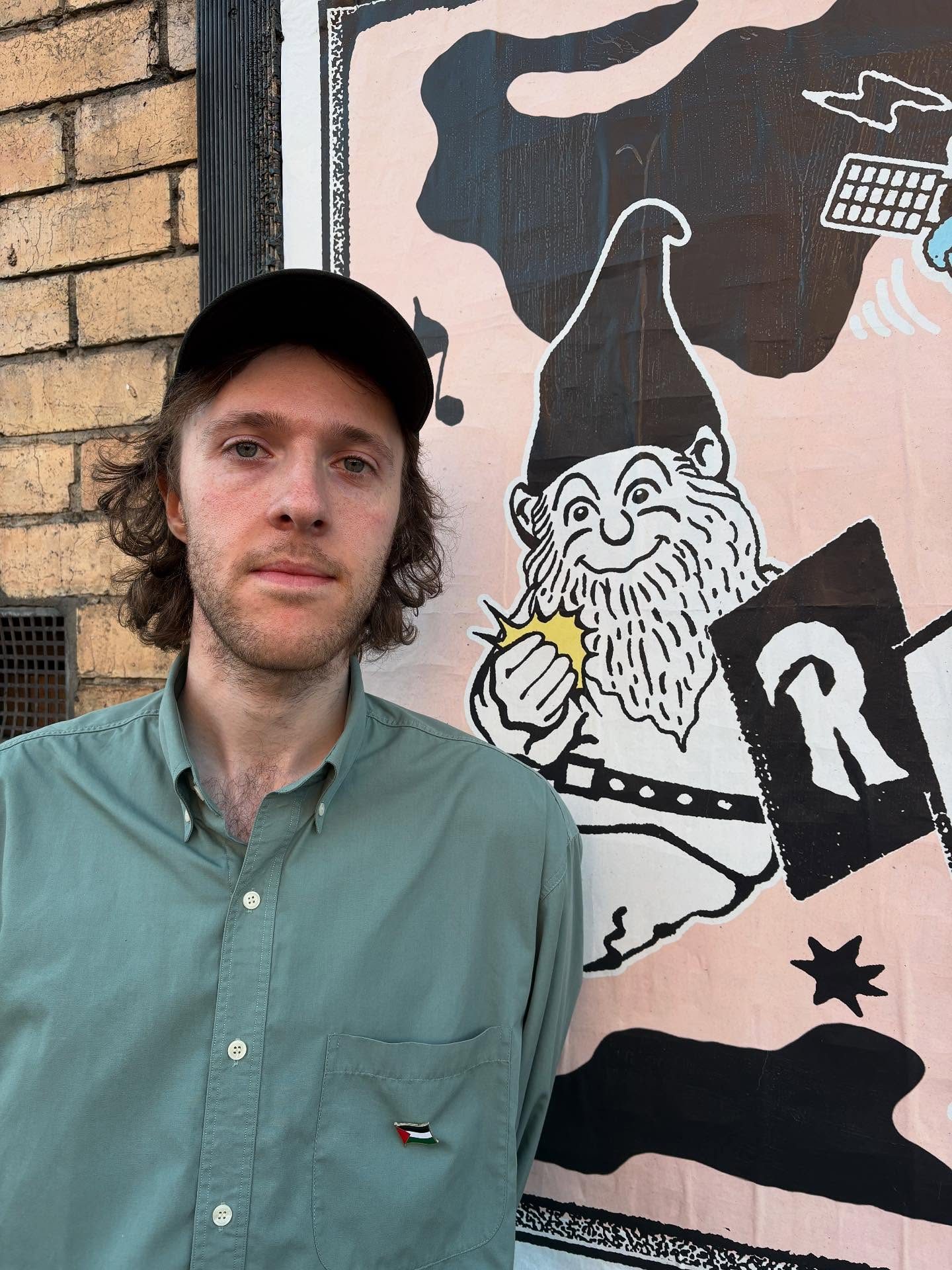
Charlie Miller, host, Frantic Items
Q: What does Triple R mean to you specifically?
CM: My understanding of Melbourne as an internationally renowned, artistically driven city is fundamentally shaped by Triple R's constant presence at its cultural epicentre. Back in primary school, I listened passively in the mornings and afternoons, then became seriously active as a teenager, scribbling down the names of intriguing songs heard on the clock radio while half-awake in bed.
Every moment spent tuned in became an opportunity to learn and build a perspective on this city’s place in the world. Now, as a regular presenter, I have immense pride in contributing to the station’s legacy through a weekly civic duty. Regardless of the days leading up to it, come Sunday evening, any prevailing anxieties are wiped away once I enter the studio and turn on the mic.
Q: What role do you think community radio has in a musical ecosystem that's increasingly less 'human'?
CM: It’s easy enough to hit play on a bunch of cool tunes and walk away. The explosion of online mixes and algorithmically powered playlists is a testament to that convenience. Triple R, however, was founded on a radio model that foregrounds context delivered through its presenters' knowledge.
This format, which involves the interplay of music and live studio talk, is integral to the station’s identity. Details, expertise, and stories expand on the melodies, placing them within their historical moments while tracing links to our present day. It may not always be pleasant to listen to and requires a bit more concentration, but the purpose is to be intentional and generous in the sharing of information with a personal touch.
Q: A media organisation lasting 50 years didn't used to sound surprising, but in the age we're in now, it's increasingly rare. Why is it so important to support organisations like Triple R well into the future?
CM: Triple R is a listener-funded local organisation that compulsively documents Melbourne's cultural developments at every turn. Tragically, most cities globally don't currently have an analogue at this scale and consistency, and Triple R has been operating like this for a long time. That reach allows for meaningful interaction across generations in a wildly siloed media ecosystem.
At a recent party celebrating the conclusion of the annual subscriber drive Radiothon, volunteers who started at Triple R in 1976 casually hung out with those who only began in 2026, united by their shared passion for independent community radio. A healthy media landscape would see tried-and-tested organisations coexisting harmoniously alongside today's fresh endeavours. Each can provide constructive guidance to the other.
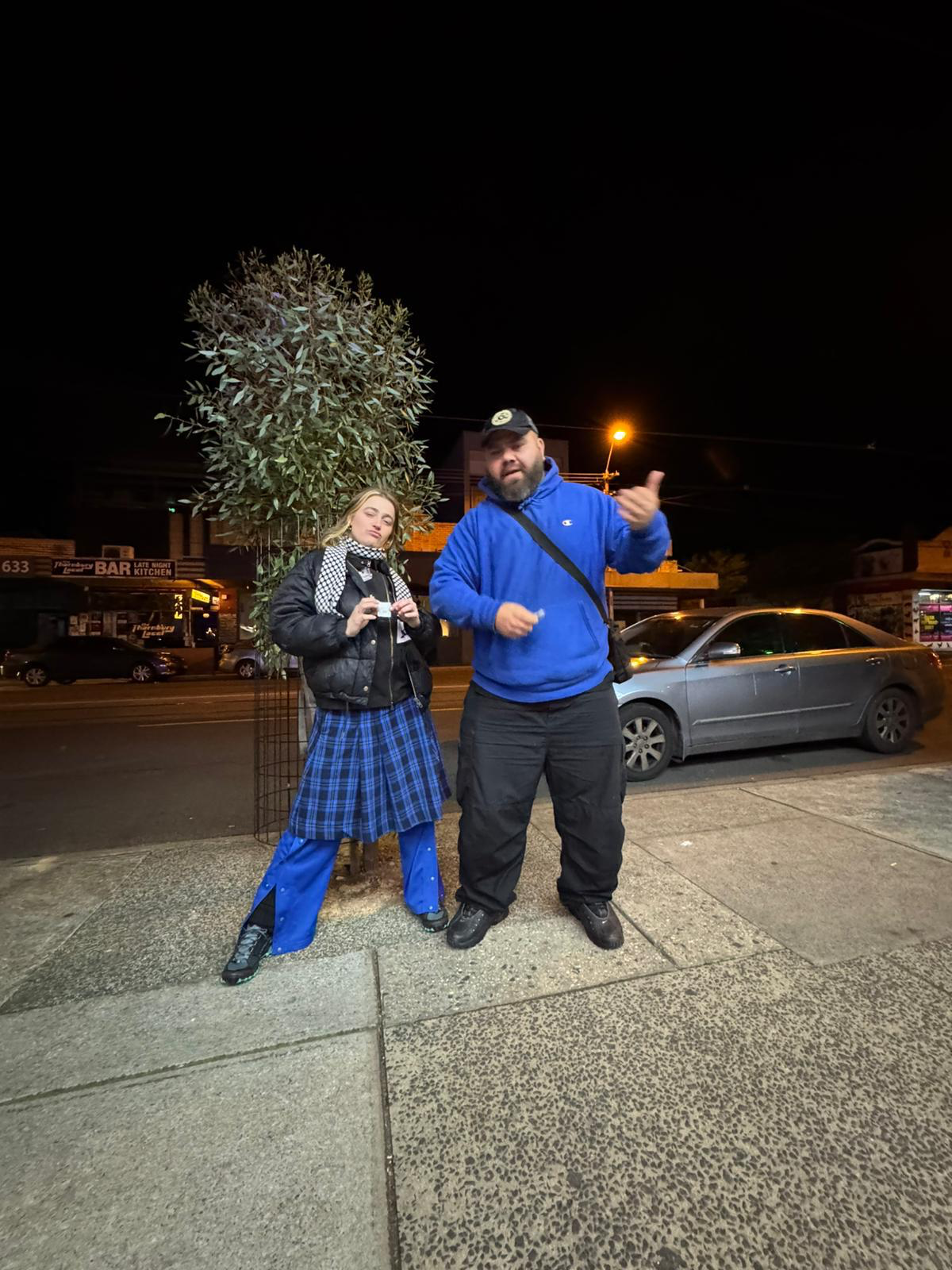
DJ PGZ, co-host, Good Static
Q: What does Triple R mean to you specifically?
PGZ: It means community; it means underground and grassroots approaches to storytelling. It means a place for artists to aspire to be heard.
Q: What role do you think community radio has in a musical ecosystem that's increasingly less 'human'?
PGZ: I believe it has a critical role now and in the future. Even with radio being digital nowadays, I believe nothing beats what Triple R has been doing for the past 50 years to foster support for all generations within the creative community.
Q: A media organisation lasting 50 years didn't used to sound surprising, but in the age we're in now, it's increasingly rare. Why is it so important to support organisations like Triple R well into the future?
PGZ: Because Triple R is 100% owned by its community and needs our support to keep it going for another 50 years!
Lizzynice, co-host, Good Static
Q: What does Triple R mean to you specifically?
LN: Triple R means so much to me! Firstly, Triple R means a dream come true because ever since I was younger, I wanted to be on the radio; I stayed up too late to hear my favourite songs and presenters. These people were my friends and connected me to a much wider world while growing up in country South Australia. After moving to Naarm over a decade ago and getting involved in the music scene here, Triple R became a mainstay in my life. First through festivals and events, namely Meredith 2014, which broke my mind into a million pieces, only to be rebuilt, stronger, better, and more in touch with something very special going on here… second, through my new friendship group of absolute sickc***s who plugged me in deeper to this mainframe, through their weekly shows, their performances in the live space and their appearances on 102.7fm. Safe to say, my dial was definitively locked.
When I think of Triple R, I am transported to two distinct spaces and feelings – alone in my room or car, or in my ears as I traipse the Merri Creek - giggling, learning, and texting in with fervent excitement to be a part of the conversation, and you can be (there is no better feeling than a shout-out from a Triple R presenter)! The second place my mind takes me is into the warm embrace of the Triple R studios themselves, a steady stream of friendly faces and big brains that make this station (and this city) what it is. The histories in the walls of that studio… and the stories you hear, the people you meet, are truly something.
To me, Triple R is community and connection; turning up Triple R is like calling an old friend, or hugging your nan.
Q: What role do you think community radio has in a musical ecosystem that's increasingly less 'human'?
LN: I feel that community radio connects us to the real, especially in the age of AI slop and too-easy streaming. Community radio might be one of the last places you can hear something so human as a moment of silence between buttons pressed, a laugh off-air, a mistake dammit!!! These days, I am desperate for the human and the real, and I am sure I’m not the only one. Triple R gives me the real every time - as well as being completely worth every cent I pay for my subscription! The immediacy and liveness of community radio, and how it connects to the physical streets you walk - be it through posters or Triple R stickers on cars- creates a feeling of connection to SOMETHING BIG that not many other things can make you feel.
The stories, the knowledge and education, the crunchy field interviews from outside the club or show, the auto-ethnographies from years past, the polished chats with worldwide stars, the up-close and personal Live At RRR’s, and the exhilarating realness of Radiothon broadcasts are SO human, and it is just such an honour to be a part of it.
Q: A media organisation lasting 50 years didn't used to sound surprising, but in the age we're in now, it's increasingly rare. Why is it so important to support organisations like Triple R well into the future?
LN: I believe that Triple R and places like it can imagine and create futures for the underground, the local, the outsider and the not-for-capital. Triple R, and community radio on a whole, amplifies voices and stories that aren’t often heard in mainstream contexts. The storytelling, education and music sharing that happen within the airwaves of community radio aren’t done to make money, or to appease shareholders or investors. Expressions of the underground, Indigenous, queer, disabled and otherwise marginalised or disenfranchised communities are lifted up and are integral to what makes community radio so special. Especially in contrast to the way that modern mainstream media, radio, the music industry and streaming culture have organised themselves, now run by white bro-pressors to turn a convenient and easy profit for themselves and themselves only, community radio is diametrically opposed to this and presents an example of what’s possible when people come together for something more than themselves. And god damn it is beautiful.
It is more important than ever to support independent media and broadcasters, to keep the real and the local amplified, to keep big corporations out of our ears and to keep us connected to each other… Billionaires and big business don’t want you to know that you can pay only 40-95 a year to be connected to something incredible, enduring and fun. So let’s keep it going.
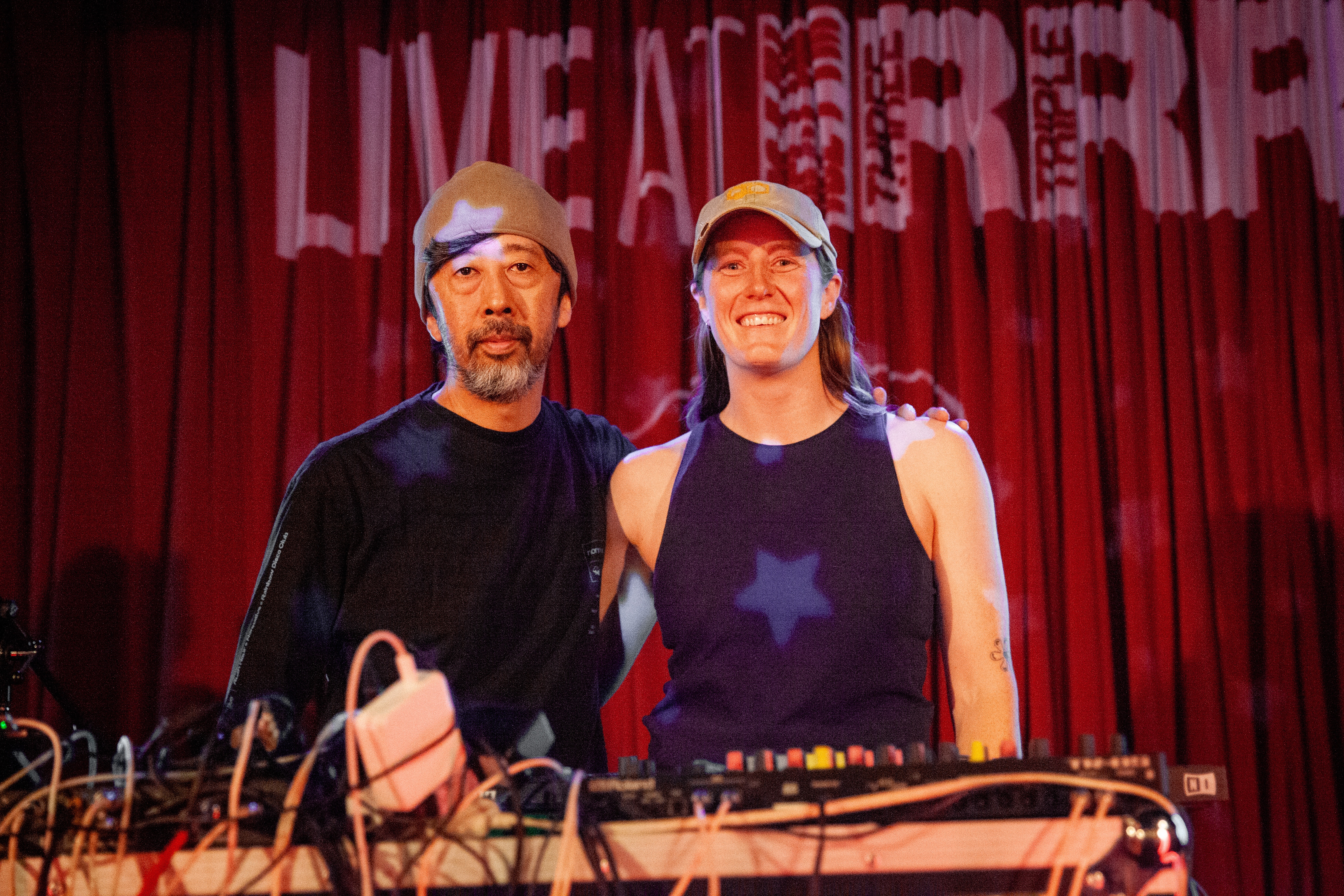
Millú, host, Full Circle
Q: What does Triple R mean to you specifically?
MILLÚ: It is the backbone of how I understand music and community in Melbourne. I've had my brain wired and rewired by this station countless times over the years, and I am forever grateful for that. It's a space that encourages curiosity and weirdness without pretence.
Q: What role do you think community radio has in a musical ecosystem that's increasingly less 'human'?
MILLÚ: Algorithms are designed to learn what you already like and keep you stuck in a comfortable loop - the hamster wheel of pleasurable listening. Triple R does the opposite - it celebrates the unusual, the unexpected, and the challenging. It's raw, it is honest, and you can guarantee you will hear something you haven't heard before every single time you tune in. When you turn on Triple R, you're turning on a real person pouring their heart into an hour, two, or three of programming for the pure love of it. You get the messy, beautiful, real-time dialogue of live radio.
You also get their wealth of knowledge - the deep dives into strangely specific Discogs tangents, the first-hand experience of a local scene or subculture, and a sense of storytelling. I think this is what the communal experience of music has always been about, and community radio is one of the few spaces left that keeps it alive. In a world where music consumption is becoming increasingly transactional and soulless, Triple R reminds us that music is meant to be shared, discussed, and experienced together.
-
Donate or subscribe to Triple R via their website.
