


 INTERVIEWS
Coloursound & the bounds of his 'New World'
Writer Edie Hopgood speaks with the producer fresh off the back of his Animalia released debut.
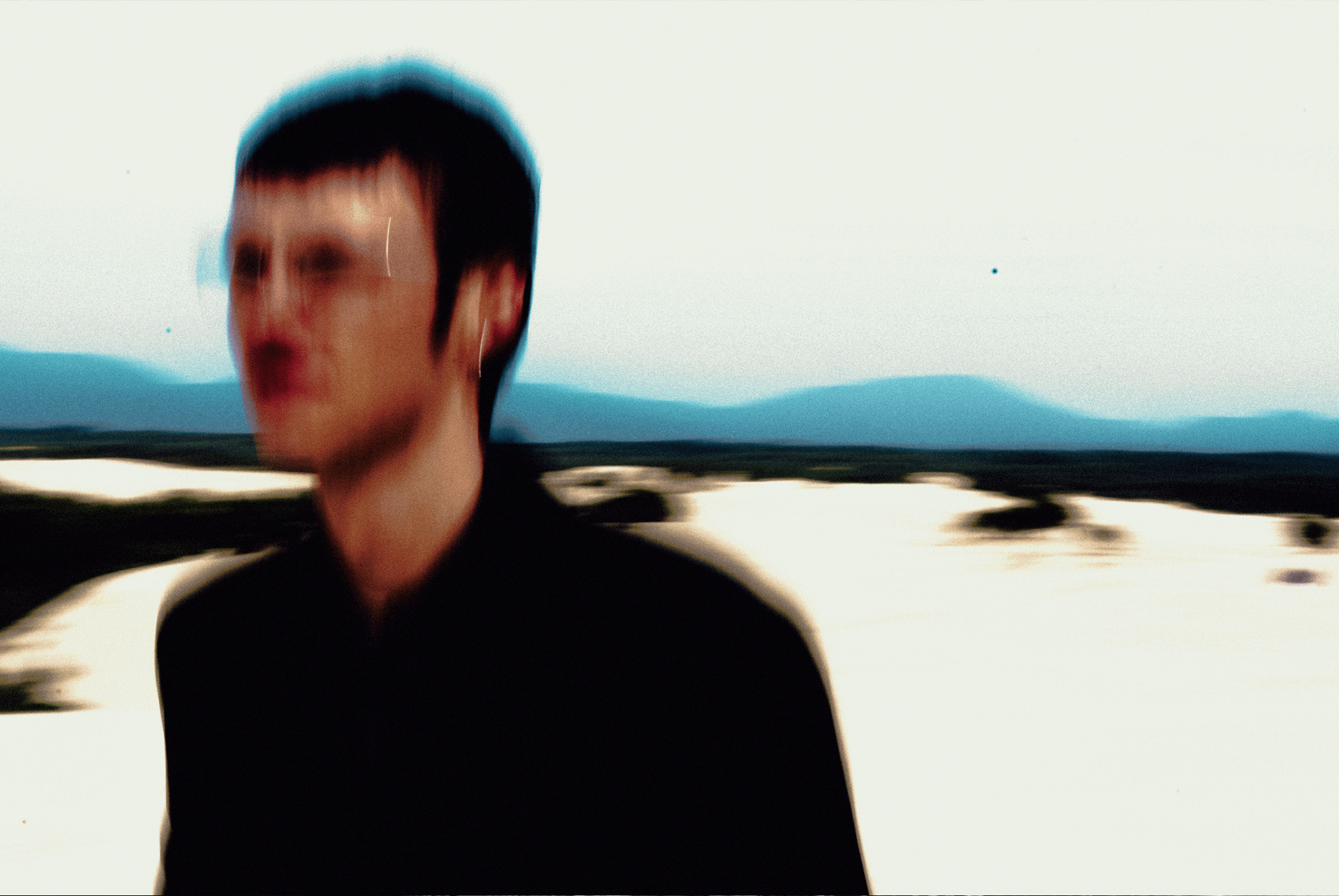
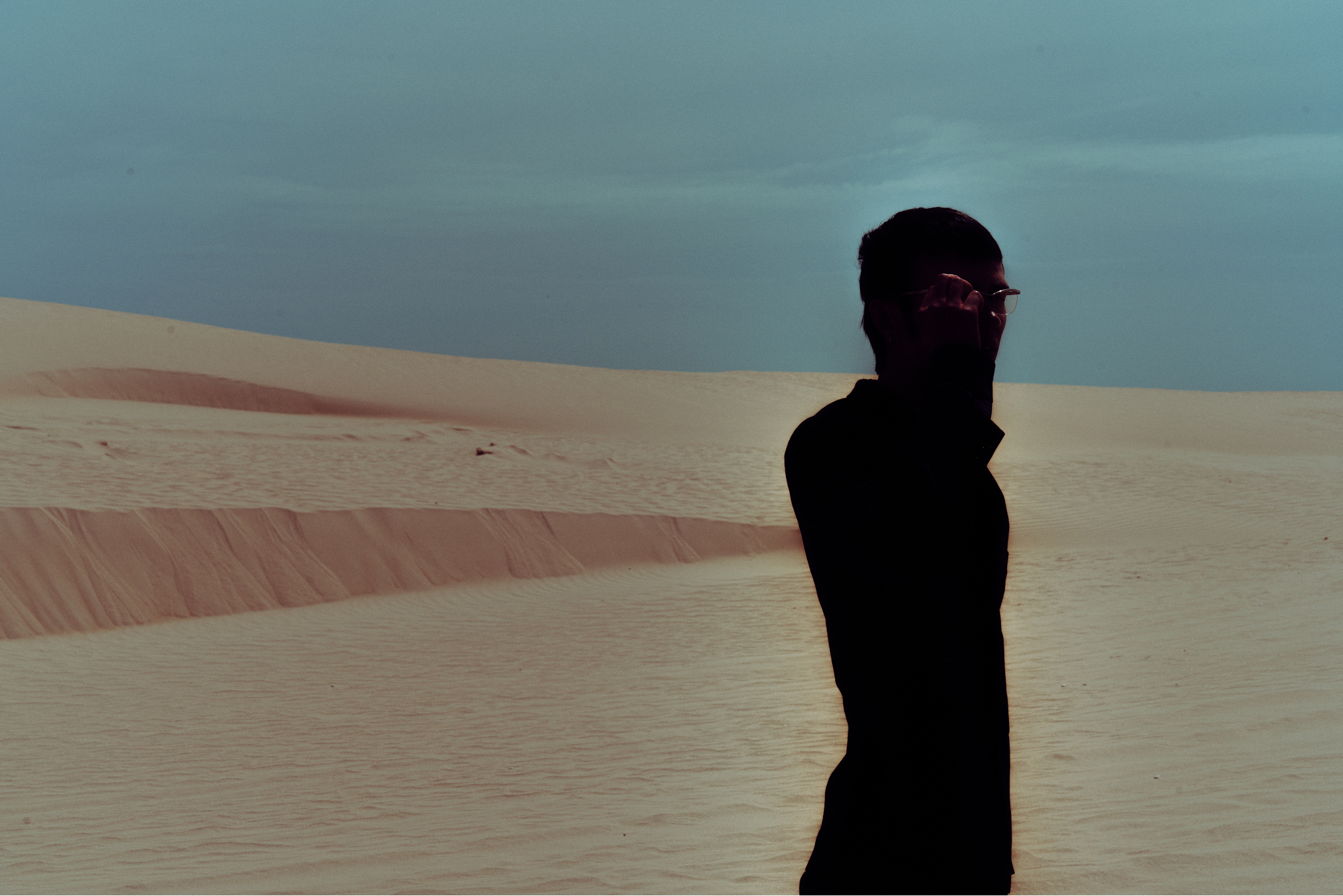
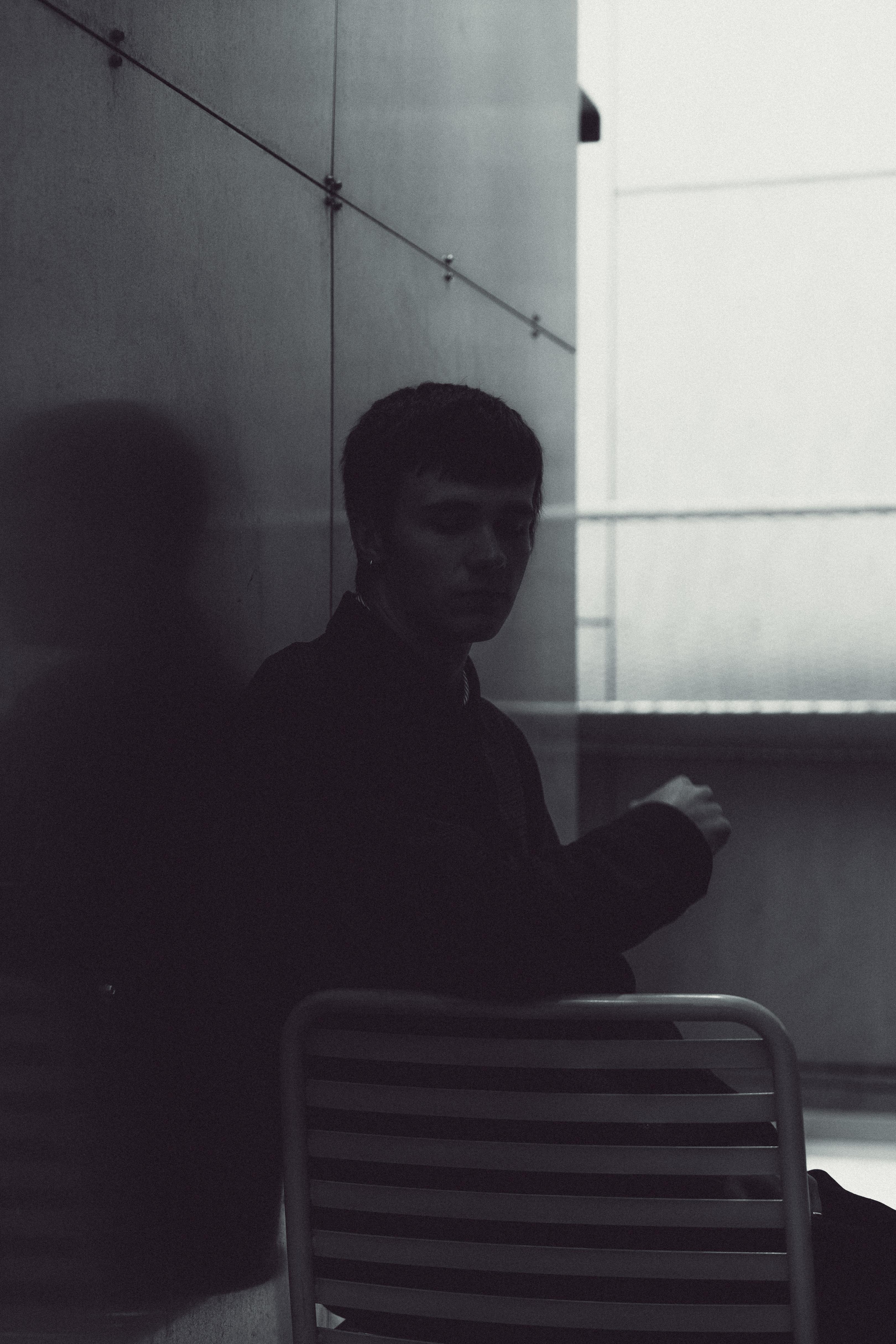
Although the name ‘Coloursound’ may seem new to some, for Naarm/Melbourne-based producer Will Landman, this project has been brewing for years.
Coloursound meets at a convergence, referencing all of Will’s previous sounds to create something completely new. He describes this project as being his most experimental and also ‘tied to his identity as a person’.
His debut EP as Coloursound, titled ‘New World’, was released on Naarm-based label Animalia – curated by local producer and DJ, Kia – last month.
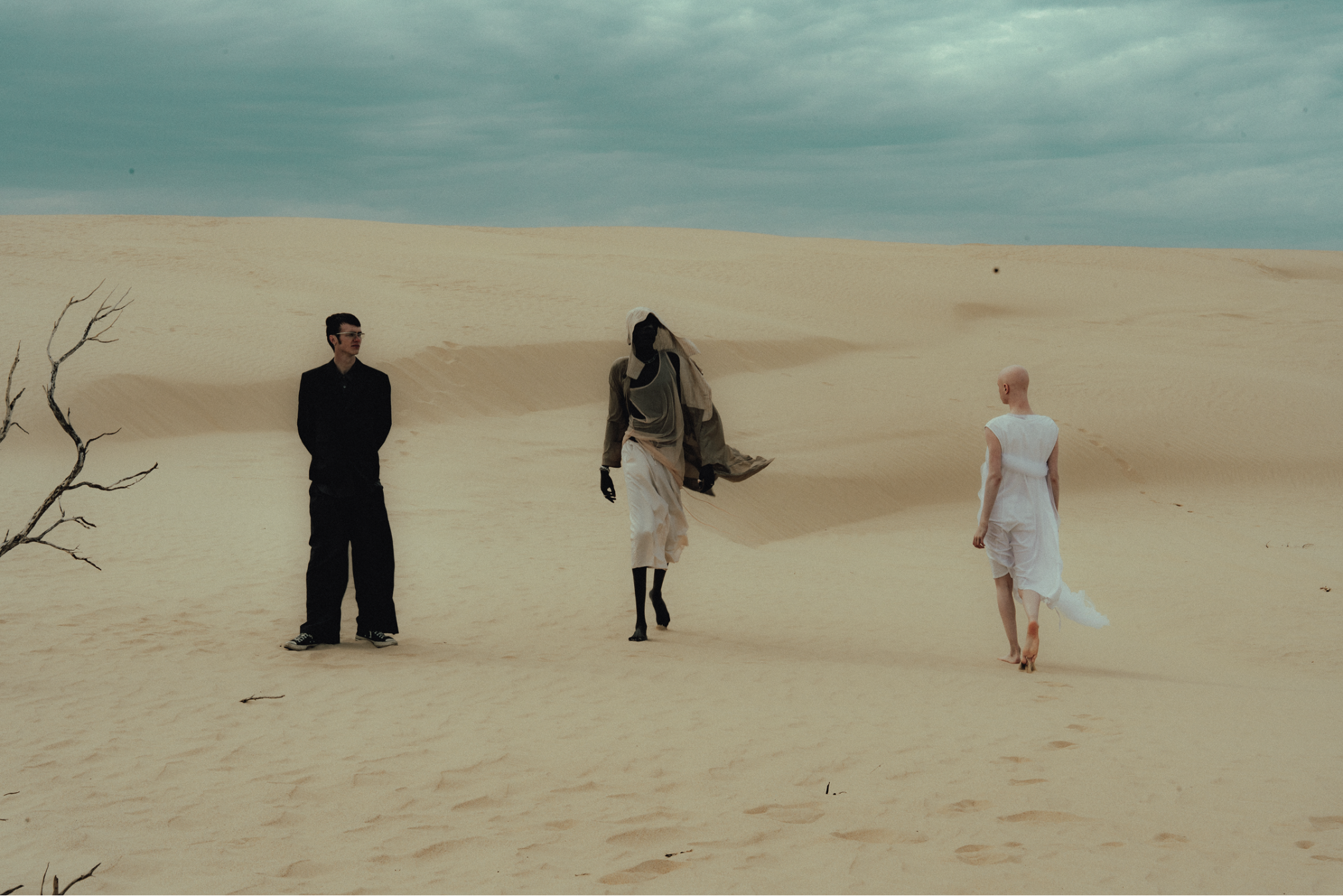
Will describes himself as prone to fantasising about where his music may end up, which feels fitting, as the record is so clearly influenced by the concept of space. Originally inspired by feedback from a friend, telling him he ‘need[ed] more room in [his] tracks’, the record utilises space both literally and through employing ethereal sounds and dub techniques to manufacture his own otherworldly, post-modern landscape.
Throughout his works, Coloursound’s instinct to blend, mould and experiment with genres has remained central to his music, and has seen him shift effortlessly between minimal, techno, and psytrance. He likens this borderless approach in sound to that of the post-punk aesthetics that fascinate him.
‘It didn’t really make sense to me why I was drawn to these different sounds, so I struggled a little with my identity as an artist. Eventually, I have come to realise that this is virtually the work, knowing how you stand within the world and being able to articulate how you got there. Music is just the by-product of that,’ Will shares.
Having produced most of the project over just a few days in January of 2025, Coloursound remained patient, trusting the process of his hard work. He describes both his time working as a designer at community studio, Stay Soft – where he received a necessary push from music heads and label owners working alongside him – and approaching Kia and Moopie at Hope St one night, introducing himself and pitching his work, as both pivotal moments in the EP’s journey.
Will tells me that the support he has received around this record has been his driving force, with the co-sign from Animalia being the icing on the cake:
"At the end of the day, music revolves around community and this project is just another way [for me] to connect with people. I’m grateful to make a careful contribution to the space Animalia has built for electronic music. For me the most important thing is that I put my best foot forward, knowing that what we created was the most honest version it could be."
EH: You’ve operated under a few former aliases. When did you begin making your own music and how has this developed over the years?
WL: I’m not so different from a lot of people. I picked up decks early on, when I was maybe 15, and quickly got bored. I started making music after that. I definitely consider myself far more of a producer than a DJ. I am always trying to convince myself I can also DJ, which I can technically, but I never have as much fun as when I’m making music or talking about the music I’ve made.
EH: Do you think you enjoy the process of making music because it is typically more internal?
WL: Yeah definitely. For me, I think it’s harder with DJing to walk the line of an eclectic mix of sounds, genres and ideas. You have full, complete control when you’re making music, and for me, it feels like there are no other influences.
When I’m DJing, I feel very much like a designer. I’m trying to meet people in the middle, but when I’m making music, I’m only trying to please myself. It’s always better when you’re not thinking of anything other than what feels right to you. That’s the main thing you’re trying to work out when you’re making music.
When I began producing, I’d say I was making a genreless bag of crap. I had no sensibility for music yet. I knew about genre and the possibilities, but I wasn’t making anything. Sometimes this still rings true, but I would say it makes you who you are.I then tuned into things like minimal house, which is really easy to identify because it’s straightforward, and I think a great place to start for anyone interested in dance music. I think that then turned into an obsession with whatever was popular in Melbourne at the time, like techno. I had an initial alias, Run 4 Cover, which did well but always felt less genuine.
I was always making some slightly borderless stuff in the background; I would make around 100 demos a year, and only one of them would be released. That’s why I feel so good about my new project, because I definitely stopped trying to accommodate my old audience as much. I definitely haven’t just landed here; it’s not my first project, even though maybe people think so.
EH: That’s a lot of demos; you’ve objectively spent a lot of time on it. I think that’s always the battle: is putting yourself out there arrogant? I think it's always a bit of a growing-pains part of the process, feeling comfortable doing that. It's something that a lot of people have to take time to learn for themselves, especially in Australia.
WL: That's an interesting idea, 'cause I always think about that. Once I've put myself out there enough, and I've promoted myself enough, so to speak, I get a guilty feeling. I'm like, ‘all right, back to making music’. The way I make music is definitely a bit compulsive. I just pick up the laptop and go; it’s just simple.
EH: When you do get these compulsions, what does your process of making music generally look like?
WL: Well, I don’t like to say I ‘write’ or ‘compose’ music. I don’t really consider myself a musician; I just know enough to piece things together. My music production process has landed in a place where everything is dubbed, everything is picked from somewhere. It’s rare that I synthesise my own sounds but I remind myself of the history of genres like reggae and dub. It’s kind of a philosophy that I have across my creative work: you need to impose constraints to make good work.
EH: I think that’s interesting, because in both music and graphic design everything is, and has always been, incredibly referential. Everyone’s referencing the 90s and 2000s now, but in the 90s and 2000s they were referencing the late 60s and the 70s. In a lot of creative work we acquire, and then build on it, and that’s what you bring to the process.
WL: Yeah, there’s just too many opportunities when you're working from scratch all the time. Sometimes my pads were bass sounds, for example, and I just drowned them in reverb, and that’s how I end up with a pad because it seems like the best way to get the sound I want.
EH: It sounds like the experimentation is a part of the process that you enjoy too. I guess it has an element of problem solving to it. This is what I have, and this is where I want to get; what can I do in the middle to get me from A to B?
WL: For me, landing on something good is always the result of starting by making an obsessive copy, then pretty much forgetting about it and moving on, and then, six months later, those techniques fall into my workflow. I think that’s why I need a six-month run of experimenting. Three months of that is learning and copying techniques that eventually land in my own production another three months later. Even for my recent record, I made that two years ago now, and before that I was experimenting for probably six months prior.
I will say, though, whilst staying close to your inspirations is good, I think the most creative things happen when you experiment outside your typical genre and slowly float those ideas across. In my opinion, that is a post-punk approach to music.
I actually spent a lot of time making psytrance, which didn’t go too well, but I really like some of the ambient qualities and melodics. Then, when I noticed people making techno and dub tracks bringing in some of those sounds recently, I thought this is meant to be. It was like confirming my instincts
EH: Do you think these same atmospheric qualities have also inspired the way you’ve approached visual experimentation throughout this project?
WL: For many reasons, the idea of space and my move toward dubstep was inspired by a friend who told me ‘you need more room in your tracks’. So, I started spacing out elements. I think I’m just generally interested in innovative works in music, stuff that feels otherworldly, so the aesthetic felt fitting. I think it’s very interestingly subversive to me – I know it’s not because everyone does it – but there’s something about the ideas or the feelings that made it feel a bit ethereal, a bit post-punk, a weird blend of stuff.
EH: The idea of putting space into your music is interesting to me, both because you mentioned making faster work under other aliases, but also because I think we are seeing a trend in music slowing down at the moment.
WL: Yeah, so I was like ‘okay, how do I come from where I’ve been, making techno, and take on these ideas that have been done so many times before?’ Particularly in the 2000s, this ethereal kind of space sound, record art and space graphics.
EH: What was it like working on this EP almost two years ago, to now putting it out into the world? How did the experience of making it differ from finally releasing it?
WL: For me, making music always feels quite exciting in the moment. Usually you get more sick of it, but I haven’t been as sick of this EP as I have with my other work, which is a good sign, I think.
EH: That’s definitely a good sign.
WL: Making it was an interesting time because I genuinely felt so existential. I felt ready to move on and wanted to try something new. After making the music, I felt like it wasn’t close enough to my original inspirations. It was completely different to anything I’d ever made, and it’s barely danceable, actually, for that matter. So I was questioning whether it was worth it, but I still felt quite strongly about it.
I think it was this experience, among the support and friends who have been listening to the same demos for years, that is definitely a testament to why this shit actually ends up in the world.
EH: Well, if you are the only person listening to your work a million times, you are bound to start picking it apart. Having those people there to just listen, support, or, yeah, give validation is important in helping you see your path.
WL: For sure, you need those people to tell you, ‘you’re not crazy, you should make more of this’.
EH: Totally, it can be defeating, but you do have to keep pushing through that feeling sometimes. You hit a million walls before you hit the door that opens for you.
WL: One night after work, I went out to meet a record-label owner for a beer to discuss releasing this EP, and they told me they wouldn’t be doing the record anymore. That night, I was meeting a friend at Runner Up bar, and an hour later, downstairs at Hope Street, Kia and Moopie were playing an ambient set.
So, I just decided to introduce myself to Kia and mentioned I’d sent across some demos. It was weird because I hadn’t really realised it yet, but amongst all of this music I’d been making, I was referencing a lot of Kia’s sets. I sent two EPs, and she chose one. The next day she emailed me back and said, ‘Let’s do a record’ straight away.
EH: What a great origin story.
WL: I’m just so stoked that there’s such a strong community of people behind Animalia. The ultimate wish is that people listen to what you make.
EH: Yeah, when you get that confirmation from someone you really admire too, I’m sure it feels really rewarding.
WL: Yeah, I think there are so many more hurdles to producing music than just making it. I think the reason why it’s so magical is that there’s always doubt, you know, ‘do I put it out’ and ‘who do I speak to’, and then finding the right person, speaking to them at the right time, and waiting all that time for it to be released; there’s a beautiful side to those hurdles.
EH: It’s so testing. I think I struggle with that too: patience. I always want to do or know something now. You almost have to force yourself to be a bit uncomfortable not knowing how something is going to look, or sound, or how people are going to react.
-
Edie Hopgood is a freelance writer based in Naarm/Melbourne. You can find her on Instagram.
