


 INTERVIEWS
Club nights & community change: Vinyl Vixens celebrates 10 years
A Naarm/Melbourne platform designed to uplift FLINTA voices, the collective celebrates its first decade this weekend.
Australia’s club and festival culture is oftentimes at the mercy of the ever-lingering ‘tall poppy syndrome’. A burdensome cultural phenomenon wherein people are often criticised or undermined for, in modern terms, “trying too hard”. That syndrome can influence many aspects of club culture, but perhaps most notably when compared with scenes overseas, is a lack of generational diversity amongst its punters and artists.
Young Australians have long been advised that the “Australian dream” is the only one worth pursuing, and that outlook has undoubtedly influenced “older” members of a musical culture built around dancing, socialising and early mornings to shy away and just buy a house already.
At a broader level, this lack of generational diversity means that many lessons take longer for newer generations to learn, and sometimes, simply never get taught. While that may be okay for some, living with the born privilege of being able to take more time in learning these lessons as an individual simply isn’t realistic for others.
It’s in this need that, often, true community is formed. Vinyl Vixens is one such community.
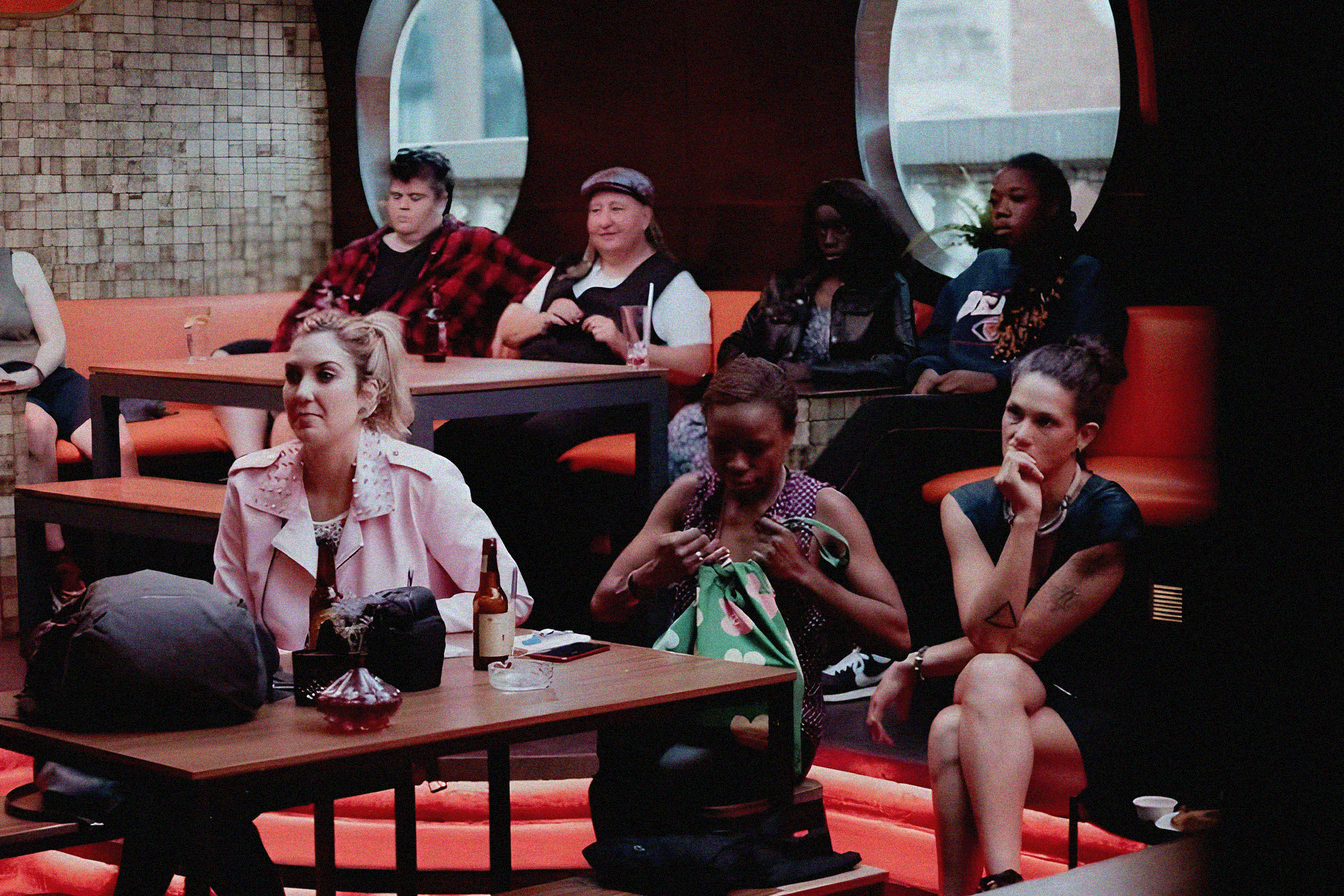
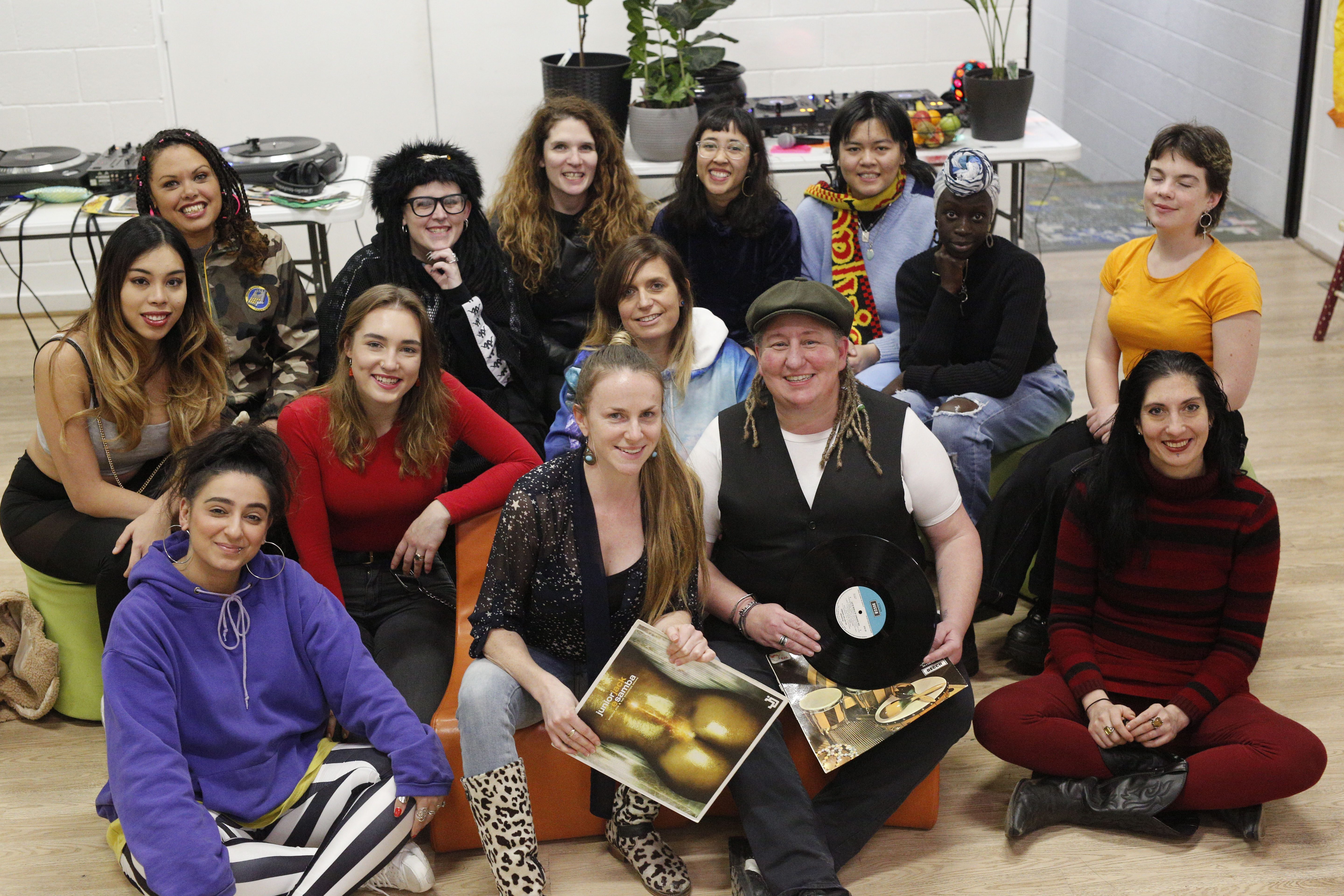
A group of femme and non-binary artists brought together by a desire to throw events that challenged a “boys club” culture in their city of Naarm/Melbourne, the group has, in its decade of existence, transformed the lives of many young artists it’s touched.
Though the group has run hundreds of parties across dozens of venues in its city, Vinyl Vixens has become known predominantly for its incubator programme and community outreach initiatives. That includes partnerships with the likes of Yarra Youth Services and Creative Victoria, as well as a wide variety of FLINTA-focused livestreams throughout the early days of the COVID-19 pandemic. Its participants speak for themselves also, having worked with the likes of Stev Zar, DJ Luv U, In2stellar, Afrodisiac, Chiara Kickdrum, Slam Ross 1000, Tinika, Rakhi, Mabel, Monique Tya, and many more.
This weekend, Vinyl Vixens celebrates its 10th anniversary at Trainscenendce in Collingwood, featuring four crews across four floors. To reflect on a decade so far, and why its mission has, since the beer garden brainstorm that kicked it all off, still remained so crucially relevant.
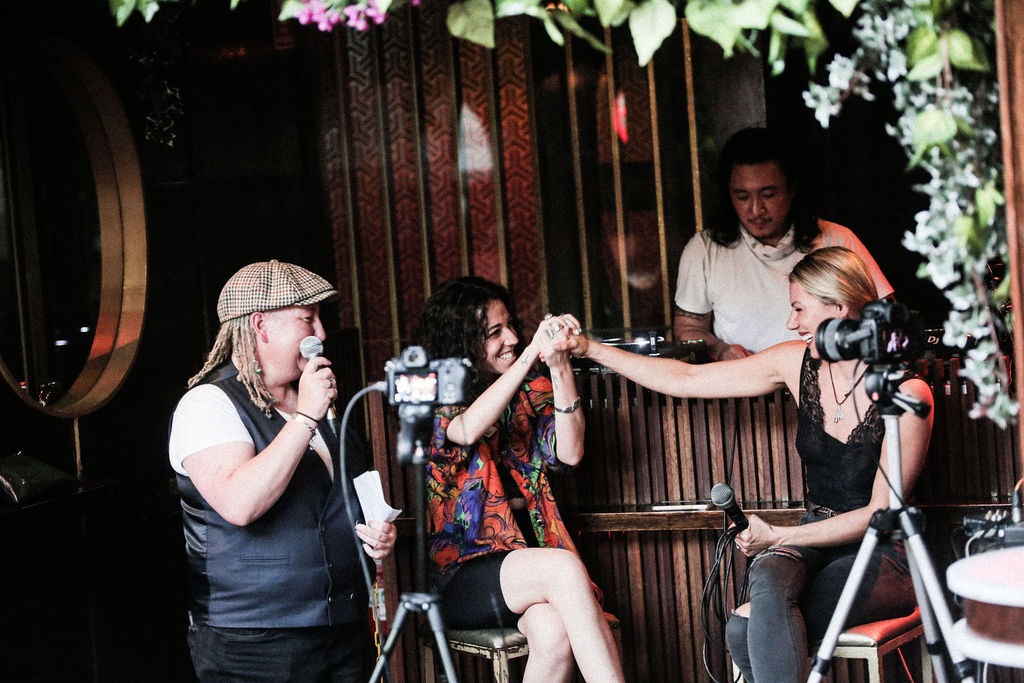
Q: Gabrielle & Anna thanks so much for taking the time to speak with us. Vinyl Vixens started as a “beer garden idea”. Can you give us more details about what sparked that original conversation?
VV: A few days after New Years the two of us caught up in a beer garden, Sal Stormer was there as well. We were all asking each other how our New Years’ had been and Anna was reflecting on the entertainment she’d seen - the music was great but the DJs were men.
Over a few beers, Anna shared how she would love to see an all-female lineup and how different that might feel to attend. She said, “I wanna start a fem DJ collective and call it Vinyl Vixens”.
So, we got on the blower, started getting in touch with all the other female artists we knew, asked them who else they knew, and slowly but surely started rounding up the troops. Both of us play records sometimes, but there is often a bit of disappointment if people assume it’s a vinyl only crew - we are polyamorous vinyl lovers, and support all forms of DJing, including the digital ones.
Vinyl Vixens is just such a cool name.
Q: Did you imagine back then that it would still be thriving a decade on?
VV: No, I guess you joke about grandiose plans to take over the world, but honestly, we just thought it would be cool and didn’t realise the depth of what we were doing until we were deep in it!
We weren’t even sure if it would take off as a concept back then, and I think it is wonderful that it has not only thrived but also inspired other like-minded music lovers to create their own crews.
Q: Unlike parties or promoters, Vinyl Vixens and collectives like it are inherently tied to the idea of longevity, given their focus on support, education and equal opportunity. How has that idea influenced the way Vinyl Vixens has operated?
VV: The ethos has always been about getting to know our community and adapting ourselves, and wherever possible the scene to enhance equity.
Asking the questions: which venues are open to adapting and being more supportive? How can we support them to do that? Which artists or people who would like to be artists but maybe feel some barriers to participation, maybe need some support and encouragement to feel like this is their community, their scene too, and that their story and their art will enhance others’ lives around them?
Support for female and non-binary people and equal respect behind the decks were the original aims, and parties were just one fun tool in our belt to get that movement happening.
Q: You’ve said that at the time of VV’s origination, that DJing was “a boys club”. Do you think that’s changed?
VV: In some respects, yes, there has been positive change and there is still room for improvement. I really do see that a great amount of change has happened locally in the past ten years, not only in numbers in line-ups, but also in women & gender-diverse artists running shows, labels, and brands. They are arriving at the negotiating table with the right questions, diversity riders, clear intent, and confident communication. That just wasn’t really the case back then, at least not in a widespread way. We had to go looking for each other, which is what we did with Vinyl Vixens. Back then, being the only woman on the lineup was very normal, and now most artists wouldn’t accept it, so yes, it’s really changed.
In saying that, that change is local and ground-level, and we know there is a lot of dark stuff that has been going on in the dance music industry. Even through this project, we have heard many horror stories, the types of which now come to light in the media, such as what is being referred to as Techno’s ‘me too’.
Things are coming out about repeated abuses all over, so we wouldn't say it is all fine now; unfortunately, there is still plenty of work to do. But the connectedness we build enables some artists to move forward in their engagement with those issues, knowing they have an army of supportive femme & non-binary artists behind them, so it makes a big difference and will continue to do so.
Q: A huge guiding light for VV is its mentorship. Why do you think mentorship is so important in musical spaces, especially for people identifying as women or non-binary?
VV: The research is pretty clear when it comes to representation and confidence. We see someone like us doing it and we feel like we can. And so it’s really intersectional, being able to see women, being able to see trans people, being able to see people of colour, doing the thing you want to do.
Q: Why was it so important for VV to expand beyond its club nights into more educational spaces?
VV: We know even from a young age, girls get left out of STEM activities, and in terms of professional capacity, women underestimate what they can do. So having someone like you, supporting you to do what you want to do, that’s what we are all about really. And it has been such a joy to see people’s growth when they’d given the right conditions to thrive.
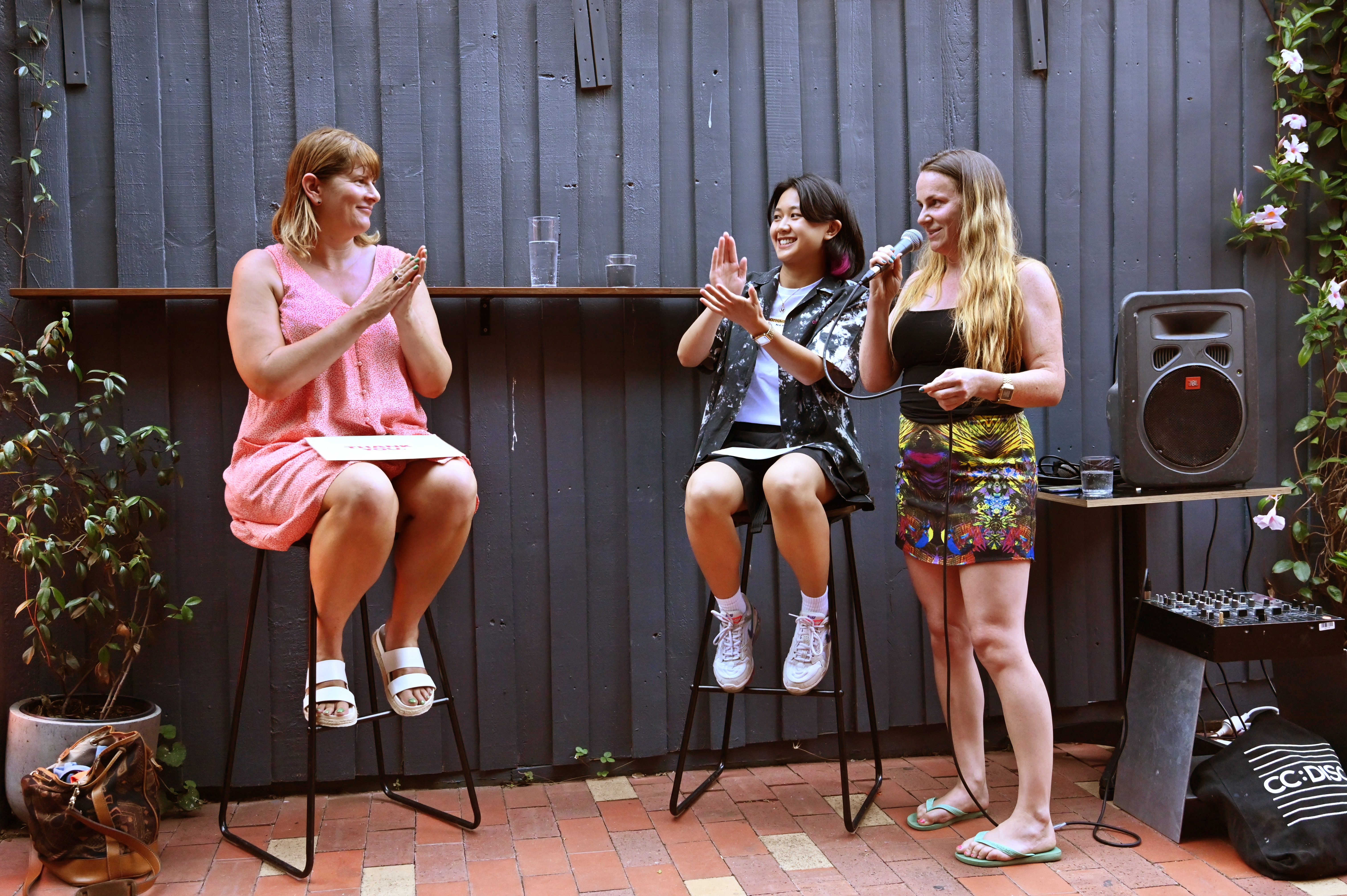
Q: Are there any VV-associated artists whose journeys you’re particularly proud of or inspired by?
VV: We are proud of and inspired by every female and non-binary artist we’ve ever taught, supported or shared a lineup with, or had in as a guest mentor. If we have to name drop, Mon Franco, Rakhi, Lizzy Nice, Stev Zar, Apolett, Mabel. Look, we would never take any credit for their journeys; these artists carved everything out for themselves 100%, but just seeing what they have done and how much growth they have shown, and the number of young artists that look up to them and all they are achieving. We are honestly proud of everyone who has ever been involved!
Q: What do you think allyship looks like in music spaces today?
VV: We have never been about excluding people, and for me personally I had so many cis men who had supported and encouraged me in the DJ world, without allies we would have almost like segregated scenes. There is an importance really, when you recognise you have power or privilege, using that to stand up for what is right, and say people’ names in powerful spaces where they aren’t currently getting access, that stuff changes the world. Musically or otherwise.
Q: Have you noticed audiences becoming more conscious about representation and inclusivity on lineups?
VV: Massively. Like, we are always trying to grow and evolve, and I feel sure we have got heaps of things wrong, but it is beautiful to see that diversity is a core value in the Naarm scene these days, and people will say that something is lame and boring if it doesn’t have it.
Q: Do you think we’re having conversations around inclusion & equality in the right ways, or does something need to change?
VV: Depends who is “we”. I have heard as you go up further in the upper echelons of the industry, into bookings, agents, festivals, directors, A&R, there are less and less women & gender minorities and look I imagine less people of colour as well, so what we do on a community level does impact but we need to ask for transparency and diversity in the bigger organisations than run the larger infrastructure, not just in line ups of DJs, so that the values we hold at a community level, we ask for those to be reflected in bigger business in this industry.
Q: What are some misconceptions people still have about femme and nonbinary DJs and producers?
VV: That they’re not as good, that they have ghost writers, that their boyfriend helped them, it blows my mind because there is nothing about music that is inherently gendered, so other than societal exclusion from STEM education or dangers of predatory nightclub environments, what is there preventing a woman or non binary person from being an amazing producer?
Creating music and holding space for a crowd, these are things women are naturally amazing at. I think people are good DJs when they have both a story to tell, and an empathy for the people in the room. Those are not higher capacities in cis men than everyone else by any means. In my view.
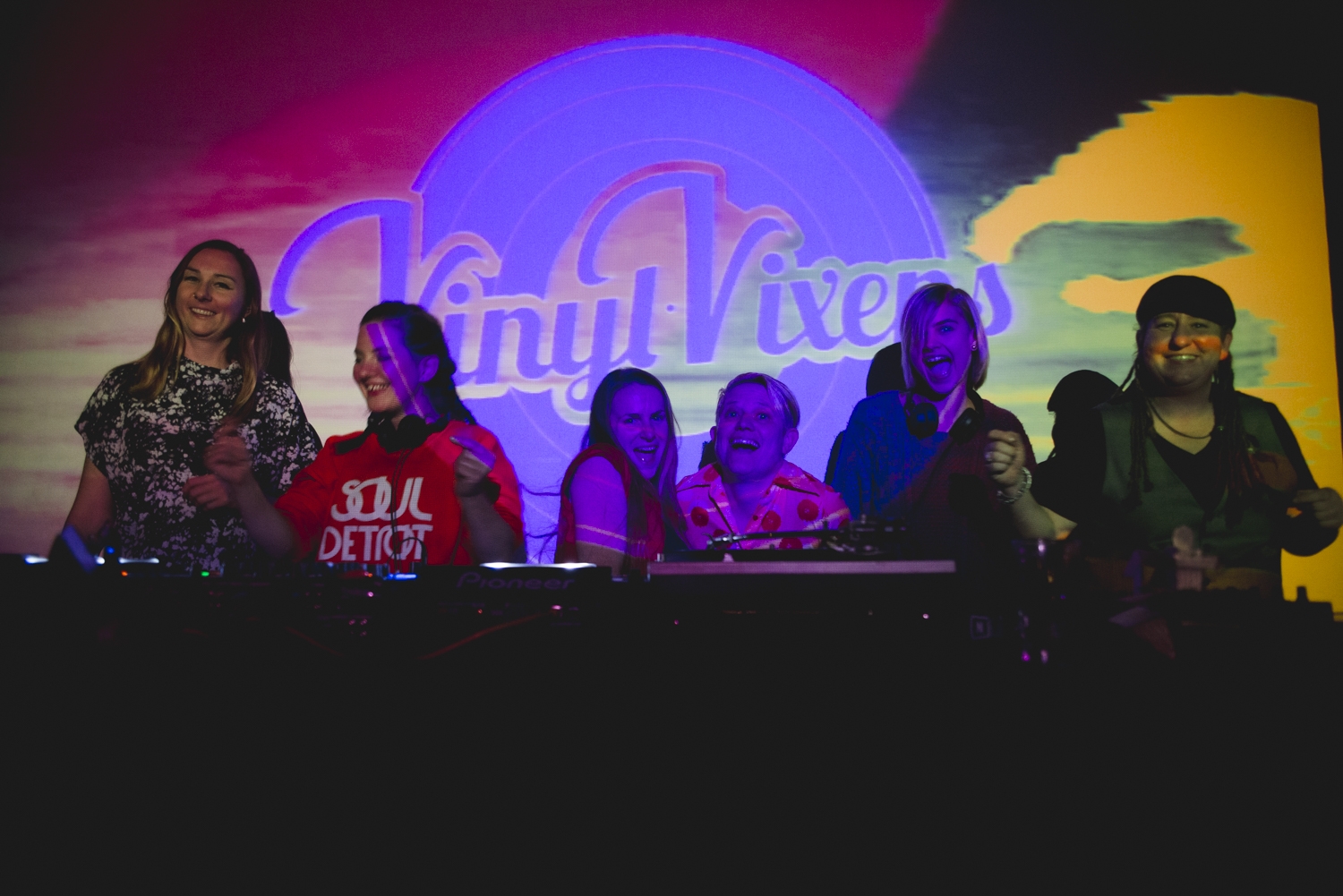
Q: Why was it important to celebrate VV’s anniversary by bringing together multiple crews and collectives?
VV: Oh this was a big one, because the whole ethos of Vinyl Vixens was always about bringing people together to connect and support each other so we are absolutely thrilled to be able to do that in this way, maybe there has never been a party like this, but I really believe the communities represented in this party have so many intersecting values alignments and there will so much joy and good people in one building, I can’t quite express how happy I am about it.
It has always been that way. Our launch and landing party in 2016 showcased 16 artists over 16 hours across 2 days. Since those events, we have supported each other, collaborated on many projects, and celebrated successes. Change becomes reality when people collaborate and share a vision.
We actually had a list of about 50 crews originally. We wanted to have everyone, but in the end, close friends, close allies, people we respect and are excited to party with will be there.
Habibi Hafla doing a fundraiser for mutual aid for displaced families in Lebanon is such an important thing right now, it can be hard to even conceptualise partying at this time some days feel so dystopian I guess, so having them say yes and just on board and still want to support our initiatives and contribute towards our celebration I take that as a deep sign of respect and I appreciate so much we can have them and their amazing artists on the ground floor as people arrive. MzRizk has done amazing things in her career and has always been super supportive of Vinyl Vixens, so having her on board to present that room is an honour for sure.
Ay Ay Ay Amigos is a project I (Gabrielle) am part of with another artist Muiscaya, who is one of my favourite local DJs. Local in the sense of living here for many years, but also from Bogota. She and I both lived in Buenos Aires for a while, so when I (Gabrielle) met her, and we had similar tastes, we had to make a duo; we just had to do it. And our parties are always cheeky and have a little bit of that Latin and Caribbean flavour to them, but also grooving and underground House and Tech sounds too, so that floor is having SHake It Melb twerk dancers, some other great DJs and has a Jacuzzi on the balcony, so it will surely be wild.
The Vinyl Vixens Djs will be on the rooftop trains which look out over the city, and Miss Jade who had really dominated the world of psytrance, where she had been such an icon and a powerhouse in a male dominated genre and she has always gone in full fem power, and I think many women in dance music look up to her, so honestly everyone involved in this party is my hero.
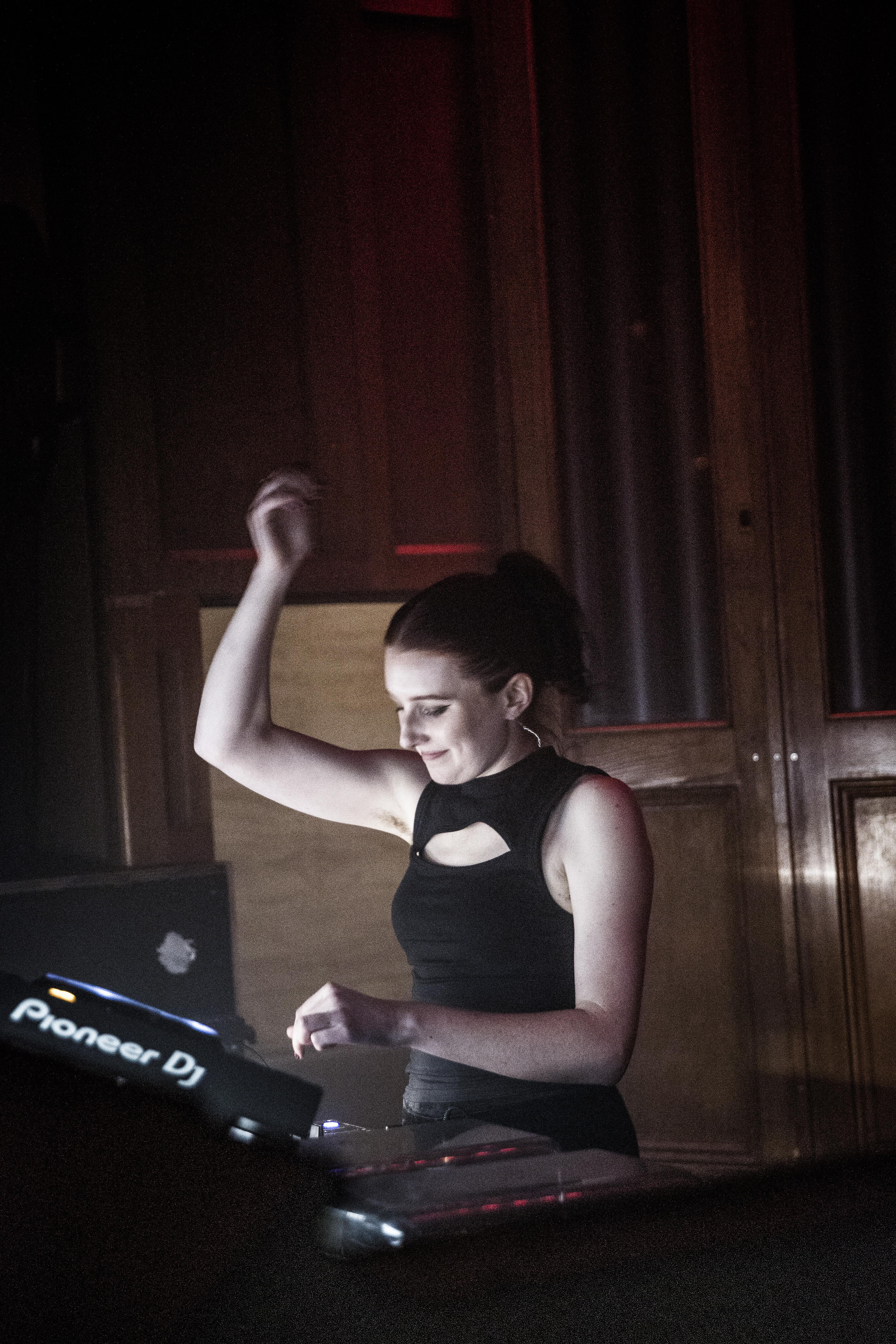
Q: What are you most proud of when you look back at VV’s legacy to date?
VV: People who were too shy or too scared to get out there and have a go, and see dance music as something that is for them.
Q: What do you think the next decade of Vinyl Vixens could look like?
VV: The funny thing with intersectional feminism, or any community development work, I guess you wanna eventually not have a job. Not in the sense that we don't want to have jobs as DJs! We will always want that!! But in the sense of how good it would be if people didn’t have to work so hard for a place at the table? If the table, or the decks as the case may be, had a place for everyone who wanted to express themselves & share their sound? That would be a nice thing to see in ten years' time.
-
Tickets to Vinyl Vixens' 10th birthday celebration are still available.
-
Jack Colquhoun is Mixmag ANZ's Managing Editor. Find him on Instagram.
