


 CULTURE
Venue Spotlight: Carriageworks
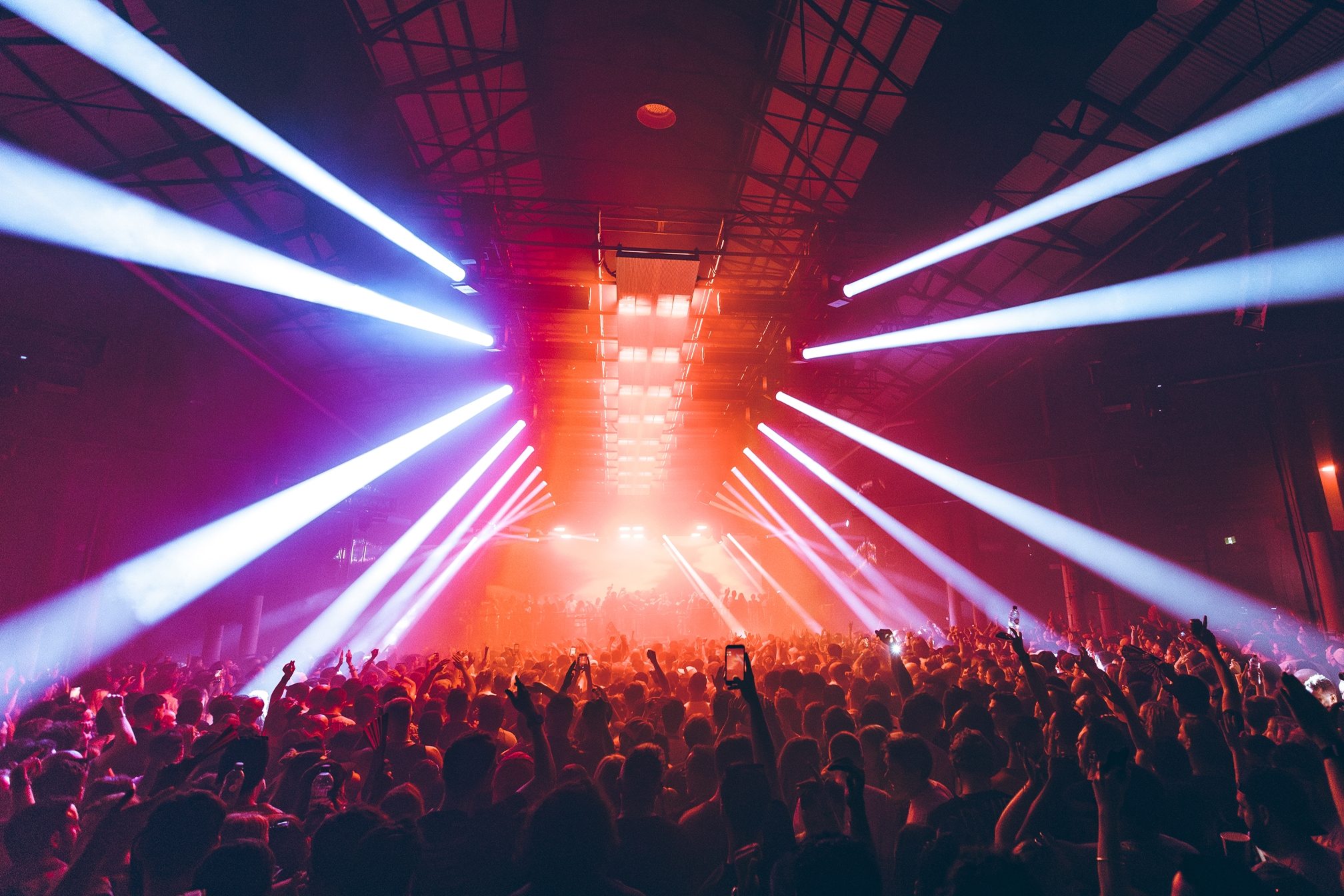
One of Gadigal Land/Sydney’s most iconic spots, Carriageworks has long been a supporter of music, art and culture a little left of the zeitgeist, to great effect.
THIS ARTICLE HAS BEEN WRITTEN IN COLLABORATION WITH EAR PROTECT, PARTNERS OF CARRIAGEWORKS.
The word ‘warehouse’ in the context of modern music has, in many circles, become as diluted as the word ‘rave’. A warehouse is, in modern nightlife, more of a description of a style of an event, rather than a categorisation, much like the term “boiler room” or “Berlin techno”.
As a result, it can be increasingly easy to underappreciate exactly what a good warehouse space can provide.
We may look to the likes of Printworks, Manchester’s Warehouse Project or the huge car manufacturers of Detroit with an air of jealousy, and for the most part, with good reason. Perhaps the most obvious is the availability of world-class acts in these spaces. A dedication to music, sound and lighting that is, thousands of kilometres away, in relatively short supply.
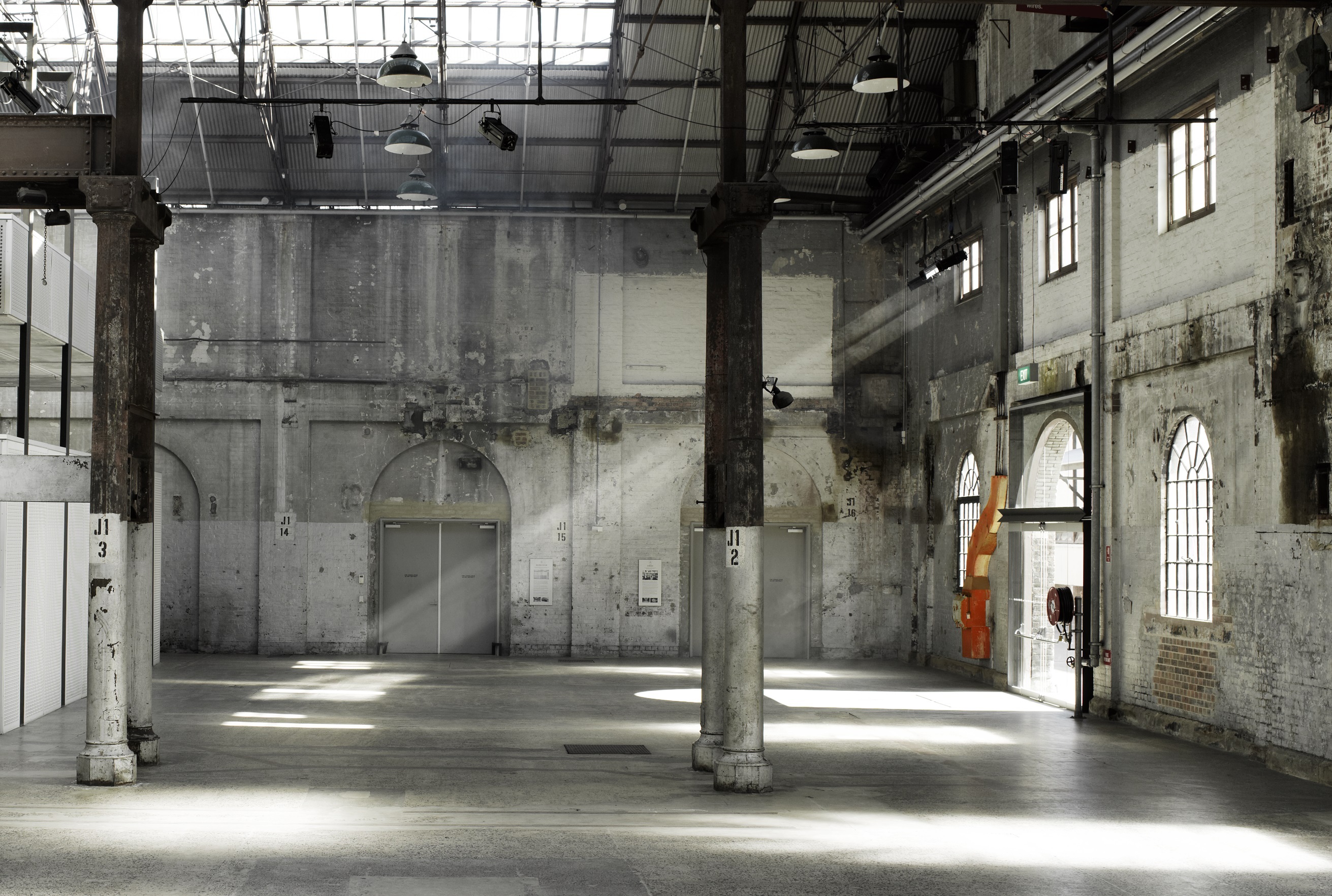
Carriageworks, originally built between 1880 and 1889 as part of the Eveleigh Railway Workshops, helped shape the development of its hometown for over 100 years by building, maintaining, and exporting locomotives and carriages.
In 2007, the site was redeveloped as a cultural precinct, and now stands as one of the city’s most premier spaces, housing countless festivals, international acts and local up-and-comers across its almost two-decade history.
In recent years, the impact of dance and electronic music on its programming has become clear. From takeovers by the likes of Moktar, Andy Garvey’s Pure Space label and Mall Grab’s Steel City Dance Discs last year, to hosting Soft Centre and Finely Tuned’s THE WORKS series, as well as its recent partnership with Ear Protect to prioritise the hearing safety of its punters, the venue is clearly moving forward with electronic music front of mind.
To celebrate its legacy and look to the future, Mixmag ANZ secured a moment of Carriageworks’ Music Curator Tom Supple’s time.
Q: Carriageworks has long been a cultural icon in Sydney, but what do you think makes it stand out compared to other historical institutions?
TS: I honestly think that’s difficult to answer.
It can be very difficult to convincingly pin down what truly makes an organisation special. There’s often an unexpected amalgam of elements that coalesce to make something so beloved by a community.
Sydney owes a huge debt of gratitude to those who came before us, whose incredible vision ensured this building was enshrined as a home for art-making and culture. The unique mix of heritage architecture, versatile performance spaces, its location in the Inner West, and its connection to artistic communities make it the envy of the rest of the country.
Carriageworks is, a true sum of its parts, the range, scale and versatility of the building’s spaces mean that it is constantly being reimagined - from intimate theatre and dance performances in Bay 20, to 5,000-person live music shows in Bays 22–24, and the weekly Carriageworks Farmers Market, alongside major cultural moments like Sydney Writers’ Festival and Vivid Sydney.
Q: The venue has an incredibly rich history, originally a railway workshop built in the late 19th century. Is that history still relevant to what the venue is doing today?
TS: I don’t think there’s a direct connection between the history of the building as an industrial workshop and the specific nature of the programming that takes place in Carriageworks today.
The connection comes from the adaptive reuse of the buildings. The impressive scale of the spaces built to service and repair steam engines lends itself so beautifully to presenting work at scale and to gathering en masse. We don’t tend to prioritise space in our cities or create new space at this scale, so adapting them to suit the needs of modern communities is a fitting way to increase their value.
It’s also impossible to replicate the unique character and patina of a space that has been used by humans for so many decades. The echoes of this past are still clearly visible and make up part of the unique backdrop for the performances we present.
Q: How has Carriageworks’ vision for music programming evolved since its redevelopment in 2007?
TS: I’ve been working with Carriageworks over the last 5 years, so it’s difficult for me to speak for the intentions of the past.
However, Carriageworks’ approach to music has evolved from occasional ad hoc events into a consistent, year-round program, making music a central part of its vision for the future.
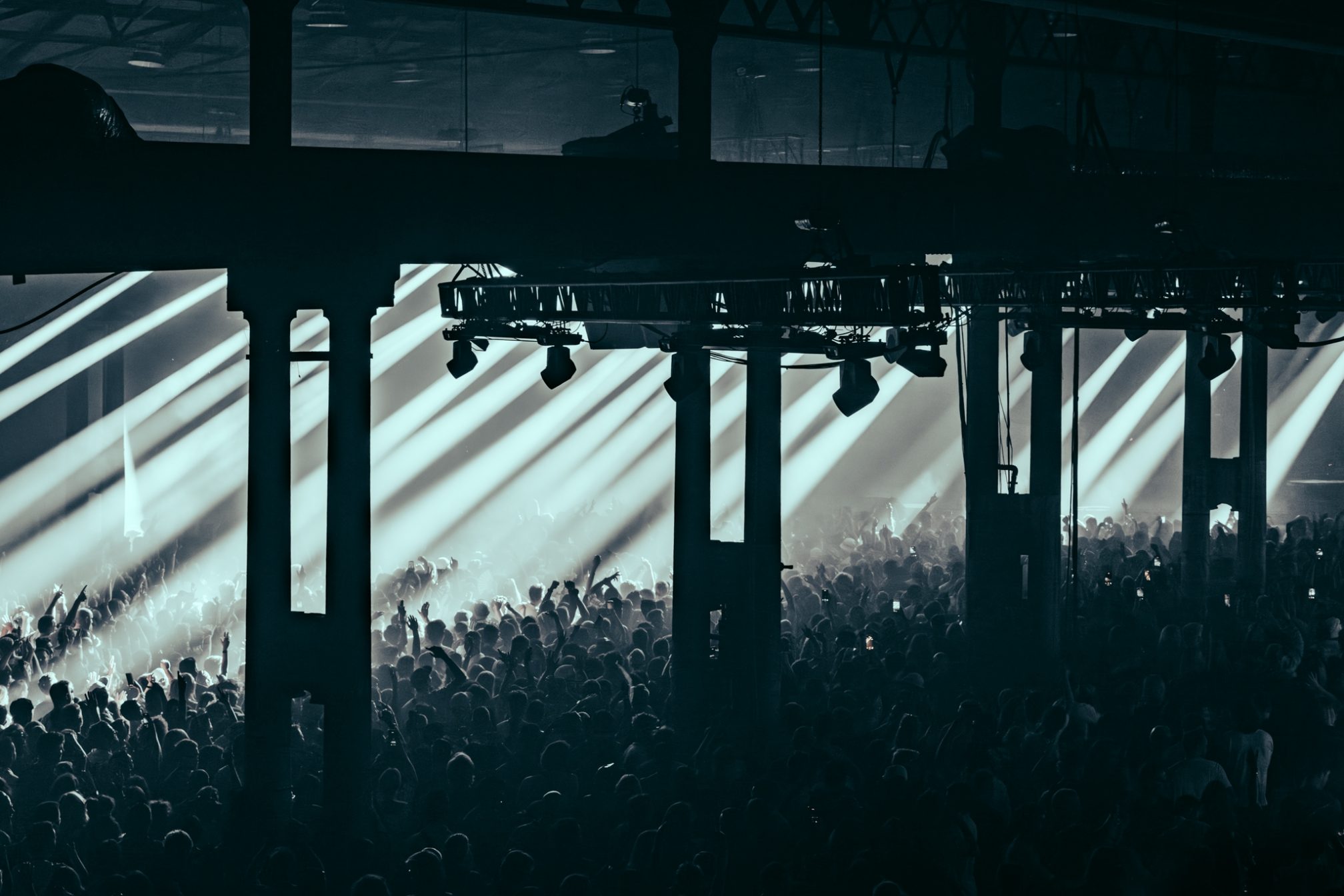
Bays 22-24, for example, went from hosting just a few ad hoc gigs (Rüfüs Du Sol, FKA Twigs, St Vincent) to hosting consistent seasons of large-scale music events across the year. We’ve also been able to capitalise on the growing demand for and strength of electronic music, which is so well-suited to our space. We’ve hosted huge international acts like Jamie xx, Sara Landry, and Underworld to sell-out crowds.
Ultimately, there’s been a shift towards a more sustainable commercial approach to delivering music, so we can present large-scale concert experiences while maintaining a strong local and grassroots focus by funding important program partners like Awesome Blak.
Q: How do you view the role of international artists versus local Australian talent in your lineup planning?
TS: We do our best to ensure we provide a platform for Australian artists across all our curated programs. With Vivid, for example, there has been a strong focus on profiling the various facets of the local electronic music scene. From X Club (2024) to Mall Grab (2025), we’re continuing that trajectory with 2 big local acts in our 2026 program.
Ultimately, though, it’s about scarcity and artist profile. When booking a venue at the scale of Carriageworks, there’s a very specific calibre of artists who have a sufficient audience to demand such a big room. While we’d love to book Australian acts wall-to-wall, the pool of international talent that fits our venue stylistically and profile-wise is much larger.
Q: Could you walk us through your curatorial process, from identifying artists to shaping an event concept?
TS: There’s no real magic to it, unfortunately. While we have a wishlist of artists we’d love to play the room… generally speaking, the curatorial process starts in conversations with the various players in the music ecology. We discuss a specific opportunity with a network of local promoters, international agents, and Australian-based artist managers, and talk about artists who could be available during that period. Then we research their audiences, past tours, and streaming data to assess whether they are a suitable act.
Q: Carriageworks has become a vital space for electronic music and experimental sound in Sydney. How have you approached building a plan around electronic music, sound, experience, and patron comfort?
TS: We approach it holistically, considering the patron experience from the moment a person purchases a ticket to the second they leave the venue at the end of the show. Working closely with our event, site, and production consultants, Architects of Entertainment, we have refined our approach to event design over the last few years. From PA and lighting design to venue entry and flow, bars, food, and other amenities, every detail is considered to make sure audiences and artists have the best possible experience.
Above all else, listening is key - both to audience feedback and from our artists. This helps us continually refine and elevate the experience.
Q: You've partnered with Ear Protect for your music program. What made that partnership feel like the right fit for Carriageworks and its community?
TS: We wanted to make sure that when people come to gigs, there’s something practical and accessible on the ground to help protect their hearing - so everyone can enjoy the music safely and comfortably. Partnering with Ear Protect felt like a natural fit for Carriageworks and our community because it’s part of our broader commitment to audience wellbeing.

Q: Carriageworks is a venue that has earned the community's real trust. How have you built and maintained that trust over time?
TS: It all comes down to creating spaces where people feel genuinely welcome and safe, whether they’re attending a performance, market, or community event. And of course, consistently presenting world-class work across all our venues has helped people know they can rely on Carriageworks for quality, meaningful experiences every time they visit.
Q: How do you see Carriageworks fitting into its city’s landscape? Do you think you, in your role as curator, are spotlighting artists & events that will push culture, or that you’re responding to interest in those spaces & platforming them as a result?
TS: I think, unfortunately for us, the scale that we’re working at currently precludes us from breaking acts or really setting agendas for what’s in the zeitgeist… we look to our local community of artists, promoters, agents and managers to do that work. What we have is the opportunity to support this community with a larger platform, so that when people outgrow their local scenes, they have a world-class place to showcase their craft. We rely heavily on those around us, and hopefully, we’re giving enough back that they want to keep coming back to us so they can platform their ideas and agendas.
Q: What are you most excited about in Carriageworks’ future?
TS: I’m looking forward to growing the scale and ambition of our programming—strengthening Carriageworks’ long-term sustainability as a leading music destination, while creating greater space for experimental and avant-garde work. I’m equally focused on expanding into new programmatic areas to engage broader, more diverse audiences and continue to evolve our cultural impact.
-
Jack Colquhoun is Mixmag ANZ's Managing Editor. Find him on Instagram.
