


 SCENE REPORTS
Sydney Opera House's Forecourt is a litmus test for its city
One of Australia’s most beautiful venues has long struggled with spreading its wings. Its latest series of forecourt shows proves that it’s space worth giving.
Gadigal Land/Sydney is a city that has long stood between many, often not overlapping definitions of what it is. To some, Sydney is and has always been ‘the harbour city’, one of the country’s most gorgeous, revered by tourists and locals alike as a jewel in the crown of the people, and beyond that, the monarch of the day.
It’s in the minds of these Sydneysiders, I imagine, that the best parts of what makes their city are the ones visible in daylight.
Sydney went through an interesting evolution, or regression, a few years ago with the lockout laws. A topic cited online as the downfall of many a liberty in the city, and one perhaps needless to refer to here. At the core of the lockout laws, however, was the overarching suspicion and conspiracy that the waterside suburbs affected by the laws, Potts Point and Kings X, were being eyed as indisputably valuable real estate, and so their demise as a nightlife precinct was but a stepping stone to that fact.
Over a decade later, whether intentional or not, the results of the lockout laws may speak for themselves, both in their impact on the fabric of its city’s nightlife and in the availability of modern housing and pricey dining in their wake.
Sydney is a city with a trust problem.
Outside of the lockout laws, one could point to the overreach of its police, put on show with its approach to drug use, strip searching and most recently, protests. To feel free in Sydney may, to many, feel difficult.
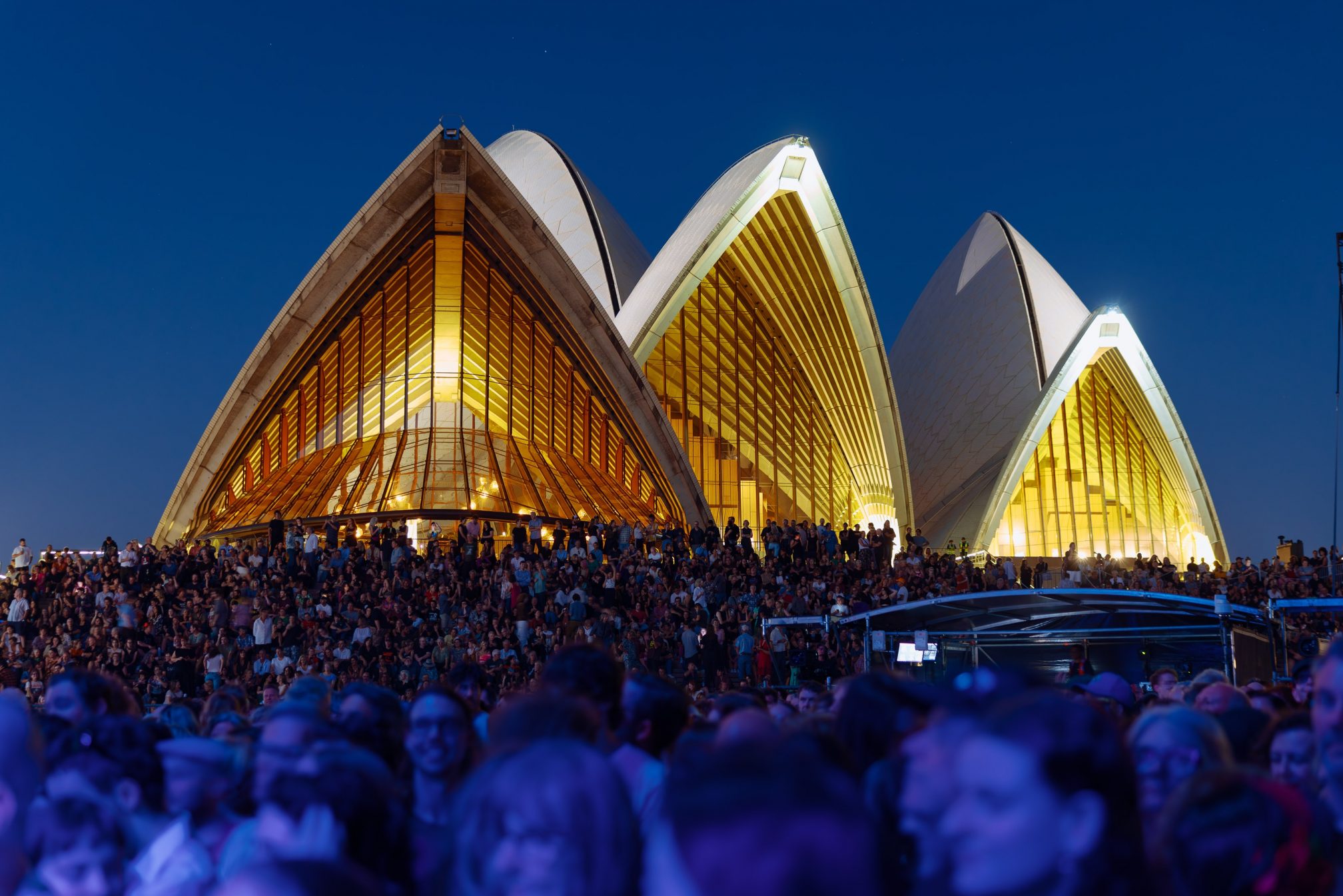
The availability of some of the city’s public spaces has become something of a litmus test for the city's cultural leanings. Perhaps the most obvious is the city’s prized possession, the Sydney Opera House.
The world-heritage-listed building, which opened its doors in 1973, has for decades served as the cultural pinnacle for many Australians. While its name might suggest a more ‘traditional’ cultural leaning, in fact, the venue has, for 50 years, placed the spotlight on a wide variety of spectacular and boundary-pushing moments.
Its first showing, right in the midst of the Vietnam War, saw Prokofiev’s epic ‘War and Peace’, performed by the Australian Opera, grace its stage. In 1985, the Opera House presented Music and Dance of the First Australians, the first major program of works by Australia’s First Nations community. In 1990, recently freed from prison after 27 years, Nelson Mandela spoke of forgiveness on the Opera House’s steps.
While regularly a stage for reflections on the progression of not only Australia but the world, Sydney’s more modern history has become one regularly defined by its wealthiest property owners. In 2015, a Florence & The Machine concert at the Opera House’s forecourt led the venue to be fined $15,000 for “exceeding noise limits in the area”.
Sydney’s long-documented descent into a broader nanny state is, for many who lived through its lockout laws, just another part of living there. Recent changes in the way the city approaches nightlife, however, would indicate that the dolphins may be slowly returning to Venice.
Among those are the increased availability and usage of public space, most notably, the Opera House’s forecourt.
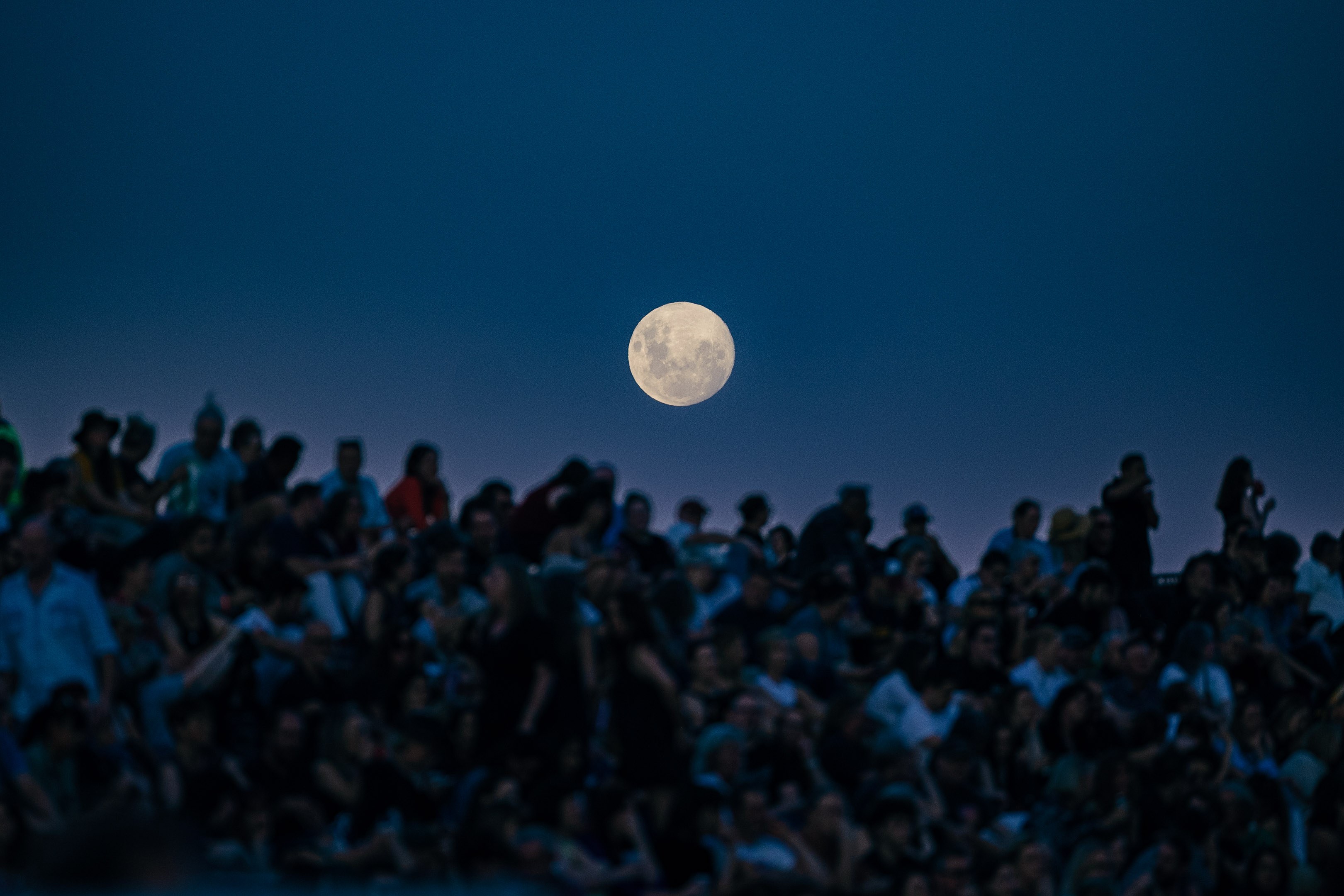
Recently, as some of the world’s most-loved musical acts appeared at events like Golden Plains and a variety of satellite festivals, the forecourt served as a local opportunity for many fans to simultaneously experience a piece of musical history and re-engage with their city. Among those acts were Grace Jones, The Streets and Basement Jaxx.
Invited by the Opera House, Mixmag ANZ was lucky enough to attend the shows by both Grace Jones and Basement Jaxx.
At each, we found a celebration of music that seemed to cross generational boundaries in ways other events simply can’t.
Grace Jones, Jamaican singer, songwriter, model, actress and one of the earliest definitions of ‘cool’ in the club kid sense, visited in February at the age of 77. Supported by New York’s self-proclaimed Afro-Electro-Disco-Space-Punks, The Illustrious Blacks, Jones’ performance was an ode to what musical appreciation looks like in a performer’s later years.
At another gig, it could be easy to see a 77-year-old on stage, hoping to hold onto what little semblance of ‘youth’ or ‘attitude’ they had in their younger years, with an air of pity. Aging ‘gracefully’ isn’t something easily taught, especially when so much of someone’s music may have existed at a time when they were a more contextually clear definition of desirable, cool or sexy.
For Jones, however, that experience was something she used to great effect, and adoration from a crowd made up of just about everyone one might imagine. Falling on the eve of Sydney’s Mardi Gras parade, all manner of punters were clearly embracing the electricity emanating from the city. Pride, trans, and inclusivity-focused flags were aplenty, worn by Sydneysiders of all ages. With every self-deprecating, horny or cheeky joke Jones made, the crowd would hum with love and adoration. “She’s so cool,” people would say proudly to one another, as Jones would complete each number in a different hat or style, paying homage to the many looks of her career.
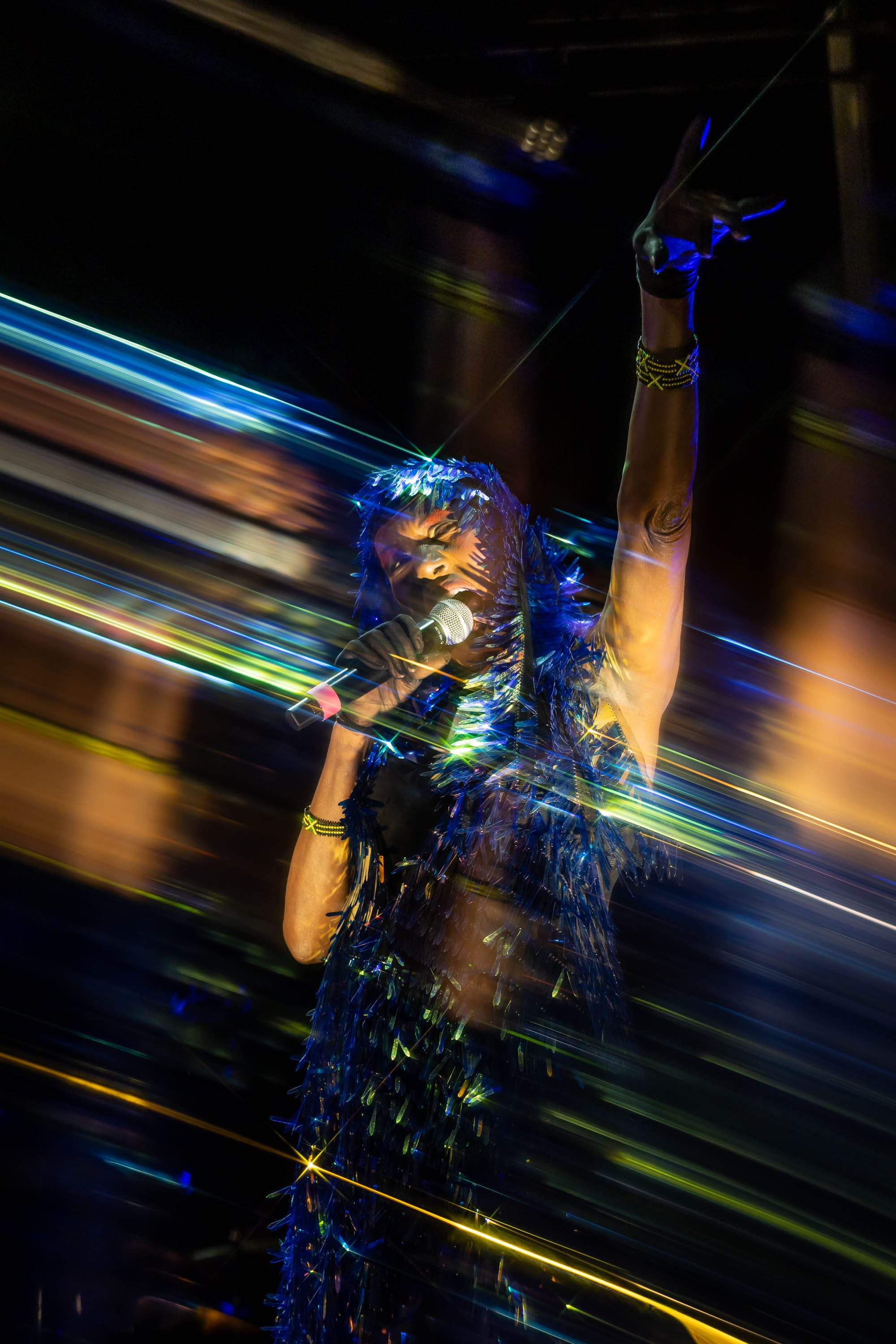
In her close, ‘Slave To The Rhythm’, done with her iconic hula hoop, Jones had the audience wrapped around her finger, before dropping the hoop and doing an extended tour across the front row, all to tell her fans she loved them.
While Basement Jaxx’s legacy is entirely different to Jones’, the feeling of electricity among those in attendance was incredibly similar. You know a group is well-loved when the crowd tries to sing along to parts with no lyrics.
If Jones’ performance was a showcase of cool as confidence, Basement Jaxx’s was an ode to putting on a good show. The UK duo, made up of Felix Burton and Simon Ratcliffe, set the forecourt alight with a show filled with all manner of accompanying singers, dancers, musicians and visuals.
In a manner incredibly similar to Jones’ night, those in attendance at Basement Jaxx were a multi-generational fan club for a group whose music touches listeners with its groove, regardless of age. For every track, there was a dedicated mass of punters ready to belt out their appreciation, or at least as close as they could get, with all manner of reactionary awe for the performances themselves.
Those performances were near-limitless, featuring costume changes by the group’s incredible three singers, ballet, synchronised sword dancing, intense hip-hop routines, and so much more. The evening was an incredible feast for the eyes as much as it was incredibly well produced.
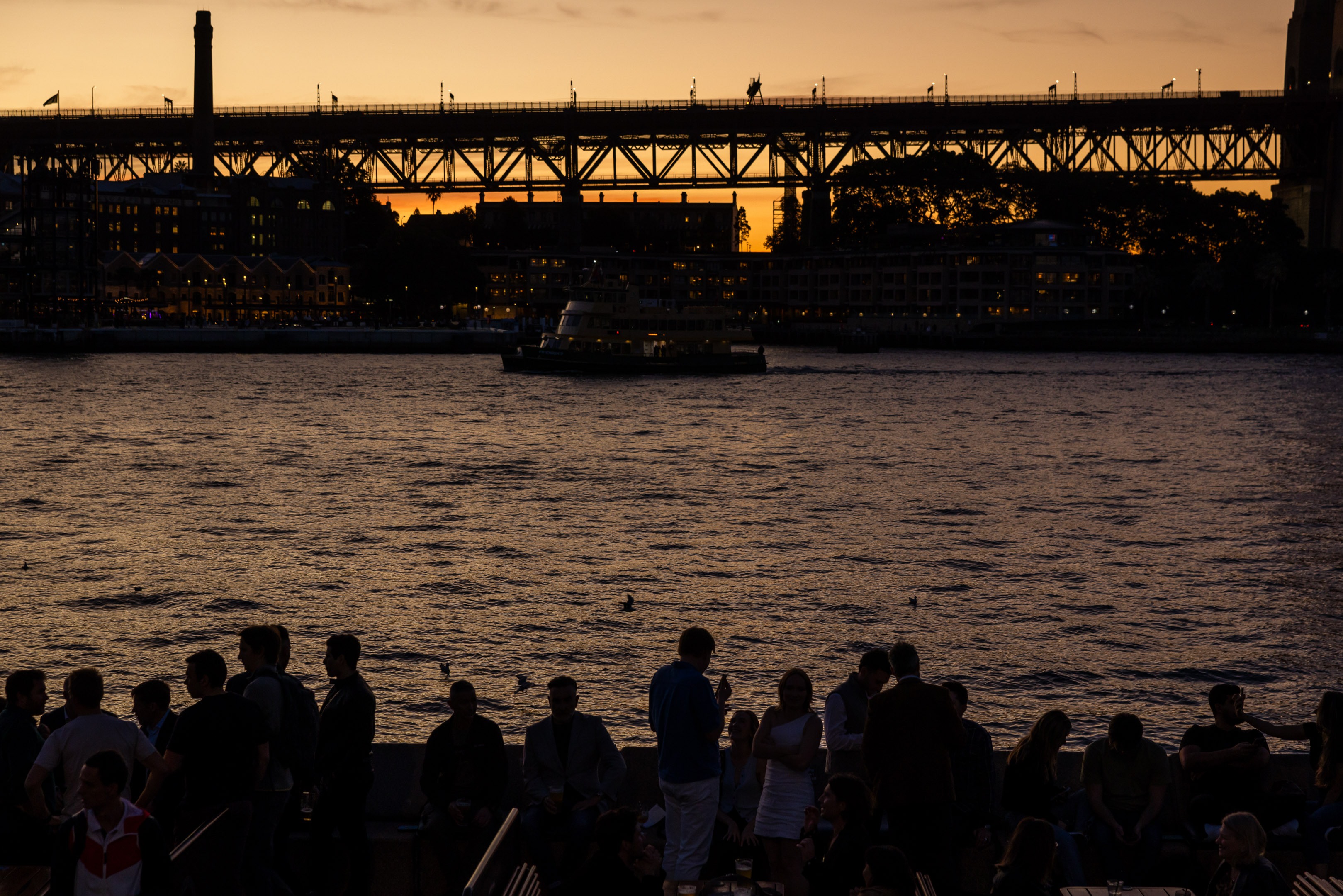
What united both performances, beyond the enthusiasm of their crowds, was the way they reflected beauty and excitement upon their city. As the sun slowly set on both, and no doubt many more in this latest forecourt series, the most attentive, excited and obvious punter was the city itself.
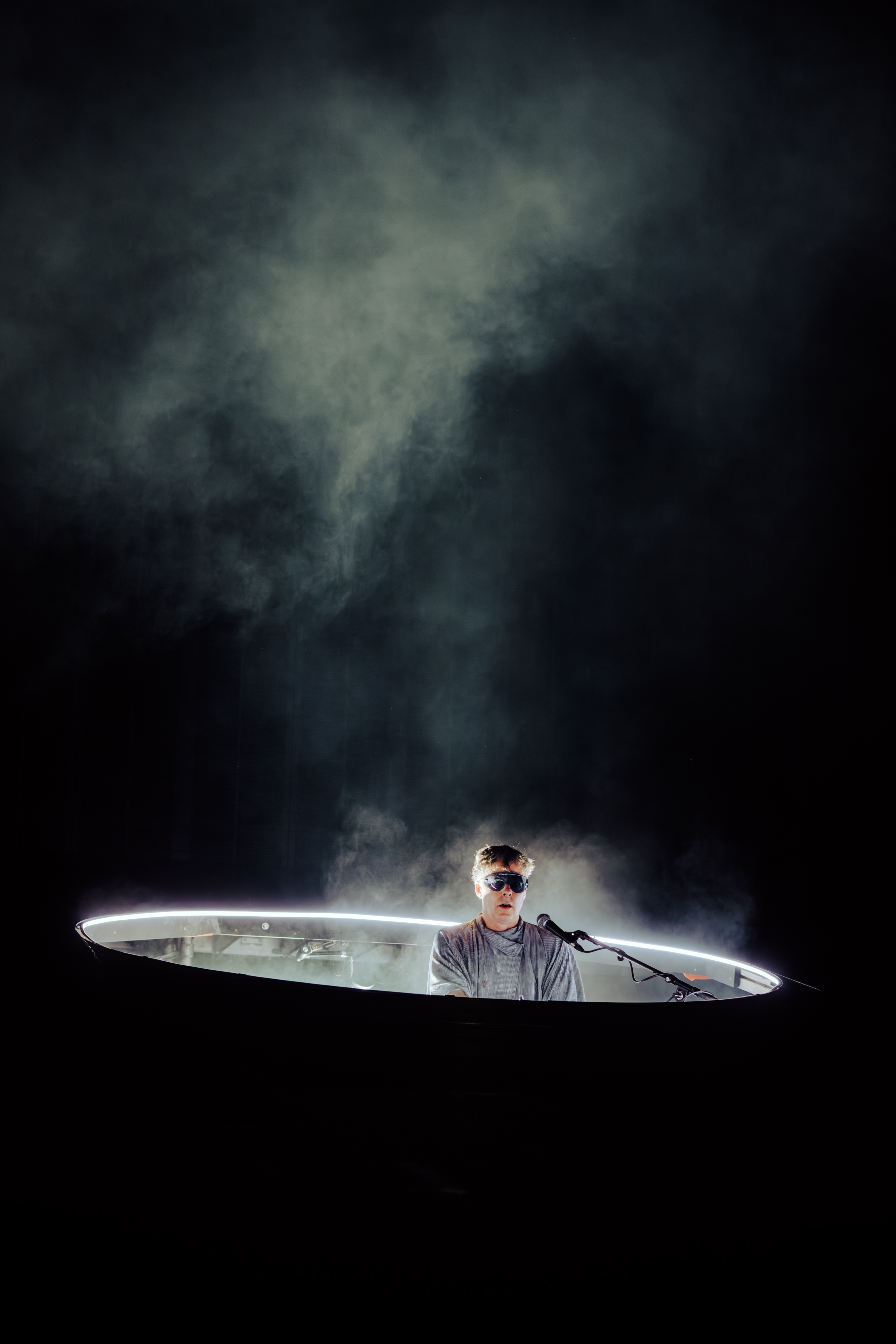
What these Sydney Opera House gigs showed, regardless of the bumps, hurdles and complaints in years gone by, was a feeling of luck for being there. There are few venues in the world that can do that, no less with some of the world’s greatest artists.
And perhaps that’s where Sydney is best set to reconcile itself, not in focusing only on its daylight beauty, but in moments where it can blur that day and night into something shared by everyone. In the glow of these shows, the city began to feel like a place that was truly lived in.
-
Jack Colquhoun is Mixmag ANZ's Managing Editor. Find him on Instagram.
