


 INTERVIEWS
Resettling the score: Hear My Eyes is a new lens on classic film
Naarm/Melbourne's beloved multi-media "hybrid artform" launches again this week with Peter Van Hoesen's take on Terminator 2. Its founder & artistic director shared some words on its journey so far.
Much like modern conversations around genre can feel like a tired attempt at categorisation, people are often incredibly eager to classify themselves in a similar way.
A person’s interests are intertwined with their identity in ways that influence their fashion choices, social life, diet and even political leanings. Similarly, such classifications can push people away from certain media. Are weebs likely to enjoy folk music? It’s not a thought I’ve ever had, and yet I’m inclined to think not.
It’s in this siloed sense of interest and curiosity that modern creative crossovers often go unappreciated. They are, after all, not 100% in one thing, but only 50%, or even less, a part of anything. As electronic and dance music becomes an even more world-shaking phenomenon, however, it's in these creative crossovers and reimaginings of where and what it should house that any preconceived notions will be rightfully challenged.
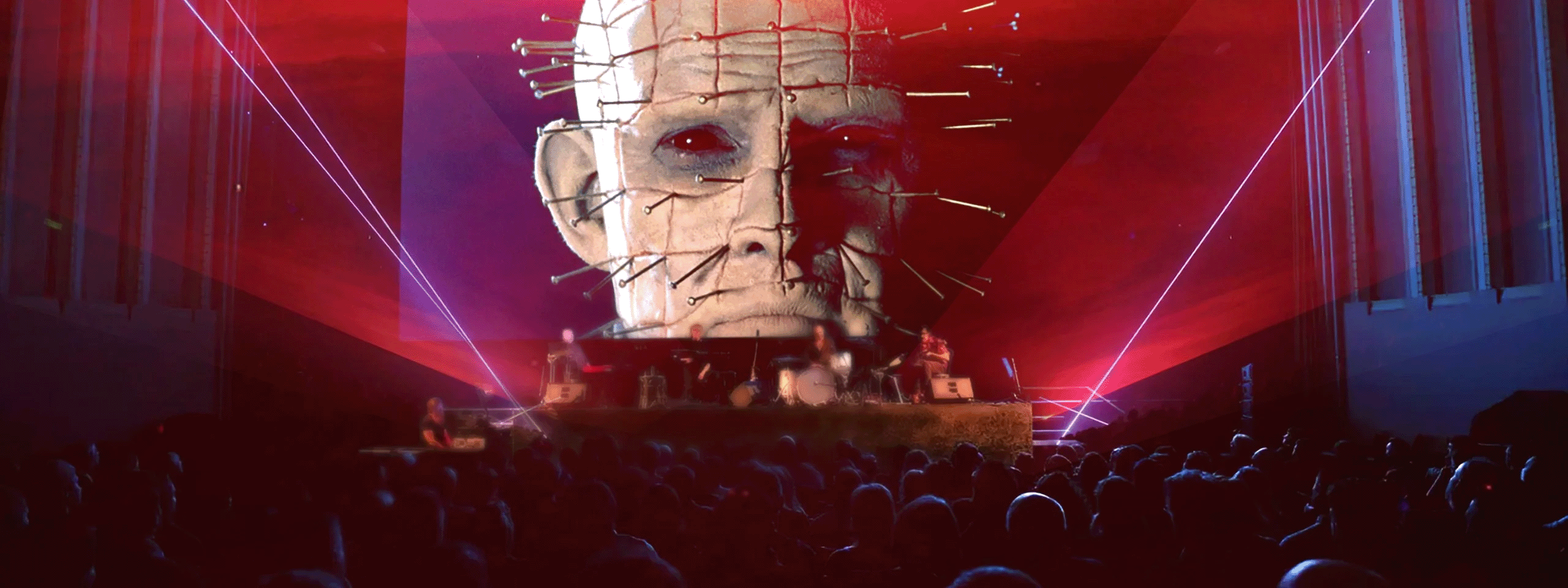
Hear My Eyes is, in its own words, “an untapped, hybrid artform.” The project, based out of Naarm/Melbourne, has, for over a decade, paired modern, often local musicians with some of the world’s largest cinematic productions to reimagine their soundtracks in a live cinema event unlike any other.
Thus far, that cinematic universe has included the likes of ‘No Country For Old Men’, ‘Chopper’, ‘Suspiria’, ‘Akira’, ‘Fantastic Planet’, ‘Wake In Fright’, and many more. Musically, they’ve tapped everyone from Sleep D to King Gizzard & The Lizard Wizard, Sampa The Great, Tropical Fuckstorm, and many others from different bands and projects, combined to form one-off supergroups.
It’s clearly no small feat. From licensing the blockbusters themselves to coordinating a perfectly timed live performance that emotionally captures and reinterprets the feeling of each film, Hear My Eyes goes about reimagining what film and live music can truly be.
For many years, their reputation preceded them in their hometown, and that success now serves as the foundation upon which a national tour stands.
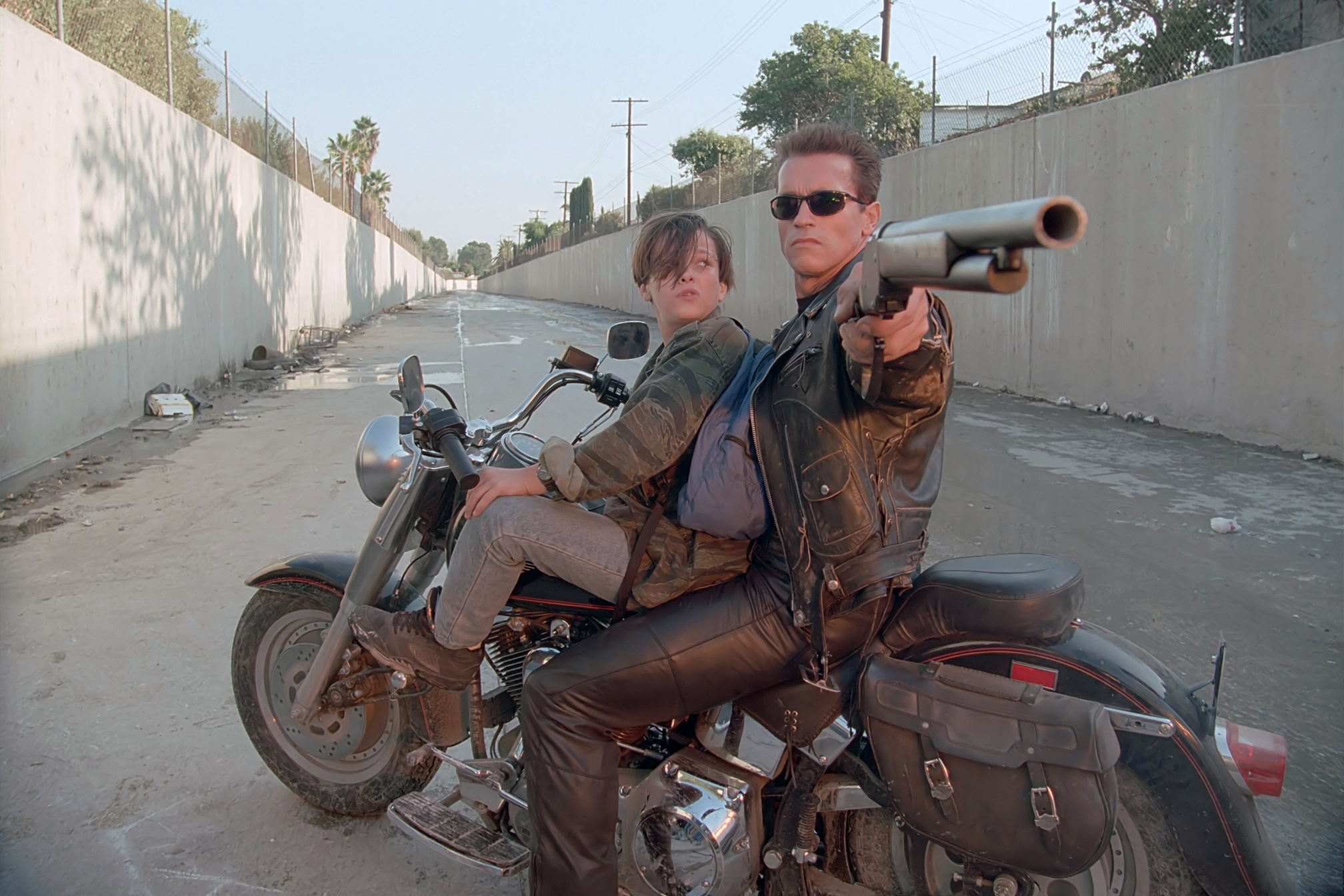
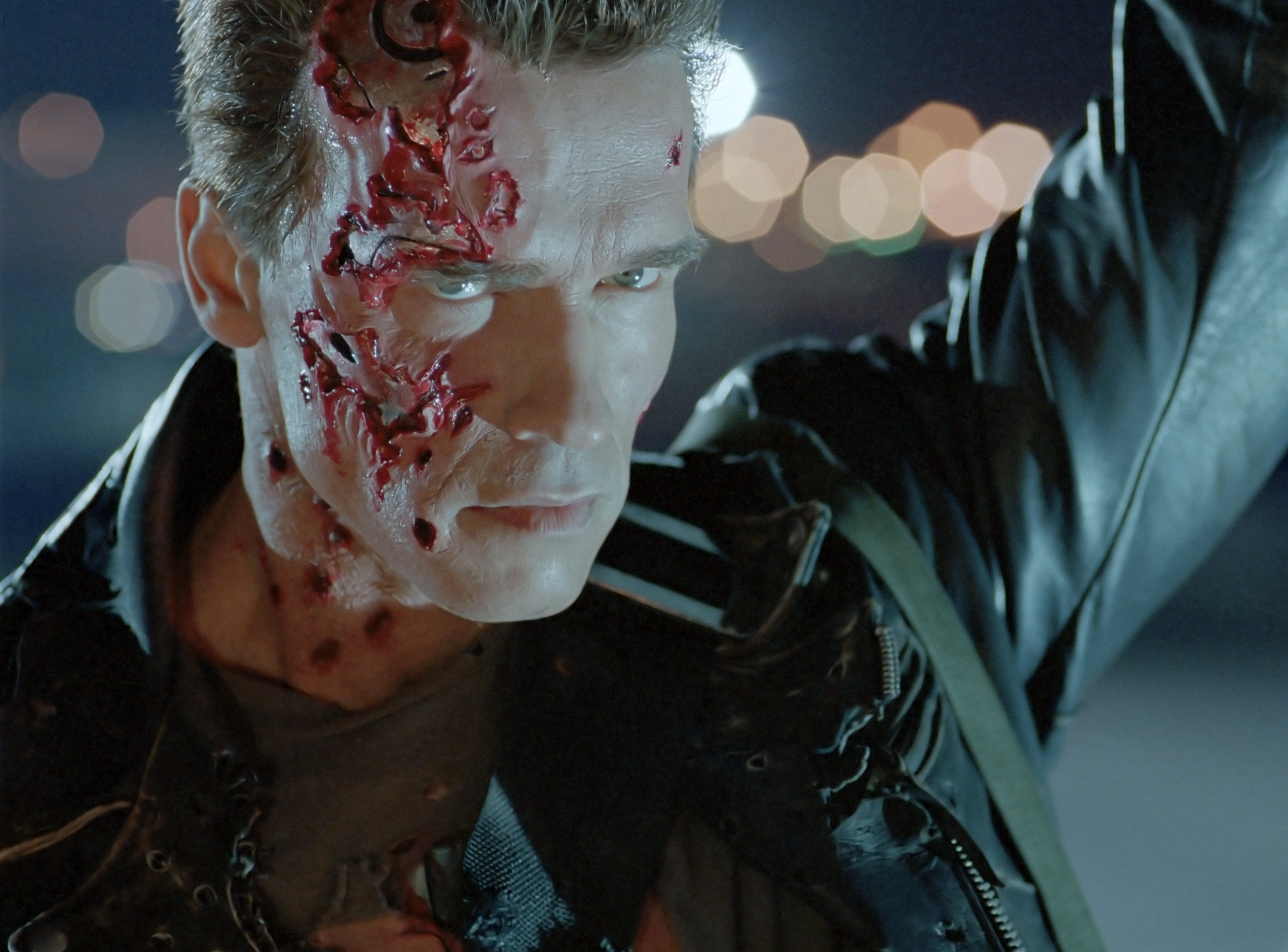
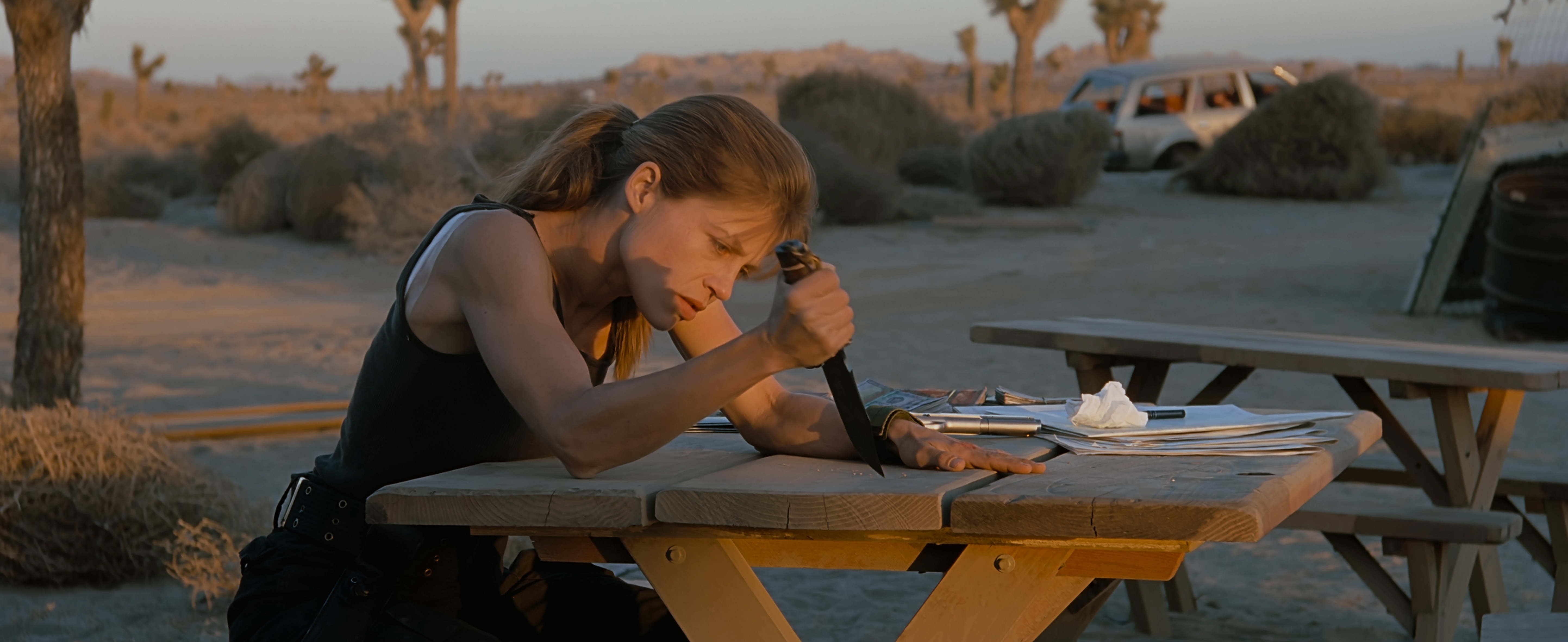
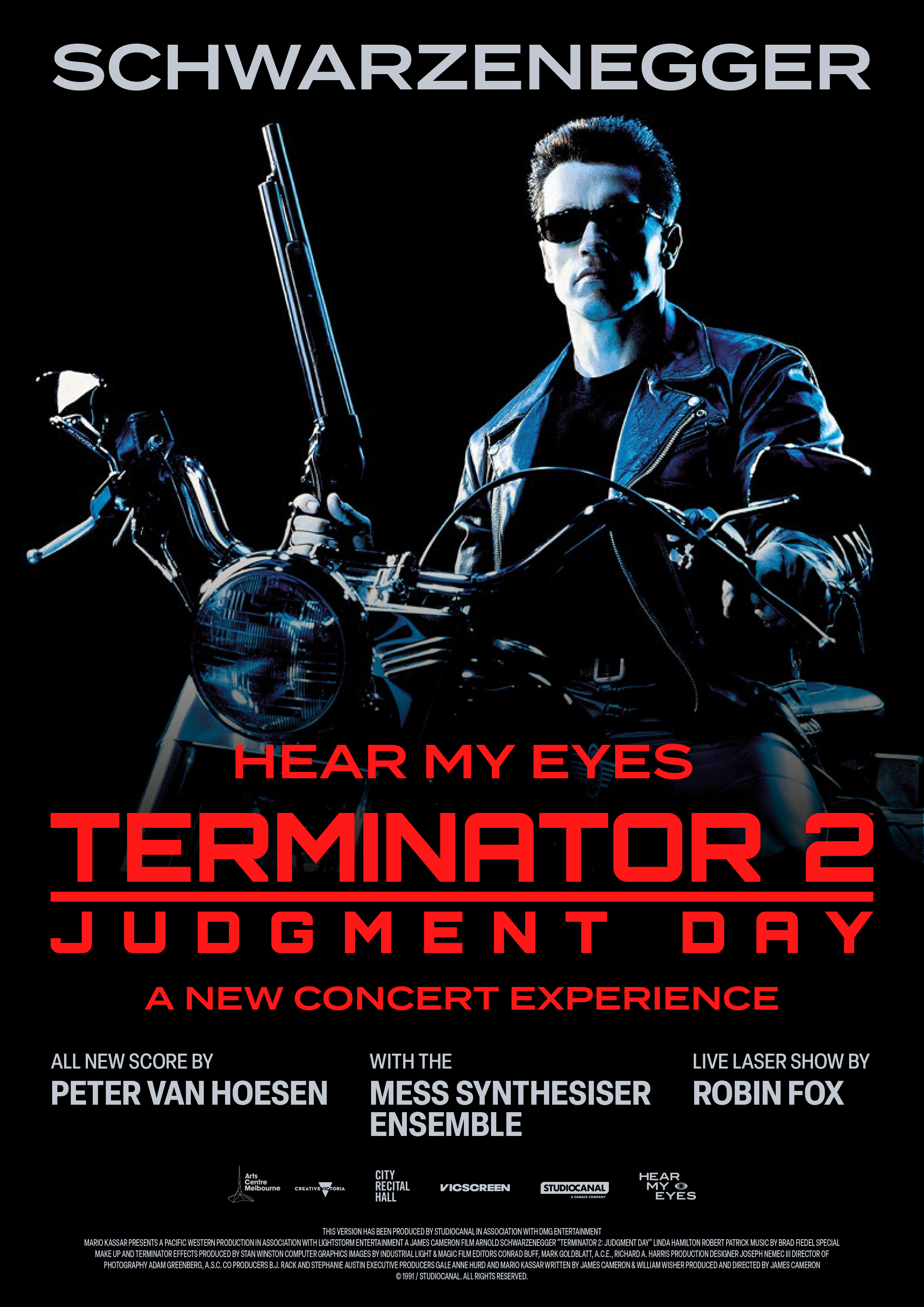
Their latest undertaking, the iconic ‘Terminator 2’, scored by none other than Belgian techno legend Peter Van Hoesen, is no doubt set to rattle the cage that many younger dance fans comfortably view dance music from. ‘Terminator 2’ itself, in an age dominated by conversation around the very technologies the film sought to warn us about, has also (sadly) never been more relevant.
With the show opening in a matter of days, Mixmag ANZ spoke with Haydn Green, Founder & Artistic Director of Hear My Eyes, to understand the roots of the project, and to get an idea of where he feels it sits in Australia’s broader creative conversation.
Q: Haydn, thanks so much for taking the time to speak with us. I'd love to ask, first off, where did the idea for Hear My Eyes start?
HME: Berlin. I was living there and went to the Babylon theatre to see Fritz Lang’s 1927 Metropolis with a local DJ playing industrial techno as a live score. I'd seen a bunch of interesting cinema projects while I was in Berlin, like the 1922 version of Nosferatu in an actual “haunted house” and Jaws on the back of a boat out on the water, but Metropolis with the techno DJ was the one that broke open something open.
I think what hit me so hard was that I'd seen the film four or five times before and thought I knew it, but the new music completely transformed how I experienced it. Scenes I'd overlooked suddenly had this emotional weight. The pacing felt different. The whole film felt different. It was like seeing it for the first time. When I moved back to Melbourne, I wanted to do my version of that, but not with silent films.
Q: What are some of the biggest misconceptions about what the project is and how it works?
HME: That we're an orchestra playing a faithful recreation of the original score. We're not. We remove the original score entirely. All of it. The dialogue stays, the Foley and SFX audio stay, but the music is gone. Then a completely new composer writes something from scratch and performs it live. So for T2, you're hearing Peter Van Hoesen's new score, which he’s written on modular synths. Not Fiedel's score performed by someone else. A totally new sonic universe.
The other misconception is that we're trying to compete with or better the original score. We're absolutely not. We're obsessed with film music. We love all of the original compositions; Brad Fiedel's Terminator scores are iconic and perfect as they are. What we do is a love letter to film music and film production. It's about creating something new, communal and ephemeral alongside these films we adore. Not replacing what came before.
Q: How do you choose which films to reimagine? Can you give us some insight into the licensing process?
HME: The curation is everything. Timeless films that deserve a gust of fresh air behind their sails. Every project starts with me thinking about removing the music, what to replace it with, and why. Then comes the hard part. Negotiating with monolithic studios for the rights to change the score.
T2 took me from 2019 to get across the line, and it’s now the first time the film has ever screened without Fiedel's score. I'm still chasing Terrence Malick and Stanley Kubrick.
Haven't landed those planes yet.
Q: How do you pair those films with artists? How did Peter Van Hoesen become involved?
HME: The pairing has to feel inevitable. Sleep D for Eraserhead. Tropical Fuck Storm for No Country. Sampa the Great for Girlhood. King Gizzard for Suspiria, daring to replace Goblin. Each one just makes sense when you sit with it. Peter, I'd been following his work for years. His capacity for low-frequency menace and searing industrial textures.
I wanted something heavy. Bigger and bolder. He immediately called Fiedel's score perfect and said he would not try to replicate it, but would create something drastically different and new.
That's exactly what I wanted to hear.
Q: What is the collaborative process like with musicians who may not have scored films before?
HME: I love working with artists who are known for their live presence more than anything, because ultimately they perform live, so it needs to be spectacular and gripping in the room. That's the starting point. And I also love the raw, unformulated approach to score writing that comes from working with people who haven't done this before.
Too many film compositions sound the same; they follow the same rules, the same structures. I work with so many brilliant and creative minds; why wouldn't they be able to find a completely new path forward for composition? And I'm there too, so if something clearly isn't going to work, I can steer it back on track. But mostly it's about giving artists the space to figure it out from scratch.
Those quiet hours in studios and rehearsal rooms, searching for something that doesn't exist yet. It's vulnerable work. You're asking someone to reimagine something people already love so deeply.
Q: Is there an invisible line in how you honour the original film?
HME: Yeah, we never do anything subversive. You won't see us pairing death metal with a melodrama or something like that. The music curation still needs to exist within the film's aesthetic world to some degree. The new score has to feel like it belongs, even if it's a radically different sonic palette.
We're expanding the experience, not fighting against it. All original audio is retained, too, foley, SFX, dialogue. Just the composition is removed. The film is a work of art.
We're offering a new lens, not a replacement.
Q: What is it like merging cinephile and music-loving crowds into the same space?
HME: It's fantastic! They belong in the same room, and there aren't enough opportunities for it. You get this cool crossover at MIFF sometimes with their music films, but not that often.
There are such strong similarities between music and film crowds. They're obsessive, intelligent, tasteful, discerning and often pretty judgemental, haha! But when you strike the right chord and plan your project with respect and consideration, I get the pleasure of knowing the audience will understand the ideas.
These more challenging, artistic approaches to both artworks will be understood and appreciated. That's a great feeling.
Q: Do you see HME as part of a shift away from more conventional cinema and musical experiences?
HME: Yeah, I think we're showing people the boundaries between art forms are more porous than we've been told. None of the new scores has ever been released in recorded form. If you're not in the room, you're unlikely to get another chance.
You can't scroll through it. You can't pause it. You're just there, and something is happening that will never happen exactly the same way again.
So that's closer to a live-gig experience, and merging that with the emotional power of cinema results in something very impactful.
Q: How do you ensure these events are accessible for audiences who may not be deep into either culture?
HME: The film does the heavy lifting. You don't need to know anything about modular synthesis. You just need to be open to new experiences! If you know or like the film or the artist, that helps, but if you just like the genre of film or music, you'll be in for a good time. And then the new score does its work.
You start hearing the film differently, seeing it differently. Like watching it for the first time, even if you've seen it twenty times.
Q: Has anyone who originally worked on these films seen the shows or become involved?
HME: Yeah! I work with the directors, producers and original composers as much as possible. For Chopper, Andrew Dominik was involved in creative development chats, attended rehearsals, and took part in some post-screening Q&As. That was great. But often it's just video calls or emails.
Either way, having that connection to the people who made the original film is really valuable. It keeps us honest.
Q: What was it like working with Peter Van Hoesen on T2?
HME: It's been fantastic. He's so dedicated, talented and collaborative. He immediately understood my vision, and it neatly aligned with what he wanted to do. We've been very aligned the entire time, which honestly doesn't always happen. It's been a joy working with him.
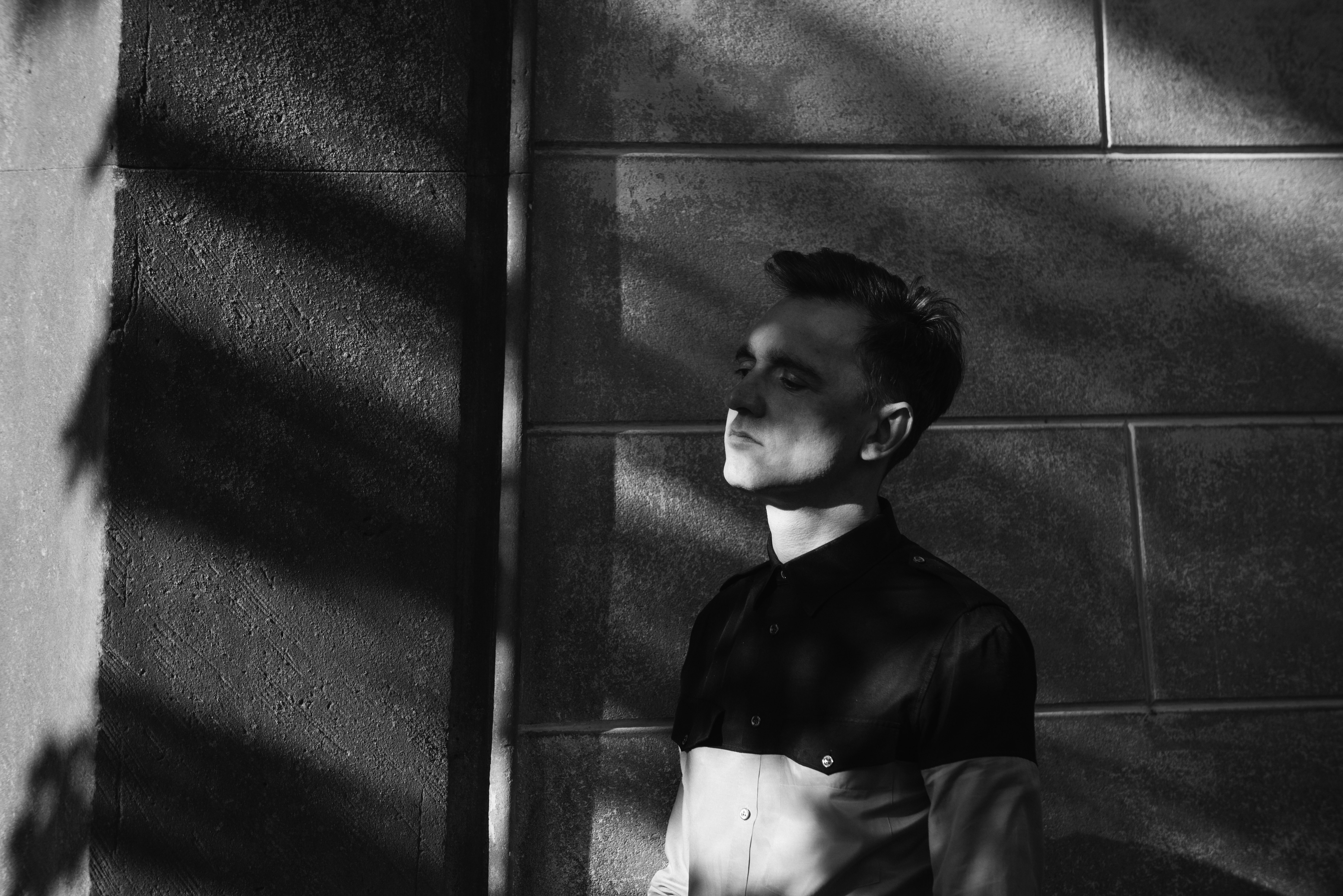
PHOTO CREDIT: CAMILLE BLAKE
-
Q: T2 has never been more relevant with the advent of AI. What was it like working on this with that context?
HME: It's weird. I'm not convinced we're anywhere near a war against AI, but watching T2 in 2026 does give the film more grit. It's darker and more realistic in some ways than it was. It used to just be a cool, violent sci-fi, but now the violence feels more impactful, less stylised and more terrifying.
The themes hit harder when you're living through some version of what Cameron imagined.
Q: Did that come into PVH's score or process?
HME: Yeah, totally. Amplifying the intensity through a modern, contemporary score was a deliberate choice. The modern score makes the themes feel more current than nostalgic.
We also deliberately made the score feel very physical to exaggerate the on-screen violence. You feel it in your chest. That's the point.
Q: What do you hope for HME's future?
HME: Not sure! The dream from day one has always been to get to a point where I can work with my favourite films and favourite artists, and I'm there right now. Which is pretty wild to say. The next step is international touring, which would open up the budget and more opportunities. That'd be really exciting.
Q: And what do you hope for Australia's film and music industries more broadly?
HME: I hope we keep being brave. King Gizzard, Tropical Fuck Storm, Sampa the Great, Sleep D, Robin Fox, these are world-class artists who happen to be Australian. But bravery needs support. I guess I just hope we keep fighting for the kind of culture that doesn't have a template.
The weird stuff. The ambitious stuff. The stuff everyone thinks is a waste of time until you carve out something that didn't exist before.
That's where the good art lives.
-
Tickets to Hear My Eyes pres. Terminator 2: Judgement Day are still available for Naarm/Melbourne, Gadigal Land/Sydney & Ngunnawal Land/Canberra via their website, but close to selling out.
