


 SCENE REPORTS
Radio Cazimi: Amplifying Walyalup in the heart of the sun
Writer Elwyn speaks to how the new local radio platform is refurbishing the relationship between community and collaboration within the heart of Fremantle.
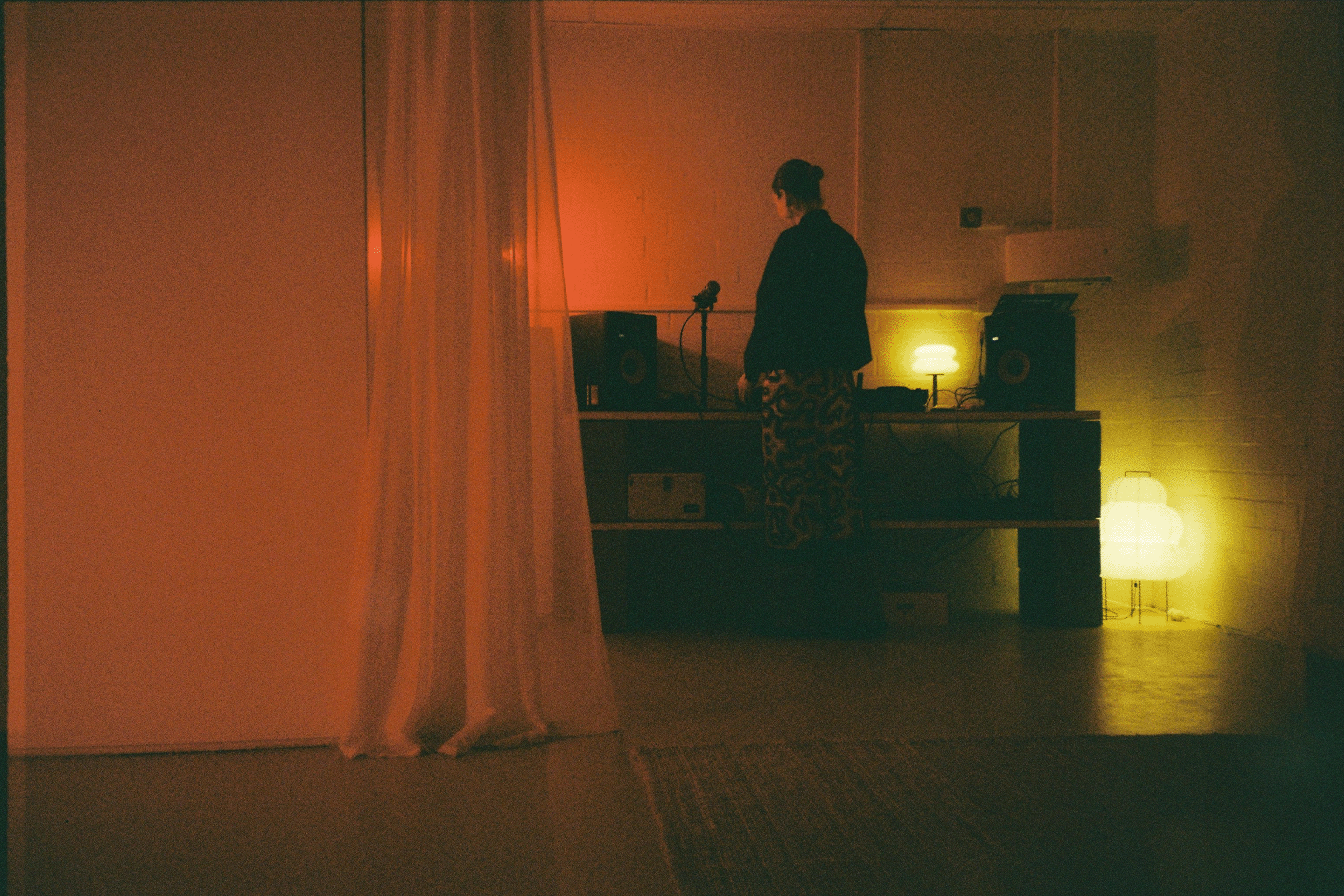
The plaque in the middle of Fremantle Piazza reads: Born in 1982, revived in 2026. Below sits one of a dozen garden beds littered throughout the Piazza. The title reads: Place in Being, Being of place. Garden Thyme, Casurinas and Seaside Daisies. The beds of biodiverse plantings mirror the cultural ecosystem in which it grows: bespoke magazine shop, native florist, art galleries. They all flourish under the Perennial Pickled Fairy. 35 Years of enchanting graduations and childhoods with ethereal face paint and flowing Houppelande's. Somehow, they maintained the magic even as decades of poor planning sucked the gravity out of the joint.
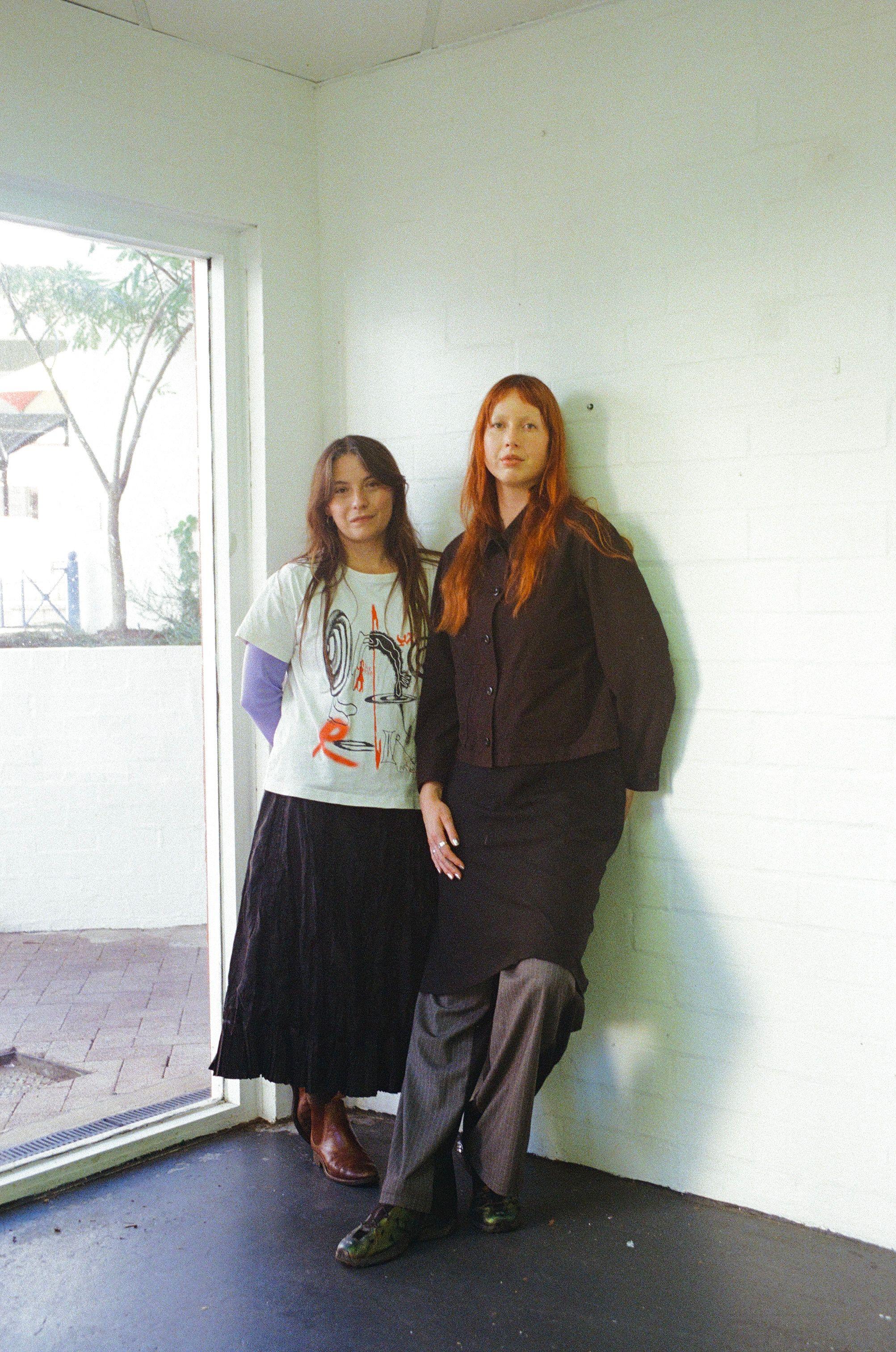
The latest remedy to the Piazza’s convalescence is Radio Cazimi: an online community station founded by Montana Bourke and Renae Bloomer (Ephacy). The pair are intrinsic to Perths’/Boorloos’ inward music scene and outward dances. Radio/events/mix series and ubiquitous body moving. Radio Cazimi is a physical manifestation of their craft and their desire to skill-share throughout Fremantle’s community. Its home within Fremantle accentuates an earlier Piazza definition: a space for a myriad of discourses; political, social, cultural. Montana and Renae envision this in the sprawl of a public arena. People cluttering the tiered steps, sharing ideas, music, literature, and agitation. A place for dialogue, play and interconnectedness.
As Montana and Renae can attest to, Cazimi is a sum of its parts, and its addition to the Piazza mosaic maintains resistance to centrifugal forces at work; exorbitant rents, overseas hawking and unaffordable premiums have usurped local makers/ventures for American convenience stores and Fashion franchises throughout Fremantle/Walyalups CBD.
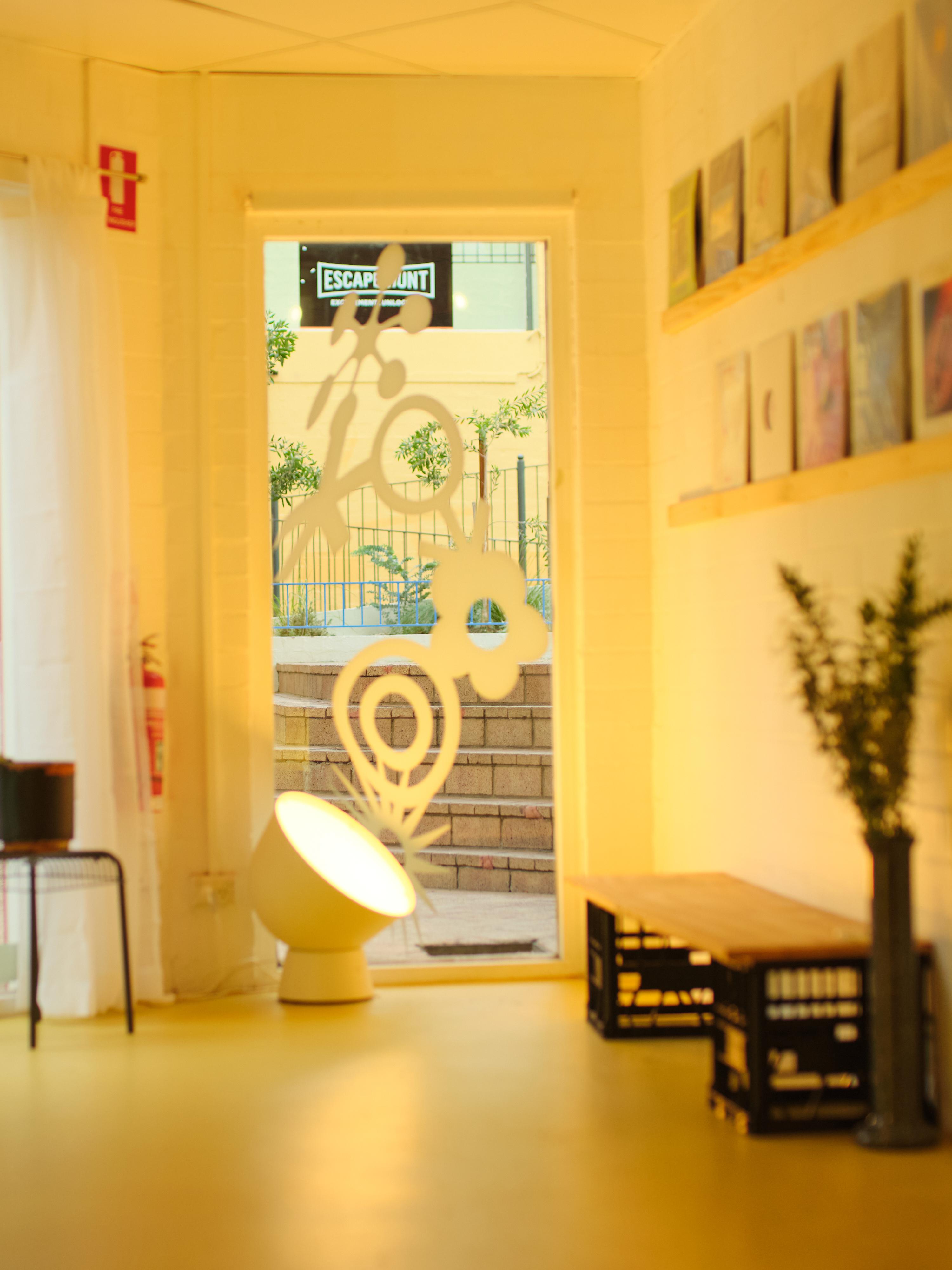
I sat down with Montana and Renae on a Saturday afternoon to discuss Cazimi’s inception and direction. We drank tea in a warm corner of their studio, school holiday laughter trickling in and out as all good public spaces should.
Q: Is Radio Cazimi responding to an absence in the scene?
M: Yes, it's why we wanted to do it. Both of us are involved in the local dance music and broadcasting scene in Boorloo.
R: There was a gap in platforms. Somewhere local and international artists can meet. Both of us being involved with Skylab and RTR FM, we have witnessed how they can impact the community. We want to create a public hang-out space.
M: A big thing was to have a low-barrier access space to culture, arts and community. We want to support people who want to host shows but have never DJ’d before. We love Perth, and we want to spotlight the local talent here to a global audience.
R: So many people move away to get what they need. It’s understandable, but we want to create those opportunities for people here.
Q: Often the consensus is that, from the outside looking in, arts spaces in Boorloo can be gated with an air of pretention, deterring people from puncturing it. Is this an issue you both consider important?
R: We really want it to be open. We are very grateful to be in the public space of Piazza Fremantle. Not only can people walk past and drop in, but it also becomes a place that people want to commute to. It's a place for conversation and music sharing, not just dance music.
M: We want it to be somewhere where artists with more introverted and personal sounds can be held here. We both have independent mix series; Renee has Re-me de, and I have personal space. They are both rooted in deep digging, personally and sonically.
R: We want broadcasters to have the freedom to express differently from one week to the next; it doesn’t have to be cohesive.
Q: The playlistification of music by platforms like Spotify and YouTube via AI & PFC (perfectly fitted content) has meant singular mood governance is increasingly prevalent. Will you two be developing a policy on AI Music?
M: We will push for no AI. It's so hard to escape from these days, creeping into every aspect of our lives without us knowing. Preserving the sacredness of human-made art forms is very important.
R: We are in a time where people are craving the humanness in things.
M: The more slop there is, the more people want something different. When we invite people to come do a show, we ask them to have an intention behind their show. By doing that, I think you end up having people look for music more consciously rather than a Discover Weekly thing where you can cherry-pick.
R: When we put the EOI out, we were encouraging broadcasters to put an intention behind it. It can be as simple as being music that you love. We ask people to show their relationships to the music.
Q: There are a few different interpretations of the word Cazimi. What's the one most pertinent to the station?
M: You talk about it because you came across the word.
R: For us, it was just a word and a name for a radio show with a meaning we both loved. I was on an astrology page we both follow on Instagram and came across the phrase. It's when a planet passes in front of the sun. Instead of outshining the planet, it amplifies the planet's powers. It's so nice to think about how this space can uplift community. A place people come through to shine.
M: It derives from the Arabic word and meaning: ‘in the heart of the sun’. Perth really feels like that. It's sunny here for so long. It's the middle of winter right now, and the sun is shining. Being in the Piazza as well, it feels like we are in the heart of Fremantle.
Q: How did the relationship with Piazza develop?
M: Through Space Market and Sarah Booth. There were a few spaces available in the Piazza, and this and this one felt perfect.
R: It was quite different at the time. We have put the work in, and it will continue to evolve. We want to put a record store in that hosts a lot of local and Australian artists/labels.
Q: In your mission statement, you wanted Cazimi to be an ‘honest reflection of the diversity and energy of the scene.’ What mechanisms do you have in place to achieve this?
M: Putting out an EOI to everyone, we have had people from all over submit, which we filter through and make sure they align with what Cazimi is all about.
R: A big diversity in sound and people.
M: There are so many subcultures within pockets of the dance or band scene. We have a few bands coming on to do shows together, as well as different dance collectives, giving these people opportunities to extend that to others in their broader circles. We have met so many new people.
R: You think you know the scene and then you do something like this, and you're like, what!?
Q: Have you had many EOI’s from people who have no broadcast/DJ experience before?
R: A lot. People have approached us and told us they don't have any experience other than a deep passion for a particular sound, and we just want to help them express that.
M: We want to share our knowledge and skills with others who are interested. This transfer is so important to a community. When I first started DJing, I had so many older folk who helped shape my sound and confidence coming into the scene as a female DJ. As two women in a predominantly male-dominated scene, we can foster inclusivity and celebrate the broad spectrum of the community.
Q: Cazimi is operating on Whadjuk Noongar Land, what does that mean to you?
M: It's sacred, special land.
R: It has provided us a space to work and contribute on, and I think we owe it to the community and the land to bring people together, be honest and learn from each other.
M: It's a place of sharing stories as well, through conversations.
Q: Have you had any submissions for conversational shows?
M: Cole Baxter's show will be quite conversational, celebrating and uplifting Mob voices.
R: Tash is going to do Astro, which is an astrology talk show I can't wait for! All the talk shows will be quite different in terms of their conversations and concepts.
Q: Are you sequencing the shows in a particular fashion?
R: Yes. We are aiming to have things that don't overlap in style and diversity across the days.
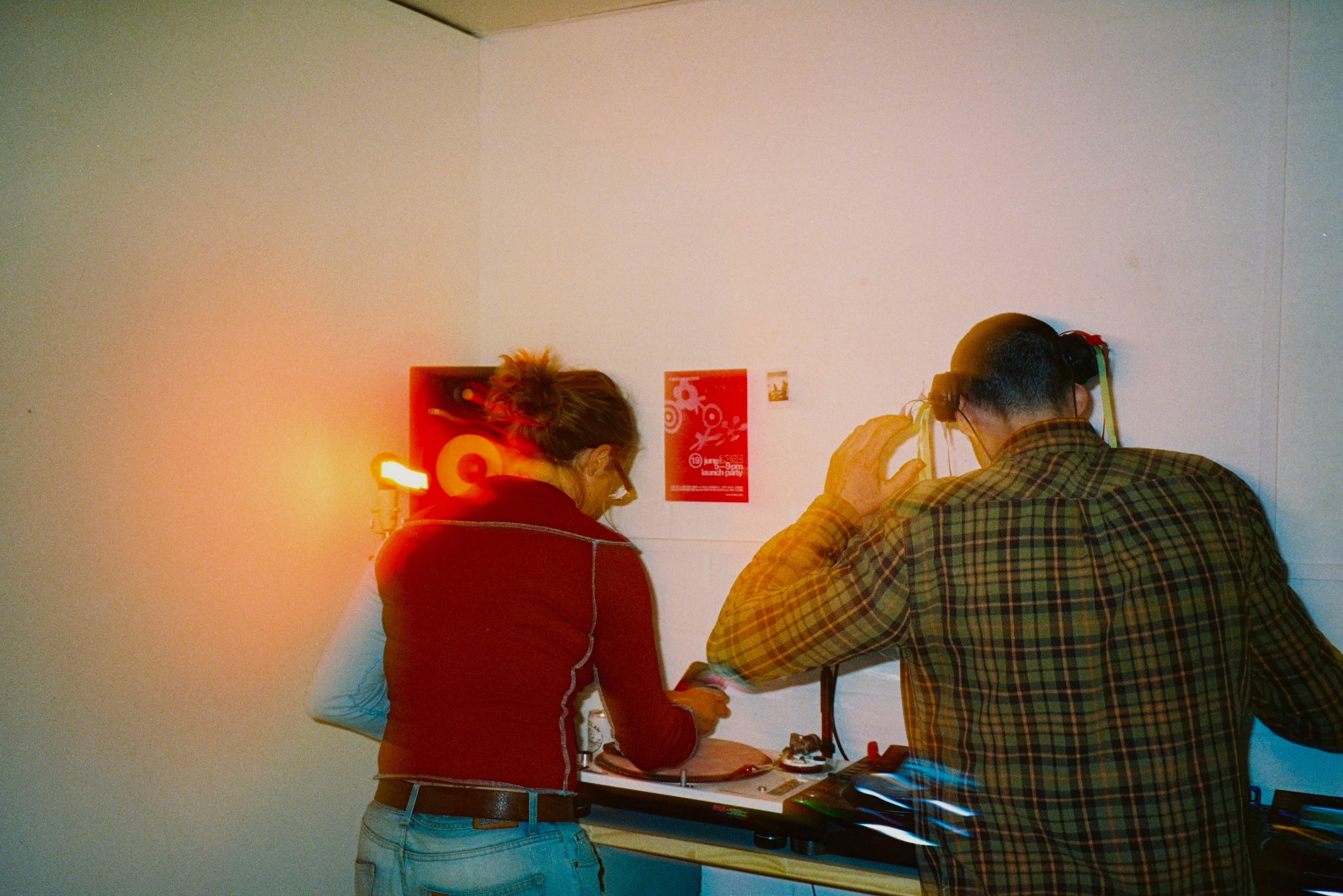
M: Without wanting to tell people what to do with shows, curating slower and softer mornings before moving into afternoons where dance music might feature. Every show will bring something so completely different. On Friday we had a really tender show in the morning, and the next presenter delivered industrial, experimental IDM and breaks followed by oddball folk. Everyone is bringing their own distinct signatures.
Q: The Piazza, in its different art shops and public exhibitions, challenges the individualism and big brand gentrification of main street Fremantle. Will collaboration be a key feature of Cazimi?
M: It has to be.
R: We just collaborated with For Your Love, which is a collective that threw a fundraising party for us upstairs. There is a listening bar next door, and we have discussed having joint parties once they open. We want to host a record fair and have been speaking with a dub collective, and we'd love to throw a party with their sound system out here. One of the great things about broadcasting is that you can inform people about what's happening around you and when parties are happening.
M: Cazimi is a modular radio, which means we have the mobility to broadcast in the different spaces around us, be it a bar or an art space.
R: Wise Child are opening a little bar in their courtyard, which would be cool to broadcast from.
M: The only way we can operate is through collaboration. So many different friends, from design to installation, have ensured Cazimi’s form. We are drawing from so many talented individuals in our community who really want to be involved. It's being built by the community for the community.
-
Elwyn is a freelance writer based in Boorloo/Perth.
