


 INTERVIEWS
'Nether': Marcus Whale makes music to keep himself together
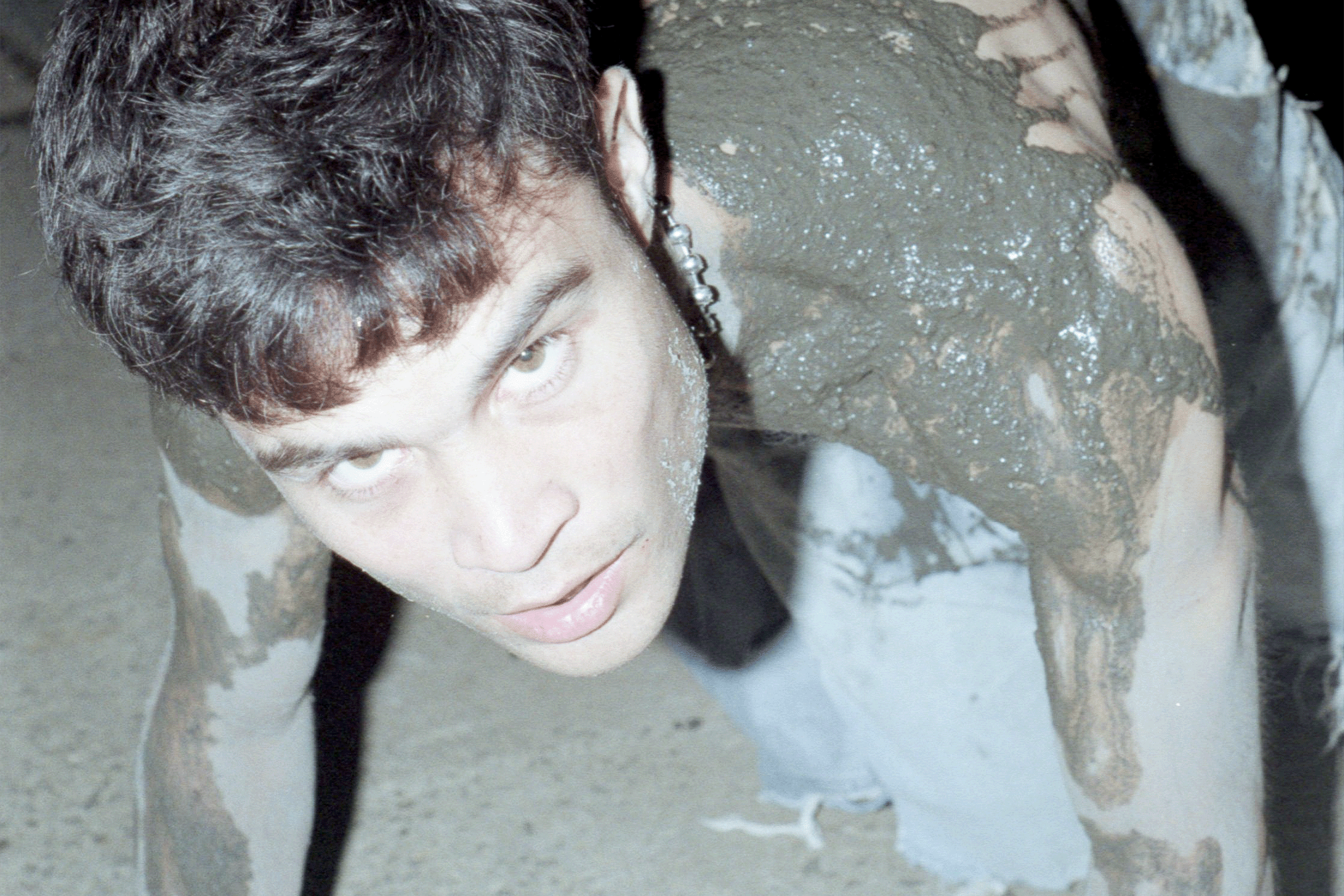
The Gadigal Land/Sydney-based artist releases his latest project almost to the day of his now 10-year-old debut. While plenty has changed, plenty remains the same.
The increasingly stale sales pitch for social media and the increased demands of streaming platforms like Spotify have, in many ways, remained the same throughout their lifetimes. “The internet gives us a chance to be even more intimately connected” to the people we admire, whose creative works we appreciate and who act as incredible influences in the place they call home.
As time moves forward, however, it’s become increasingly clear that online interaction, particularly with art and music, can only paint a forward-facing picture.
“Sometimes life gets super busy, and I don’t get a chance to sit down and make something for a period of a month or a few months, and everything about my quality of life suffers,” Marcus Whale shares.
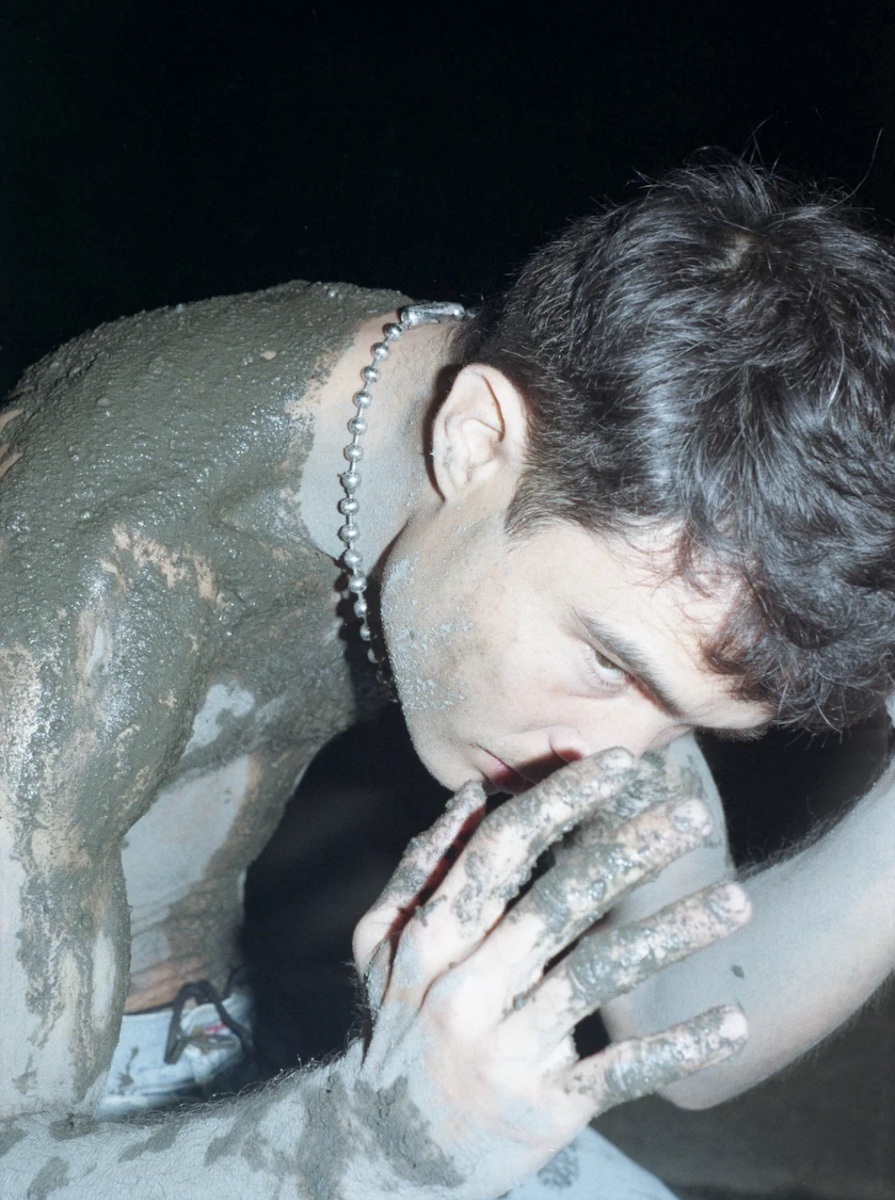
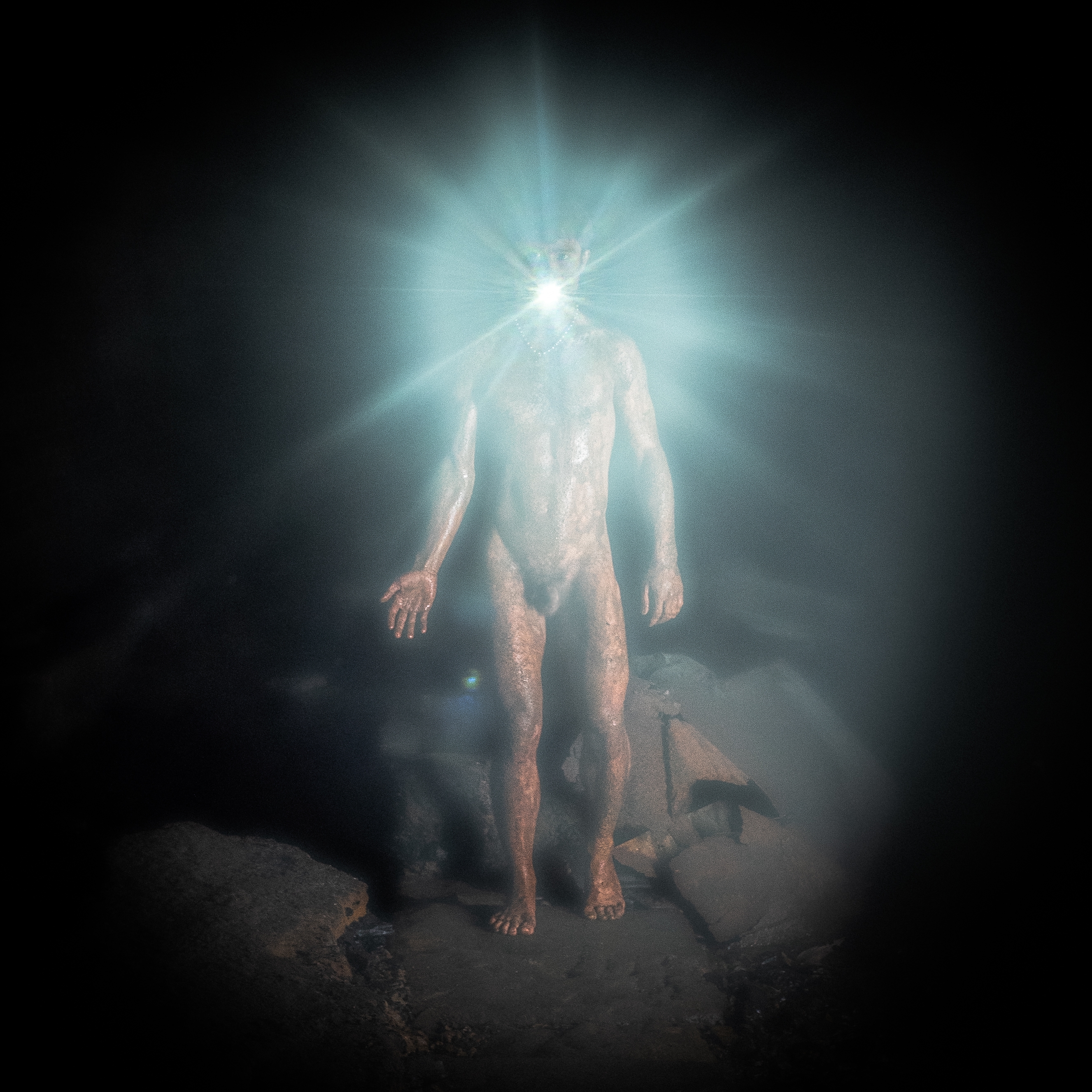
The Gadigal Land/Sydney-based artist has remained a crucial and enduring thread in the fabric of his city’s many art and performance corners for over a decade. His debut record, ‘Inland Sea’, was released almost 10 years to the day of his latest, ‘Nether’, which sees Whale’s love for the creation of art refined into a work even more impressive and rounded than those that have come before it.
Marcus’ need to make music has led him to redefine himself and his sound countless times over the past decade, with his music played in all manner of spaces, both at home and abroad, alongside an artistic practice that spans performance, dance, and experimental live music, including as a founding member of both Black Vanilla and Collarbones. His presence in and around his city’s music is undeniable, and it looks to challenge the idea of what the increasingly churning and burning demands of album rollouts, promotion, and performance are “meant” to look like for someone so successful.
I first properly met Marcus during my time at fbi radio, my biggest introduction to the fabric of local music, where I joined as a trainee presenter at the age of 20. Marcus and his then-co-host Jared Richards were at the helm of Sleepless in Sydney, a two-hour-long musical d&m (deep & meaningful), guided more by an emotional theme than by anything sonic. My first stint on the Allnighter, the slot from 1 AM till 7, came immediately after. As I write about this latest record for Marcus, who to this day still runs that very show on fbi, what is clear to me is that some people are driven by a soul so large it simply must be decanted.
For Marcus, the need to make music and art is ingrained in who he is, and while it may never fully see the worldwide acclaim it so deserves, it will impact those lucky enough to see it for the rest of their lives.
Q: Marcus, thanks so much for making the time to chat. To begin with, I want to ask, you’ve been producing music for a long time, often enough that I don’t think it’s unfair to liken it to prayer or tribute of some kind. Does ‘Nether’ finally being released feel like a religious kind of experience?
MW: Making and sharing music does feel quite spiritual for me, but largely on the basis of the presence and power of music itself, for instance, in performance, or those often magical first instances of coming up with the music itself. The actual experience of releasing an album feels way more scattered and alienated, and in my chats with friends, can actually be quite a weird and upsetting day for someone releasing something because there’s a lot of expectation for a response, which can never feel fulfilling or have presence because it’s all mediated through social media.
In a way, my moment with the music has come and gone a few times over by the time it reaches other people’s ears.
My hope is that the launch shows have more of the feeling you describe, and I’m doing a lot of thinking and practising at the moment to make sure it’s a really immersive, rich and charged experience for people. But again, because there’s so much administrative and organisational work to put these shows together, it can be hard to actually feel it from my perspective. I’m going to try to focus on enjoying being properly in the moment while performing these songs.
Q: You sang in the St Mary’s Cathedral choir, and religion has shown up in your work before. How important was it to have that feature on ‘Nether’ too?
MW: At this point, I think my experience in the choir at St. Mary’s Cathedral is quite internal to me because it was during a very formative time in my life, from ages 10 to 13.
There’s been performances and music I’ve made that have more explicitly references Christian liturgy, but now I think what I draw from that is more on the sensual and subconscious level - the feeling of solemnity and gravity in the religious service, the theatricality and repetitious minimalism of the liturgy, the sound of voices together, the reverberation of an enormous room, the immersion of all of the senses in service of creating a seductive feeling of mystery.
Q: What have you come to understand about those influences as you’ve created more and gotten older?
MW: My understanding nowadays is that there’s something quite woven into how I see the world, how I make music and performances, and even how I move through the world that comes from those years of my life in the choir.
I think it was the first time I understood what it felt like to feel the presence of something beyond the ordinary, that our voices together could conjure something extraordinary in that room, and maybe summon the feeling of some kind of “spirit”, to get a bit woo-woo.
You could probably draw a line between that realisation and what I’m seeking to create in the room when I perform, but it’s way less about classical senses of beauty achieved through rigour and order or whatever, which is what the Catholic service seems to be going for to me.
Q: The idea that ‘Nether’ articulates some kind of silent, ever-present force is incredibly interesting to me, particularly given how clubby this record is. Electronic music has, in my opinion, become, for many, a kind of surface-level engagement with the world, but a gateway to so much more for those willing to seek and acknowledge it. What have you hoped to say with the production of the release?
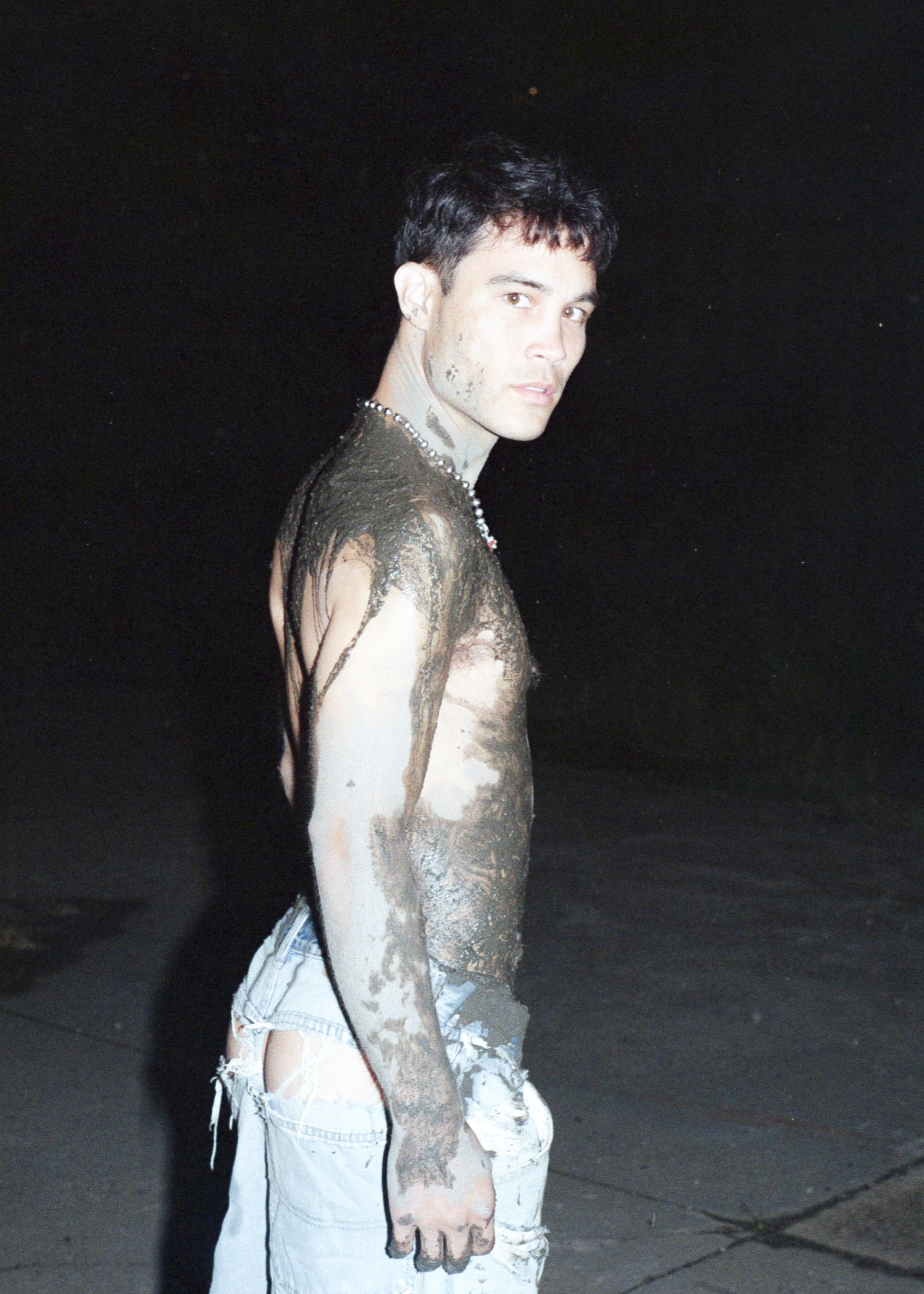
MW: I love dance music, but I’ve loved it a lot more specifically in the past few years, particularly in more of these clandestine contexts. I love dancing outdoors. The parties that necessarily need to be hidden ultimately provide an opportunity to live inside a crack in the ordinary, off-grid.
I specifically love being close to the M5 motorway.
A locked-in dancefloor with nobody talking, that’s enough hours deep for the music to become really hypnotic or really crazy, feels like a place for actual abandon, where the structures of time or language or thinking or whatever that hold us in place every day can melt away for a bit. And then there’s the vibe of getting to the end of an outdoor party and everyone that’s left helping load out, these improvised social formations based entirely on an investment in one another outside of state control or surveillance.
I think there’s no better feeling than being in front of a huge subwoofer, and that definitely informed a lot of the production choices on the album. Bass music is how I got into dance music in a bigger way, and it was a lot of UK club stuff that captured my imagination, particularly from that so-called post-dubstep era of the 2000s and early 2010s, this really elastic, groovy and exploratory music that rises up out of the bass pressure. I’m trying to create an immersive and physical experience with the beats that can surround the voice, something that can hypnotise and seduce, and play with the senses of time.
Q: You’re regularly performing at a club, a theatre, a festival and much more. How do you decide where art “belongs”? Where does this record live, to you?
MW: I am always just responding to the settings that are put in front of me when I’m performing, and I relish the opportunity to allow the limitations to shape what happens. In that way, there’s more of a feeling of presence, again, with the audience, that feeling of the possibility that anything can happen.
‘Nether’ lives, I guess, in your CD player, hopefully?
Q: Your shows often move off the stage and into the room. What changes for you, physically and emotionally, once you leave the stage?
MW: I think moving around the room just allows me to elicit more tension and anticipation from the audience, which can be an amazing tool for unifying everyone in the room, and allows the unfolding moment of the performance, and the music I’m performing, to feel more charged and emotionally intense. From my perspective, I feel a bit more powerful, more able to make connections happen.
Q: You've worked across music, theatre and visual art contexts, including the Art Gallery of NSW, Carriageworks, and the Biennale of Sydney. Does the container change what you aspire to present as an artist?
MW: Everything is different depending on the venue and setting. Some of these institutional performances can actually be quite difficult because of the restrictiveness of these organisations and the general stiffness of the atmosphere, although the imagery can sometimes be stronger or grander or at least cleaner as a result. It’s very difficult to create a vibe at White Bay Power Station or in the foyer of AGNSW. Those gigs usually pay really well, which is nice, and it can be interesting to respond to big fancy artworks, or bring something to those settings that feels a bit out of place.
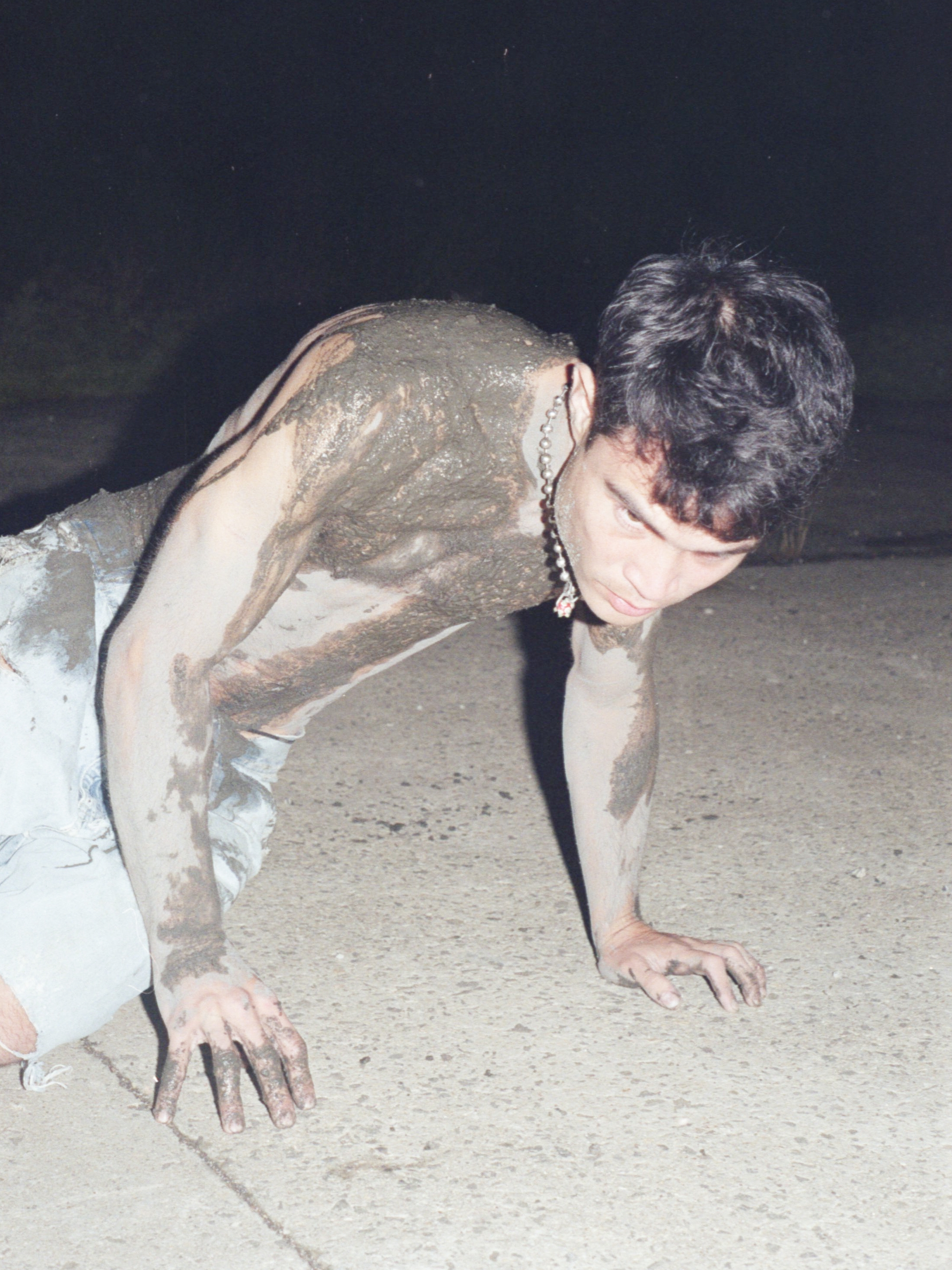
I much prefer performing in settings that are more makeshift.
Q: There’s a wide variety of sounds you’ve incorporated into this record. ‘Descending’ has a far more ‘live’ sound, ‘Dark Room’ is almost nu-metal in its presentation, and ‘Unborn’ has flickers of techno and trip-hop woven together. How did you find yourself interpreting these genres through your ambition with ‘Nether’?
MW: I have a very eclectic taste in music, but I’ve found that in general I get captivated by minimalistic, repetitive and hypnotic sounds across many styles, and that’s been a theme throughout my life as a lover of music, particularly from my teen years onwards.
‘Descending’, I made after seeing HTRK play at Phoenix, I had the guitar chord progression and some of the melody going around in my head as I was riding my bike home from the gig, which is something that happens quite a lot to me. That music has had such a huge impact on me over the years, again for this darkly seductive quality that gets under my skin.
‘Dark Room’ digs into my teen self in a lot of ways. The high bass guitar part that starts the song definitely has a big influence from Justin Chancellor from Tool, who were my favourite band when I was 13, and making the song itself began from a sample of a track I made when I was 16, which is the looping reversed guitar sounds that you hear throughout the song.
‘Unborn’ I made after coming home from Absorbed IV in 2025, where one of my favourite moments was this immaculate all-140BPM dubstep set that Special Guest DJ played, which immediately brought me back to the years of hanging on for every new Hessle Audio release.
Q: What is your creative process like in bringing all of this to life? How are you keeping up with so many different sounds & bringing them together? It must be exhausting.
MW: I make music in my bedroom, I always have and hopefully always will. I have quite a few creative outlets these days, but making music in my bedroom remains my favourite pastime. Sometimes life gets super busy, and I don’t get a chance to sit down and make something for a period of a month or a few months, and everything about my quality of life suffers.
The exhaustion I feel comes from being prevented from making music by other circumstances in my life. Organising the music is also a great joy to me, and one of my favourite things is creating an album sequence, which I usually do about halfway through the process, so the music-making becomes more about building towards a body of work. I’ve never felt difficulty with juggling different sounds, and I think it would be harder for me to stick to one process or one sound.
Q: What does being "seminal to the Eora/Sydney scene" mean to you, and what responsibility do you feel toward uplifting that community?
MW: I don’t think I’m seminal to the Sydney music scene, but I do love it!
I’ve only ever lived in this city, and there’s something I find so charming and inspiring about the passion with which people tackle the challenge of putting on shows in this hyper-financialised, normie-centred city. Perhaps because it’s a bit of a smaller cultural scene, there’s also a huge amount of cross-pollination between musical styles and other live performance forms as well, and that’s something I’ve grown up with.
I remember the early days of going to gigs in DIY spaces, mostly in Marrickville, when I was a teenager, as having a strongly eclectic range of sounds and people from all walks of life both on and off stage. Punk bands with noise musicians, post-rock bands with experimental plinky plonky improvised groups, folk singers with live-processed video projected onto a bedsheet, you name it. I think that sense of free interactivity is something I really love.
I go to a lot of gigs myself, and it’s a great pleasure to me to see a lot of familiar faces wherever I go. Nobody’s really a hotshot; everything is ultimately quite DIY and niche, and there’s an understanding that if we all support one another, then it’s possible to create a great vibe. The music is getting more exploratory, the audiences are getting, I’d argue, more focused, and I come home from gigs usually feeling incredible.
What are you hoping that the listener takes most from 'Nether'?
MW: I would like you to listen to the album from start to finish and try to use it as a way to get lost in the moment.
-
Jack Colquhoun is Mixmag ANZ's Managing Editor. Find him on Instagram.
