


 INTERVIEWS
homebody’s 'prefrontal cortex': Healing, Heritage and Honesty
The Muloobinba/Newcastle artist’s debut album is a refreshing and real addition to Australia’s electronic music conversation.
An increasingly demanding and good-time-focused electronic music landscape can often leave good, honest work as its most regular casualty. Australia in particular is wrestling with a moment of definition for its fast-growing dance music culture, one which, like so many other industries, is increasingly defined by the needs and desires of its biggest businesses.
It's in that climate where a culture’s newest contributors, whether they be artistic, curatorial or as a viewer, have their habits formed. In 2026, one can hardly blame that habit being one rooted in escape rather than reflection.
I first became aware of Muloobinba/Newcastled-based Chloe Toole in August of last year, not through her music, but her actions. Chloe, who at that point went by c h l o e, was among the first local supports booked by Boiler Room to boycott their 2025 Australian tour, after learning of the company’s recent purchase by Superstruct Entertainment, owned in turn by investment firm KKR, linked to military technologies, companies operating in the Occupied Palestinian Territories and ownership of the Coastal Gaslink Pipeline.
It was this act of courage that set her apart from so many others, all too ready to forego any nagging or individual moral questions in favour of the ease that comes with toeing the line on what is ‘cool’.
Chloe’s boycott of the brand was, thankfully, not met with vitriol by other big-name promoters and artists, and has continued a string of regularly large main stage adjacent bookings ever since. In October, she’s set to appear at her Muloobinba neighbour Mall Grab’s Fragrance label show alongside his partner, London’s Effy, at Gadigal Land/Sydney’s Carriageworks.
This month, Chloe takes an extra step in stepping outside the usual trajectory for modern electronic and dance music artists by releasing ‘prefrontal cortex’, her debut album.
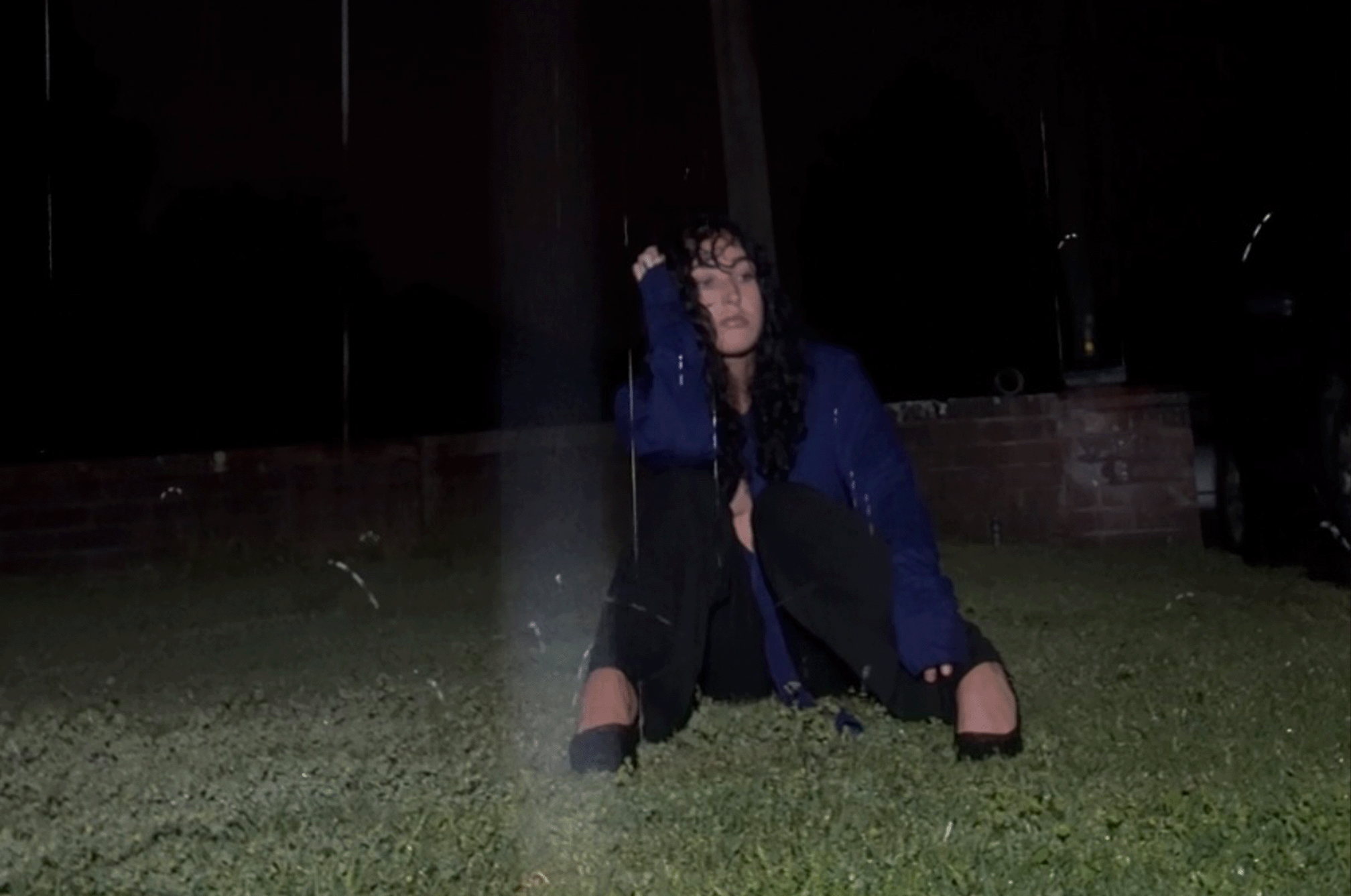
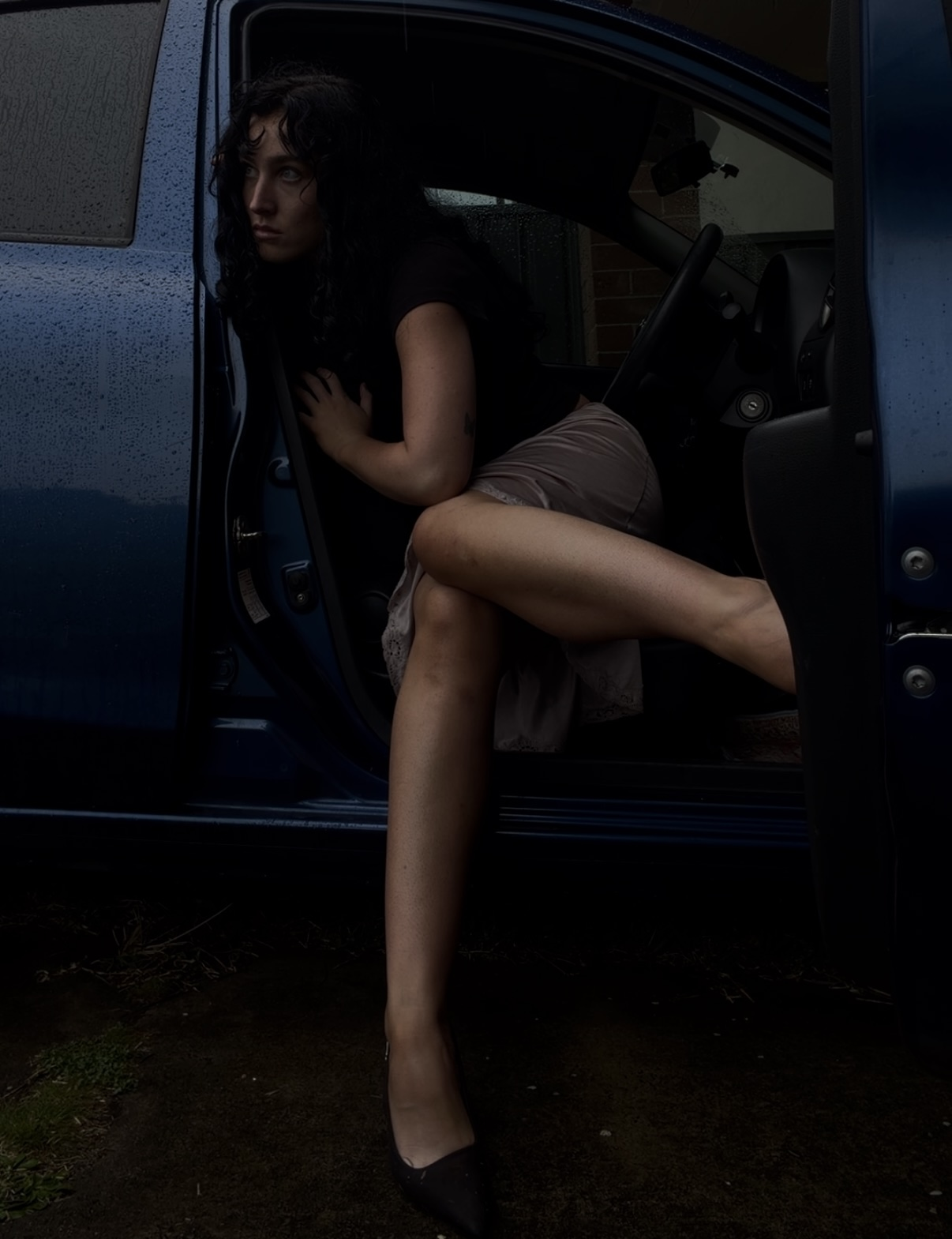
Across a series of 8-tracks, the record sees the Wiradjuri artist, now recently rebranded to homebody, sharing an incredibly personal exploration of trauma, a story told through piano-led ambient, trip-hop and breaks. In many ways, it couldn’t be further from the stages, the sounds and the conversations dominating so many of music’s spaces. In that way, and so many more, that’s precisely what leaves it feeling so important.
While the clear political context Australia currently sits in makes ‘prefrontal cortex’ a crucial listen, it’s the honesty in its lyrics and songwriting that leaves the strongest impression.
homebody makes honest music. In speaking with her, it’s clear: why on earth would she make anything else?
Q: Chloe, thanks so much for taking the time to chat. You’re on the cusp of releasing your first full-length body of work, which also happens to be incredibly personal. What does that combination of emotions feel like?
HB: Thank you for having me, Jack!
Quite surreal and nerve-wracking at the same time, if I’m being honest. I think creating music for a while feels so private, so the thought of everyone hearing my thoughts and feelings is like opening a diary up and throwing it into a crowd, but here we are.
Q: The album’s name, ‘Prefrontal Cortex’, is a reference to the part of the brain that regulates emotion & self-reflection. As I understand it, the name came to you during your induction as a crisis youth worker. Can you talk me through that moment & how it informed this work?
HB: It was a really profound moment in such an unassuming environment like a work meeting. We were talking about how the brain processes trauma with a team Psychologist and the science behind supporting children to use that part of their brain again through different therapeutic interventions. This healing process really motivated me to reflect on how it might sound audibly and how I could express it through music.
Q: Your work involves you supporting kids who are navigating homelessness and domestic violence. How much of that found its way into your work?
HB: My album is very reflective on a deep level, not only in the work I do day to day but also from having lived experience in domestic violence and homelessness in my youth growing up. Looking outwardly at trauma in my job as well and understanding the correlation with my own life experiences shaped the way I could communicate this audibly and interact with it.
Q: Intergenerational trauma is something you navigate not only professionally, but personally too. Is there a line between those two realms of interaction with these concepts, or do they blur together in how they feel represented here?
HB: I feel there is a strong relationship and blur between observing this professionally in my job and throughout my own lived experience with intergenerational trauma. They inform each other because they're rooted in lived experience. Navigating this in my music, I looked introspectively at myself and observed everything I could in my job to communicate this concept and inform the music in the most realistic and authentic way.
Q: You've mentioned directly that the government and justice systems failing mob is something you've experienced. Was there a specific track, or a specific moment in the process, where that anger or grief was most present?
HB: ‘bulletproof glass’ is a track on the album that is an ode to Rosemary Laing’s photography series ‘bulletproofglass’ in 2002. It was a visual representation of her disappointment and disillusionment after the government refused to issue a national apology to mob or pursue a treaty in 2002. This visual work felt so raw and relatable to me after seeing this series and subject matter, especially after the Voice Referendum's rejection of a proposal to change the constitution to recognise Aboriginal and Torres Strait Islander peoples by establishing a guiding body called the Aboriginal and Torres Strait Islander Voice. I found that the continued lack of reconciliation and justice for our mob brought me a lot of frustration and powerful subject matter to articulate audibly.
Q: You've pulled in poetry and voice notes you recorded when you were 18, years before this project existed. What was it like going back into that material now, older, with more distance?
HB: Going back to the audio I made when I was 18 felt like stepping back into the mind of my younger self and opening up my thoughts and sounds I had 9 years ago. With more distance now, being older, I found I was creating a conversation in the songs with my younger self and expanding the connection between little me who hadn’t processed trauma and feelings to me now who has and can talk about it. I was able to understand the feelings I was referring to more and could really use the recordings as a canvas for the instruments to come in after. Reading my poetry I wrote 9+ years ago was also very healing and felt like a big hug in my mind.
Q: You've said you wanted this to feel as intimate as having a coffee with someone, but without disclosing the messiness. How do you go about achieving that, artistically and practically?
HB: Music that I’ve always been drawn to has always been an artist pouring their heart out to the point that you feel like you know them or can relate to their views of the world. I think the idea of my music feeling like you're sitting next to someone as they're telling you about their day, whether it be joyous or what’s been bothering them, is the most beautiful scenario to have my songs be listened to.
Q: "Resonating rather than overwhelming" is a phrase you've used about how you wanted people to receive this. Electronic music often has a reputation for doing the opposite. What do you make of that kind of divide, & where do you sit in it?
HB: I believe that a lot of electronic music has a beautiful way to take us from where we are mentally and escape our everyday, which can be very nice to experience but sometimes can overload the senses. My idea for my album was to invert that idea and provide some space for people to come back down, feel grounded and to think about how they feel. I find when electronic music feels comforting or intimate, it's a refreshing experience to share with others.
Q: You took a real step back from DJing to make this, moving from the harder sets you'd built a reputation on into something slower and lower. What did you let yourself listen to during that break that you wouldn't have while you were still deep in the DJ grind?
HB: I really went back to albums and tracks I used to enjoy as a child, moving my body to them or using them while doing mundane things like house chores. I found real joy in returning to more tracks with ambient textures, meaningful lyrics and longer listen times to understand why I enjoyed them as a listener. Artists like Dido, The Fugees, Moby, Radiohead, Frank Ocean, James K, Aphex Twin and Boards of Canada all really hit the sweet spot for me.
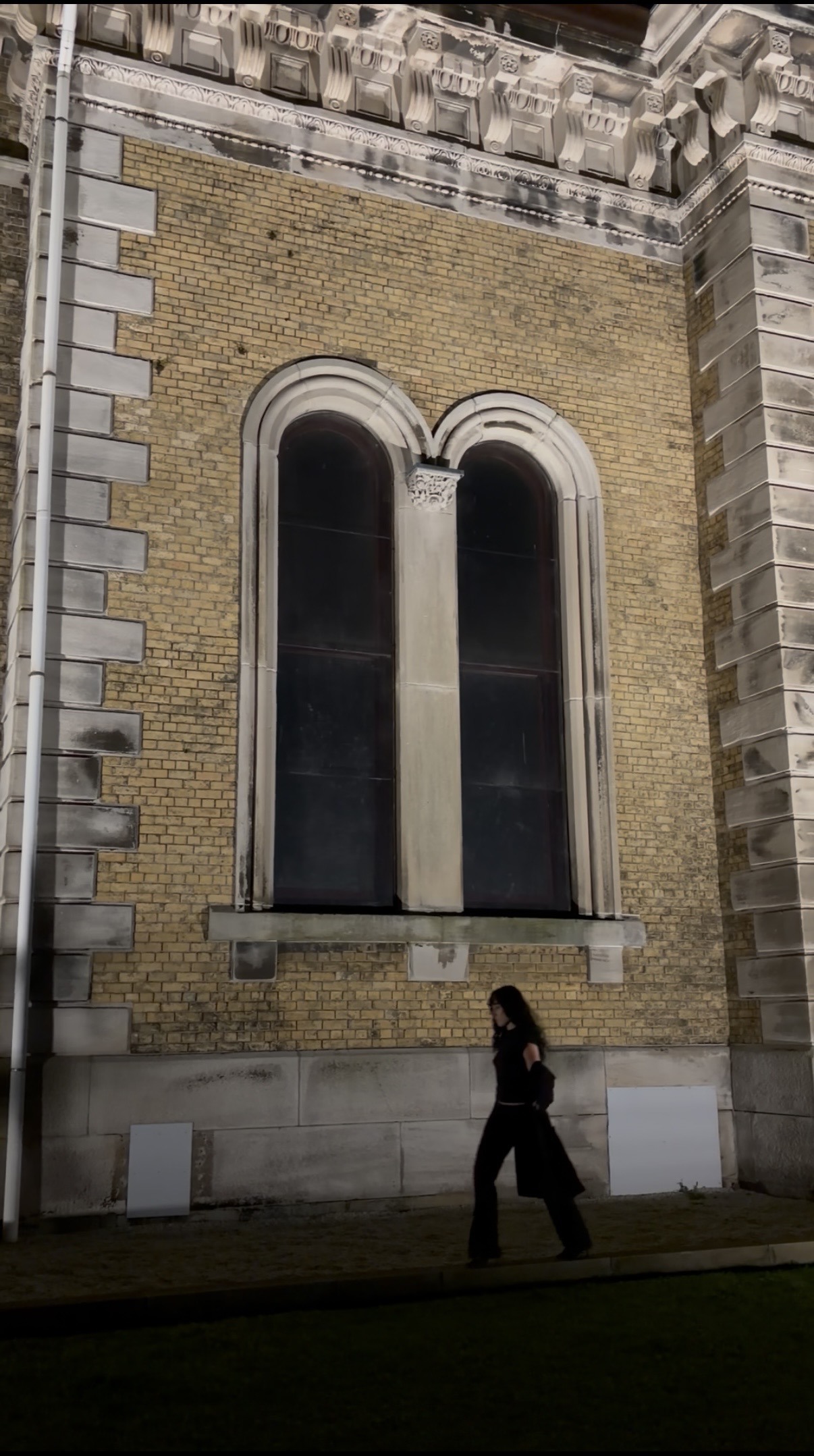
Q: You mentioned using your influences visually as well as sonically, building spaces you could sit in. Now that there's visual and video content coming to sit alongside the album, how do you want people to first encounter this world, through the ears first, or all at once?
HB: I think the beauty of having both a visual and audible dialogue in music is a great way to build understanding for others and to open the concepts up more to be real. For me personally, music videos and performances have always been an extension of the art and a way to understand what the song means or how it can make you feel. For example, James Blake’s & Rosalía’s music video for ‘ Barefoot In The Park ’ is glued to my memory for its imagery and meaning. That’s how I would hope people encounter my music.
Q: This is your debut full-length body of work. Why was this the concept you needed to start with, rather than something else?
HB: Having the music be so personal to my own experiences felt like the most realistic place to start in creating sounds and translating that into music cause it was drawing from a real place in my mind I’d known for so long. I believe there is a notion that you have to be a very known musician to build a body of work to ‘ do well and have it be noticed ’, but I really reject that idea. Some of my fondest memories were spending time listening to whole albums I’d find in random op shops, so I knew that if I ever made music, an album would be one of the first things I would strive to do.
-
Jack Colquhoun is Mixmag ANZ's Managing Editor; find him on Instagram.
