


 FEATURES
Adelaide’s claim as Australia’s historic techno capital
Writer Jonno Revanche dives deep on a lesser known history of the city of churches.
Adelaide is “oldhead” central, or at least it can feel like it on the occasion you leave your house, cross the threshold, and encounter the version of the city others can’t - or won't - see. Adelaide is a place where DIY culture still satisfies the brief it was designed to satisfy, that is, a culture of autodidacts over professionals. Adelaide is apparently cosmopolitan, provincial, genius, backwater, liveable, unlivable, incomparable, deadbeat, impossible, vagrant, sublime. For whatever reason, the city generates low-key eccentrics. It’s a city that lacks the figureheads who too often stand between a scene and its own instincts to assign mandates. It is, depending on the day, either a small town with the population of a big city or a big city misrecognising its own scale through provincial habits. Or is it a misnomer to attribute any of these claims to a true experience?
I’ve probably said all these things out loud at some point, not quite fully believing them, while knowing at the same time that they contain an indestructible grain of truth. They are aphorisms, and like all aphorisms, designed to test the knowledge of their reader rather than that of the speaker. I’d know that people who truly got it, who observed their surroundings, who left the house more than once a week would understand; and that those who didn’t get it might even be telling on themselves and their own lack of insight by trying to tell me I was wrong. Maybe I wouldn’t care.
To say that Adelaide was the birthplace of techno in Australia feels like a significantly more ostentatious claim than those former ones, and, for at least a few reasons, makes me nervous to admit.
Yet out of all the things I’ve mentioned so far, it is actually the easiest to verify.
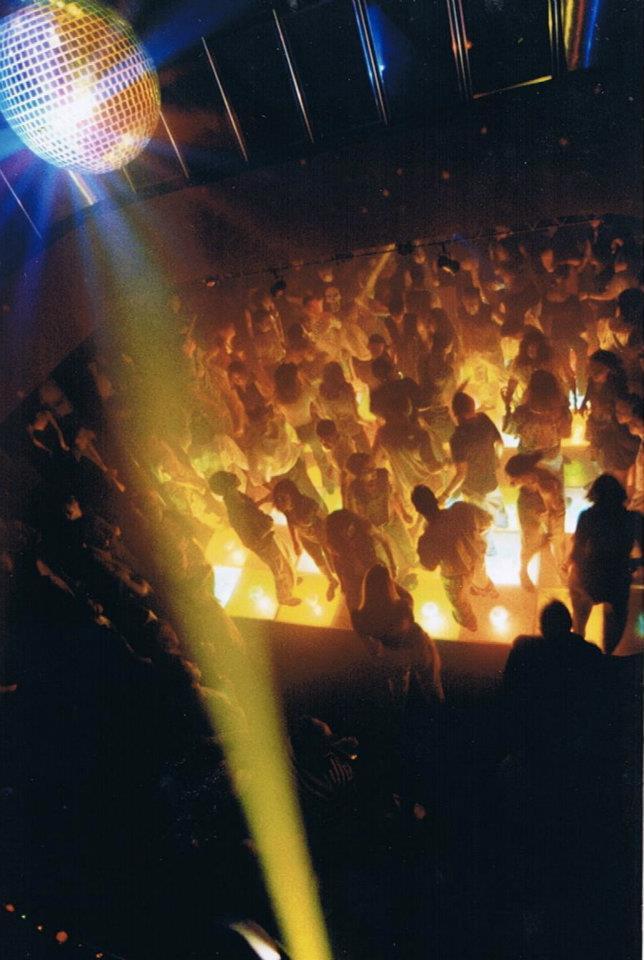
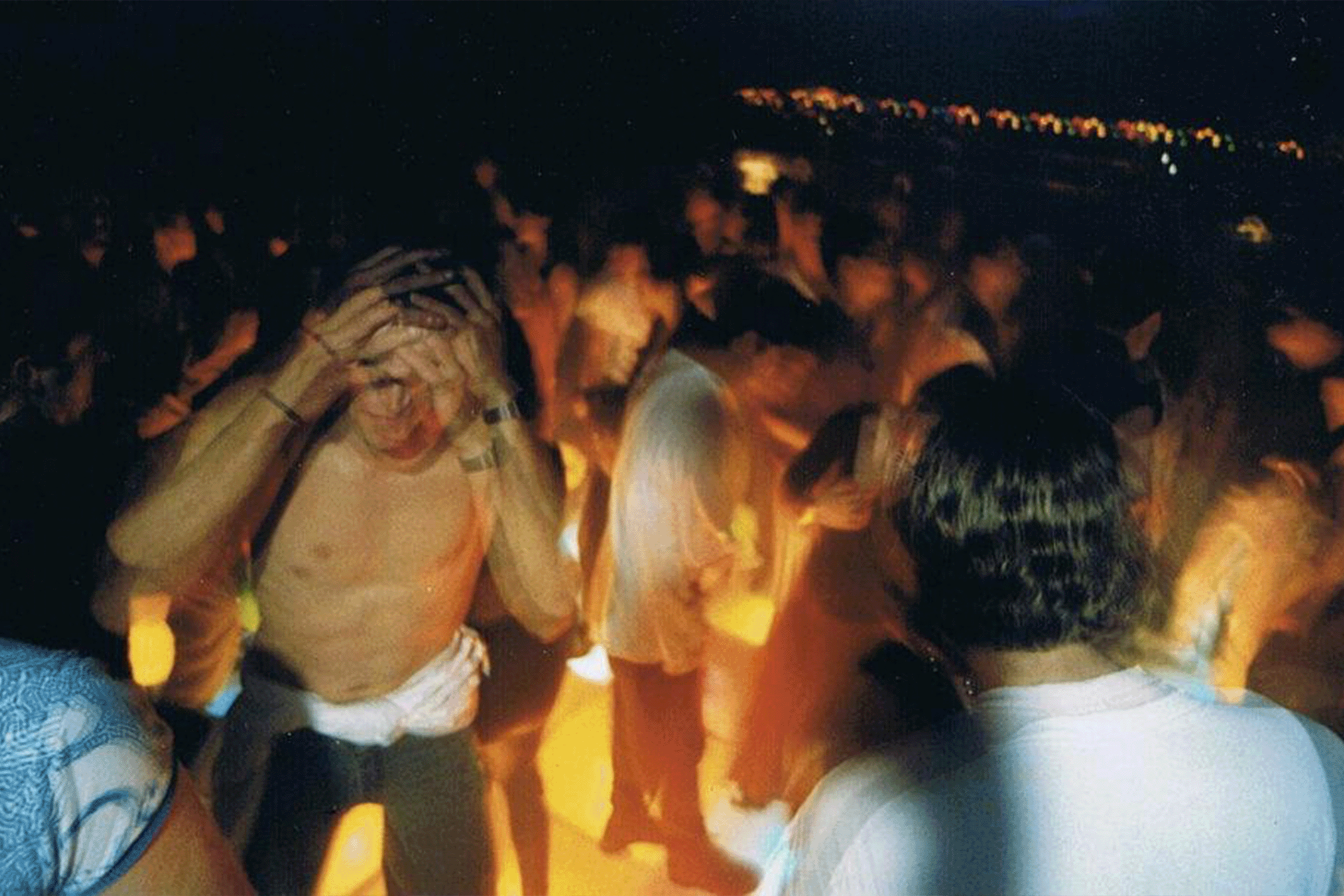
As a young person living in Adelaide, hearsay about the nature of club music came to me early, mostly concerning the notoriety of Heaven nightclub on South Terrace, near the point where Adelaide’s most notorious strip, Hindley Street, egressed into the parklands and the night. Then, being driven past it on my way to somewhere else by my parents, with its legendary - almost garishly blue - neon sign, I’d gawk at it. The connotations were intense. I’d be slinking down in my seat to get a view from below. The light moved through me. A shock jock might have been playing from an FM radio, and a hush might have descended upon the car as if we were passing a club literally titled “SEX ECSTASY GAY AND HEROIN”, like I’m sure it read to my terse, culturally cagey parents.
A noncommittal approach to catholicism informed their worldview; bewilderment informed mine. Heaven appeared often in tabloid reports on the apparently too subversive nature of Adelaide nightlife, as if it was a phantasm coming in from the east to claim the lives of “our young people” from middle-class serenity (or upward mobility) and turn them into….something. Real ball knowers would understand that it was not a foreign object but a tradition fostered by our own city. Still, there is no better PR than the negative press of self-serious boomers. Those news reports wriggled their way into my brain and exerted pressure. One ABC report from 2004 describes the Licensing Court hearing allegations that Heaven endangered patrons by failing to warn clubgoers about a dangerous batch of ecstasy after multiple overdoses and notes, somewhat deliciously, that “fake identification documents are a bedevilling problem.”
That club - or more simply “the club”, period - synonymised everything adult. It stood for a libertine ethic that stretched far past the limits of my own beliefs and eclipsed the usual taboos. As a teenager, my connection came from being introduced to Sugar nightclub and going there with my friends' cooler, more knowledgeable older siblings. Later, I’d go on my own. Easy to believe naively that this was an international city with a culture to match, though it was more likely it simply felt that way because everything was new, and therefore incredible. All I had to compare it to at that age was country towns and fleeting encounters with bigger cities I didn’t understand. The world felt so wider mainly because I was smaller. But there was something else in that intrigue too, this potentiating ability to witness the edges of something and see what was important, and might still be important. As alluring as those impressions were, I never did end up going to Heaven before it properly closed - but DJ and producer Simon Lewicki (better known as Groove Terminator) went on record to describe the club as “the best big room to play as a deejay.”
He continues: “Everything I know about playing to huge crowds I learnt there.”
More than one person has written an honours thesis on the broader subject of Adelaide’s primacy in the electronic world. It’s spoken of, studied, and widely acknowledged by those with a stake in the game, and remains unknown only to those who are out of the loop. The nature of Adelaide techno is a discourse that connects some of the city's oldest and youngest deejays, but it is not, as far as I know, “common knowledge.” This tension makes for interesting discussion. One of those writers I mentioned, Dr Dr Dr Cathy Adamek, who wrote the definitive PhD on Adelaide’s techno history, credits the emergence of the genre “to four answers: the people, the labels, the venues and the music itself.”
Beginning in the late 1980s and early 1990s, Adelaide developed one of the most distinctive techno scenes in the Southern Hemisphere. For a brief but influential period, the city was widely described as Australia’s closest analogue to Detroit, the industrial birthplace of techno itself. Detroit’s economic identity as the centre of American car manufacturing shaped the music’s aesthetic, and so too did it shape Adelaide, with the presence of the Ford and Holden factories bolstering large parts of the economy and changing the literal layout of the city. Together with Ford's manufacturing operations and the extensive network of component suppliers that supported both companies, automotive manufacturing provided thousands of stable, well-paid jobs and underpinned the economic life of Adelaide's northern suburbs. For music to be both futuristic and technical, it had to be shaped by a proximity - some say unconsciously - to assembly lines and urban infrastructure. It cannot be denied that growing up in such a place defines one’s aesthetic, symbolic, and musical tastes, even affecting one’s relationship to time. The industriousness reflects the “ongoingness” of the music, slammed by its critics (your co-worker) as being repetitive; the writer Hannah Baer suggests that, “this doggedness is not the same as commitment to revolutionary movements, but it’s not unrelated either. There is a pleasure in durational activity and a relinquishing of pleasure.” By the time the compilation Techno! The New Dance Sound of Detroit was released in 1988, and the term “techno” had become widely adopted internationally, marking the genre’s emergence as a distinct musical movement.
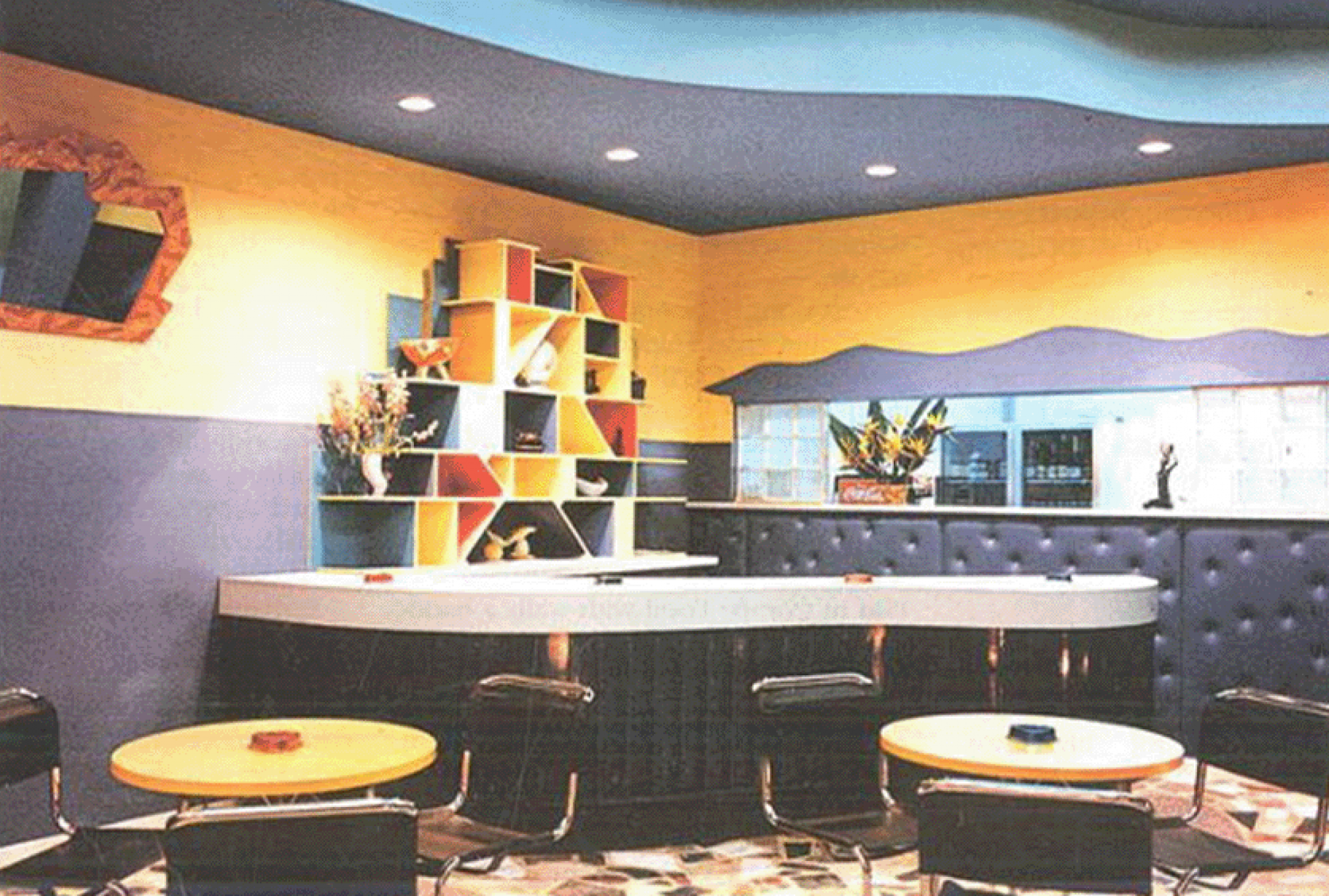
That is one explanation. But techno did not emerge merely from factories, machinery, or “industrial atmospheres,” though these metaphors have become irresistible to critics narrativising the sound throughout recent history. What is clear, and what is often repeated for good reason, is that the music emerged from Black Detroit, from a generation of young Black musicians navigating deindustrialisation, white flight, economic abandonment, and the strange temporality of late twentieth-century urban America. Juan Atkins, Derrick May and Kevin Saunderson - later mythologised as the “Belleville Three” - drew equally from Parliament-Funkadelic, Chicago house, European synth music like Kraftwerk and Giorgio Moroder, and the alienating landscapes of post-Fordist Detroit. Kodwo Eshun once described Black electronic music as “operating inside the future rather than merely predicting it,” and this feels especially true of techno, which locates the persistence of “soul” (in more than two interpretations) inside a form that seemed unable to encompass it. Those synthetic textures often move beyond mere escapism, representing an attempt to inhabit an entirely different reality. The best dissociatives are experienced in those landscapes you actually want to observe from the outside. Perhaps this is partly why Adelaide proved so susceptible to it, not because it “copied” Detroit per se, but because it was a city often imagined as peripheral to the “real” centres of culture, with plenty of space to entertain fantasies of an exterior. Those who grow up in Adelaide find themselves thinking of a place to flee before they can articulate what that feeling is. Better to do it through music than through expatriation; it’s quicker, less expensive.
There is also the fact that diasporic and second-generation kids, often born into families employed in the motor factories themselves, gravitated to black techno as a means to escape Anglo Australia’s uptight, self-censoring claim on how one should move and act, as well as the hegemony of pub rock that defined the suburbs and gave it a soundtrack. Adamek suggests that “this is the sound many dance music participants were running away from—musically as well as geographically—into the glamorous pockets of the empty 1980s Adelaide CBD. The mock sophistication of European-inspired new wave was central to the sound and style of Hindley Street West clubs Toucan and Le Rox.” The confluence of party-ready genres that deviated from certain parochial expectations created the preconditions for something like techno, but it took years for those foundations to take hold, and in the meantime, second-generation kids who had grown up in an increasingly progressive Adelaide could spare the mettle. If the genre’s emergence in Adelaide has a pre-history, it may tell a story of dissatisfaction, a rift from which ecstatic forms take shape; In an interview with Transition Records, they theorise that “those kinds of cultures are much more comfortable with dancing and showing joy through movement” and explain why so many pioneers of Adelaide techno came from Greek, Italian, Lebanese, or Asian families.
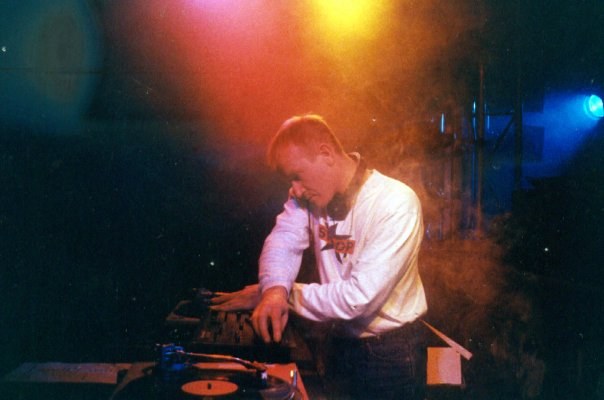
I learned about this history once, attending a panel at the Unsound Adelaide discourse program, hosted by Dr Cathy Adamek, with Damien Donatois, the founder of Juice Music, the label at the centre of the burgeoning scene and one that came to have a global impact in the new techno underground, and Mistress Serena. I must have been one of 15 people, seated at the top level of a lecture theatre, but I was utterly wrapped, not just learning of the history but how Adelaide techno impacted international markets, contributing to the early formation of techno as a genre. One of the most detailed accounts of this cultural moment comes from Adamek, whose 2017 PhD, Adelaide Dance Music Culture: Late 1980s–Early 1990s, documented the emergence of the city’s electronic underground. Adamek was not only a scholar of the scene but a participant in it - someone who experienced what she describes as the local version of the “second summer of love.”
Maybe 8 years after that talk, I spoke to Dr Cathy in a cafe in Adelaide, who was able to set the scene and give something of a chronology of how Adelaide techno came to be. She drew associations quickly, with the creativity of someone trained in many disciplines. “The hip-hop scene is what starts everything. Those people who were the first uptakers of graf, all the suburban kids and city kids, that starts the groundswell. And it was them interacting with the new wave scene, the post-disco scene.
“You have key individuals like Matt Pierce who took over Core magazine, very much driving that New York agenda. Then Cargo Club emerges there as well as one of those crossover clubs who had Jazz, the Italian rockers - and then it started to absorb new music like techno and hip-hop as well too. A lot of the open mic sessions were at Cargo. That was when it felt the richest. Boom - 89 was the year everything tipped over, and that was when the warehouse parties started. There’s a tipping point there where the money and commercialisation of the scene becomes something else. 90-95 was at its best at that point, with all this diversity being woven side by side before you get segregated genres.”
Adamek paints an image of a time when hip-hop was still transgressive and woven across adjacent subcultures, which afforded a degree of cross-pollination. “This was a time when hip-hop couldn’t survive on its own. Hip-hop, here, attached itself to the raves.”
Adelaide, for some time, it would seem, was punching above its weight, not even necessarily just in regard to dance music. It could be easy to attribute this to some ineffable quality, a trait so unique to the city’s character that it could be traced back to the water supply, or Adelaide being literally built on enormous deposits of quartz, which could be funny. Derrick May famously described the music of techno as being like: “George Clinton and Kraftwerk stuck in an elevator” - and to that end, it feels easy to become suggestible to the idea, to evoke a similar distinction of politics and culture as a means to call upon the spectre of history. The late Adelaide Premier, Don Dunstan, might be the one who was responsible for everything.
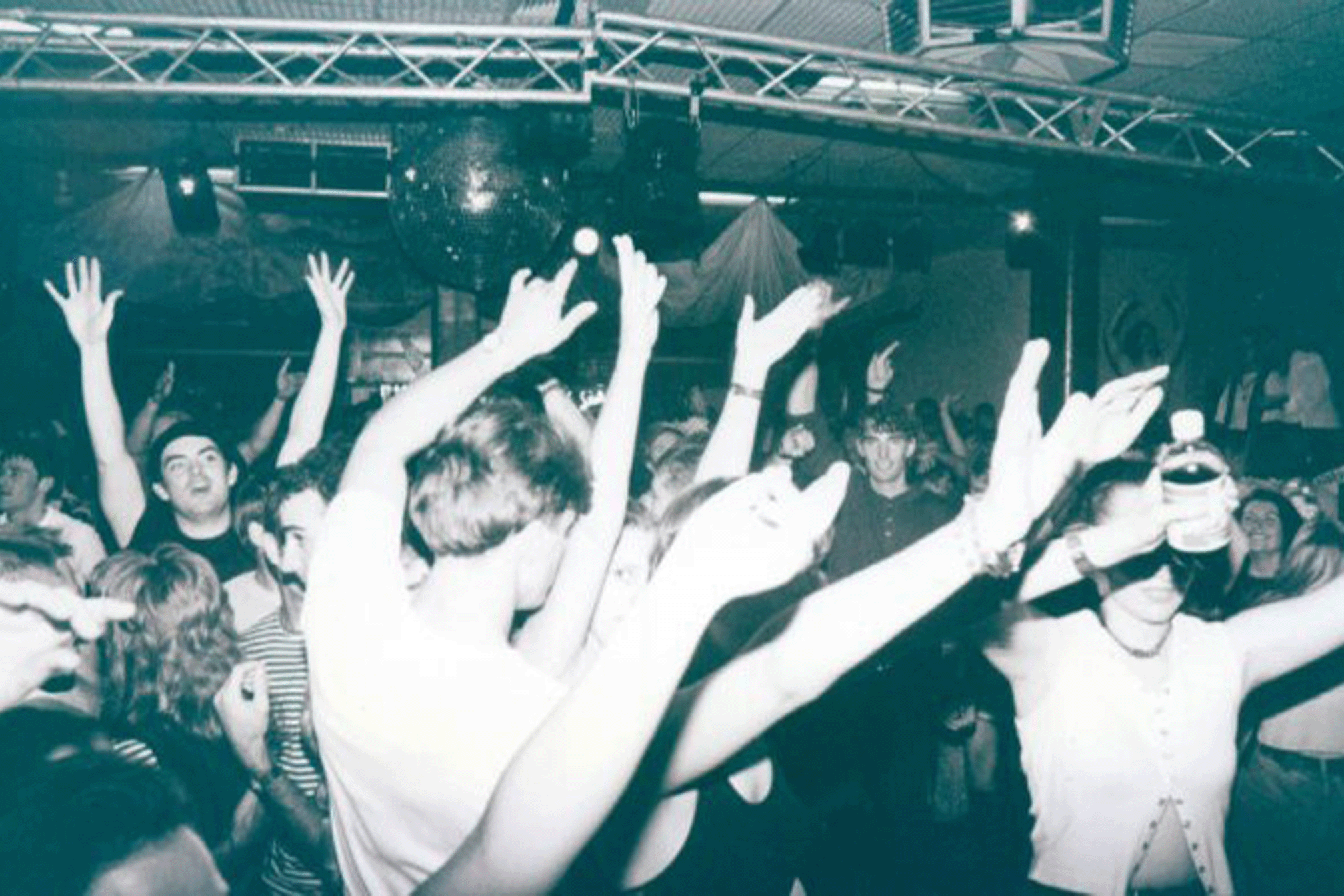

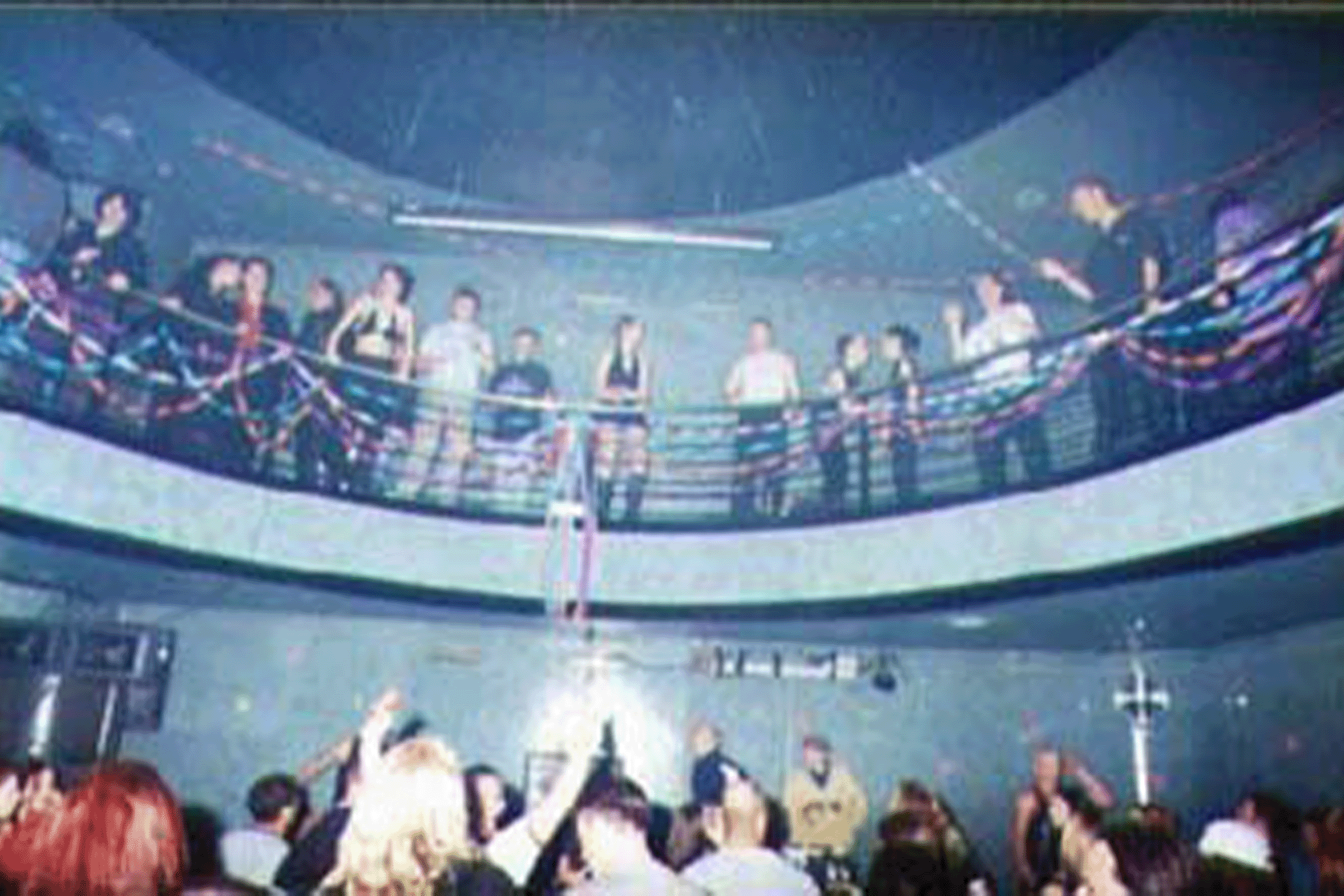
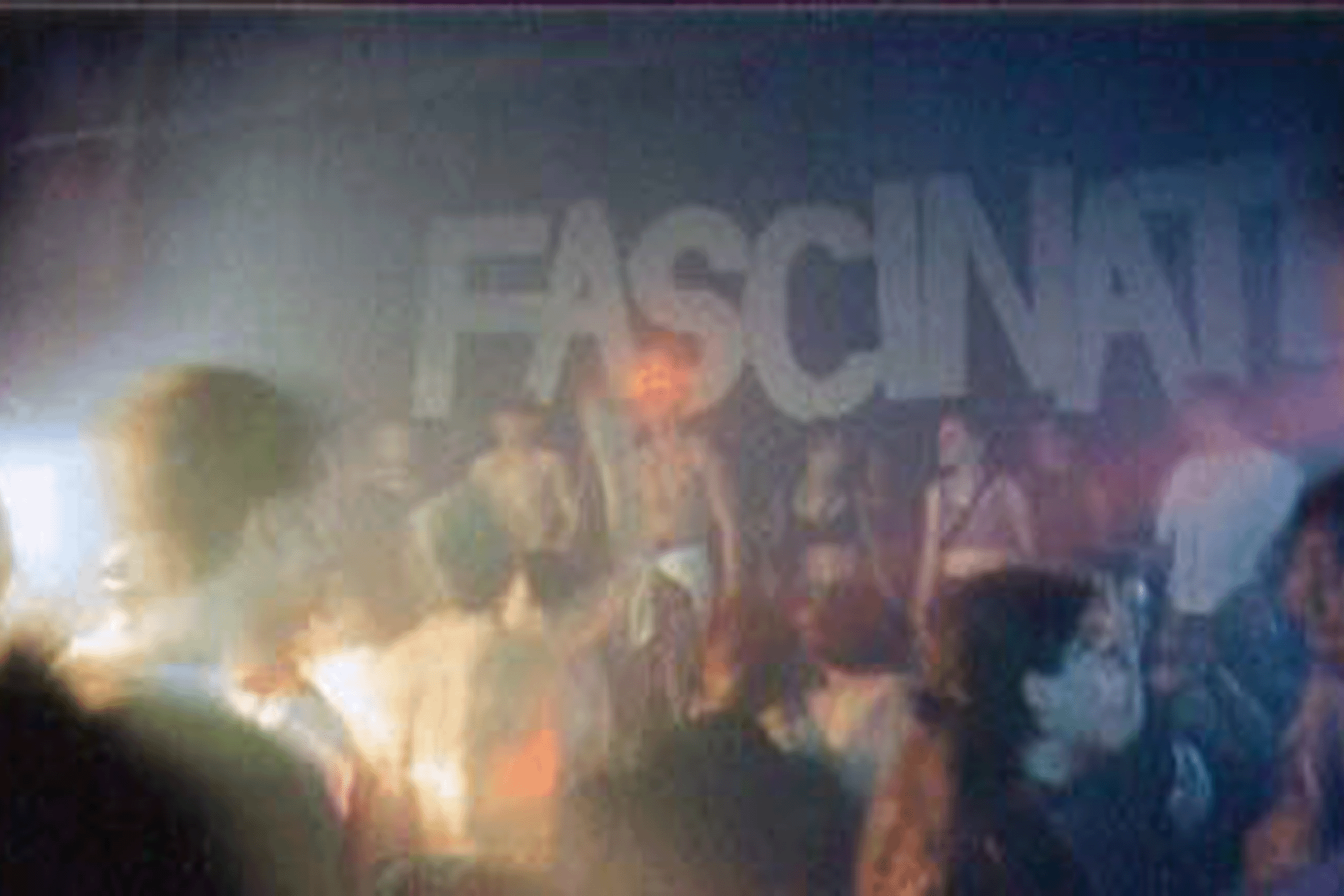
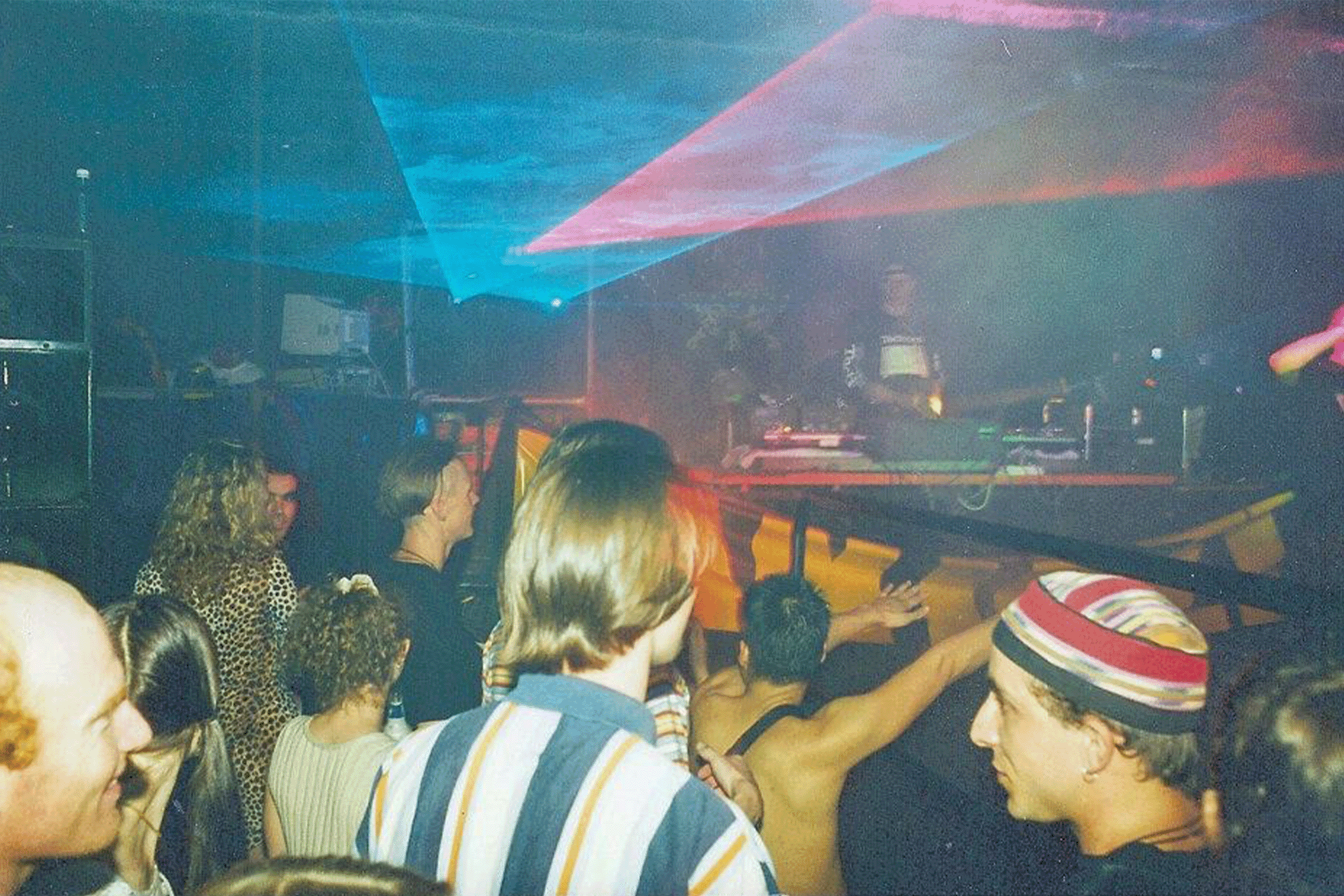
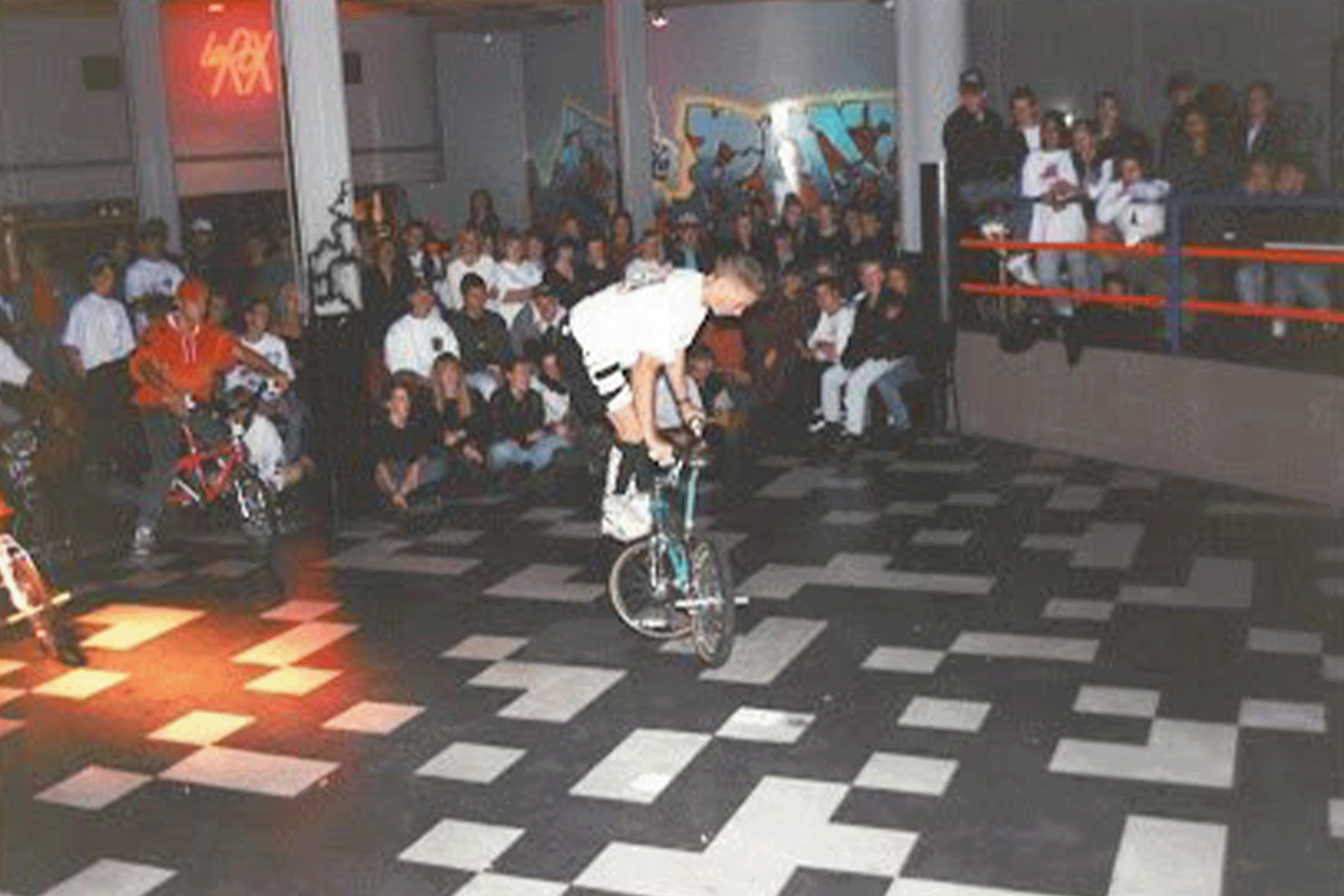
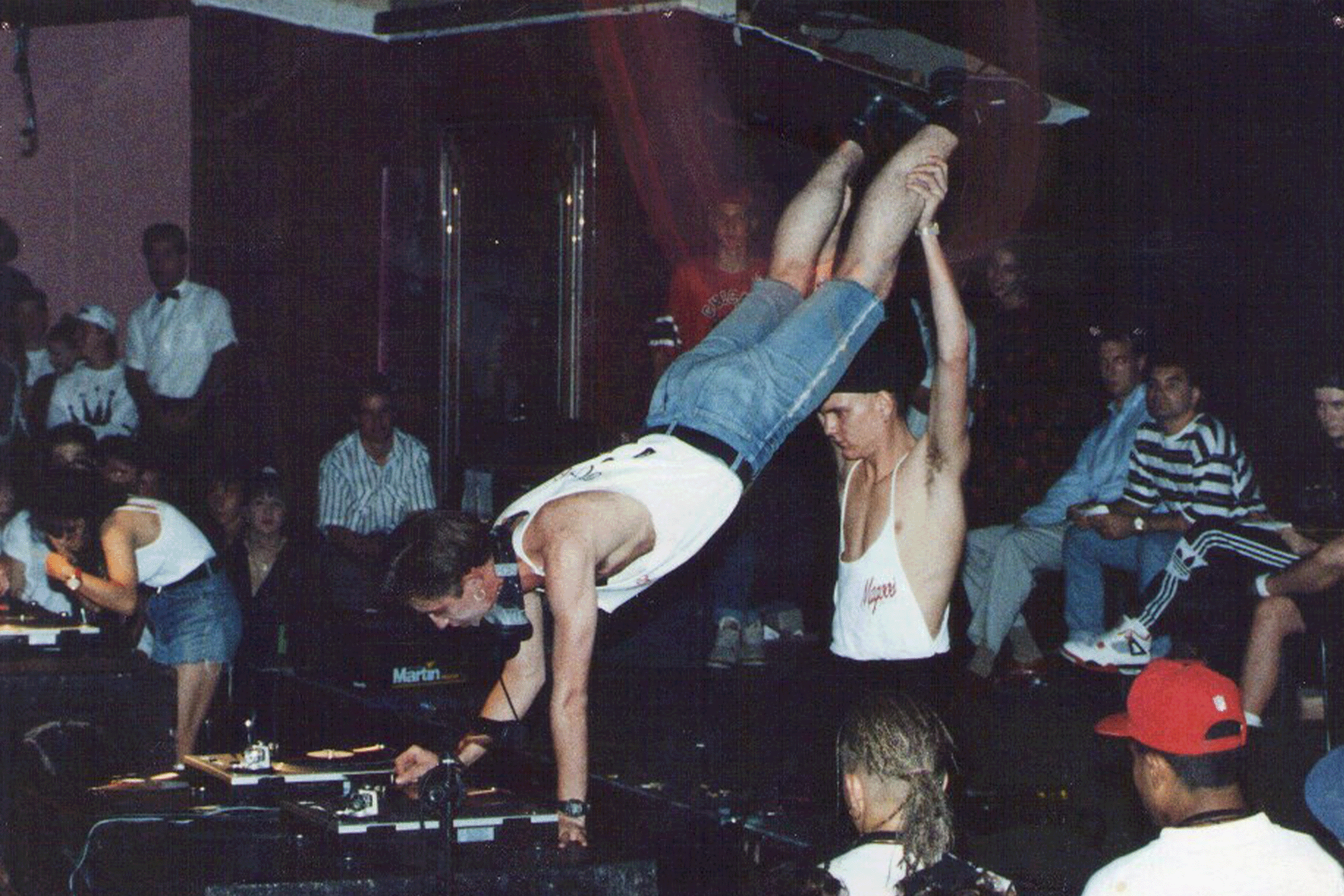
Don Dunstan was elected Premier amid the reformist currents of the late 1960s, when the postwar economy was still buoyant, and faith in government as an engine of social progress remained - if you can even believe in such a thing now - widespread. During the late 1960s and 70s, he took it upon himself to seed certain utopian sentiments through a layman's politics, seeing enculturation not as an incidental by-product of public life but as a necessary form of infrastructure that guaranteed social flourishing: expanding the Adelaide Festival, helping establish institutions like the South Australian Film Corporation, and cultivating an atmosphere in which experimental theatre, film, and music could plausibly receive public backing. Something of an eccentric, he aspired to make Adelaide “the Athens of the south”, fought the White Australia policy, championed protections for LGBTQ people into law, and, later in life, entered into a relationship with a man. Museums in Adelaide frequently document the fervour of this era of social democracy, a time in which there seemed to be no horizon. What followed from his advocacy was a small city suddenly thick with artists, grants, and rehearsal spaces, that is, conditions that make “scenes” and collectivity more broadly possible.
In his collection “Righting My World - Essays from the Past Half-Century”, the gay activist and cultural critic Dennis Altman claimed that “in postwar Australia, no state Premier had a greater impact on the development of progressive politics; during his period in office, South Australia seemed an inspiration to the rest of the nation.” As Adamek tells it, “In the 70s the progressiveness Dunstan had introduced very much extended to the public school system. There were a lot of progressive educators with very progressive ideas - whether it was Steiner or Waldorf or Montessori, that was all starting. There were a lot of teachers in the system experimenting with forward-thinking ways of teaching.
A point that is important to make is that these philosophies were embedded specifically in the public school system, so you didn’t have to go to a specific school. Those ideas, particularly around creativity and the arts, were being pushed, and so as a result you had a lot of very creative kids in a particular generation.”
There is also the matter of Adelaide’s economic and geographic makeup. For decades, it functioned mainly as a manufacturing city with a large student population, cheap rents, and just enough distance from the East Coast cultural capitals to produce its own internal gravity - something of a sealed ecosystem. Think of the porousness of the skin, how it recognises the ability to absorb sunlight but alerts the body when the sun seems almost too close, when UV starts threatening the organism. How do you feel when those perfect conditions are met? There is a sweet spot between the receiver and the source, between the creativity of constraint and the freedom of abundance, where innovation seems most likely to occur.
The physical geography of Adelaide’s nightlife also played a role. Hindley Street and the surrounding CBD formed a dense cluster of clubs and late-night venues, allowing DJs, ravers, and promoters to move easily between spaces. This is, of course, the fantasy of the “walkable city”, although outside the CBD’s edges it would be hard to make that case now. In my early years of emancipation as a late teen, I discovered quickly that one could attend an opening, a dinner, a party, a bar, and a club quite easily, all in the space of a few hours, and the bevy of options felt quite pleasurable, given Adelaide’s smallness and flatness. Traversing between each was easy. The Core, a street press magazine, documented many of the up-and-coming DJs of the time, and street press took advantage of the city's relative accessibility to contribute to the health of the techno scene. Because so much was centred on the CBD rather than the suburbs or neighbourhoods, it was not unheard of to see everyone you knew in one night, because “everyone you knew” was shorthand for “everyone who cared”, and the scenes were so devoted that they were bound to overlap and force you into the hands of another. Dr Cathy insists that this contributed to a “melting pot” of influences that converged into techno, also including hip-hop, then a newer cultural force, and a more developed new wave scene.
It is true that in a smaller body, blood travels faster, and Adelaide’s relatively small population paradoxically helped its techno scene develop quickly.
There were simply fewer competing venues, something of a tighter community of DJs and promoters, and ideas could circulate rapidly. This closeness meant new records from Detroit or Manchester could spread across the scene within weeks, be played at multiple clubs and discussed on community radio stations like Three D Radio. Promoter and performer Mistress Serena helped create events that blurred the boundaries between rave and theatre. A Rolling Stone article claims that “Adelaide, the City of Churches, was also the City of Raves in the 1990s.” Heavyweights of Adelaide techno who still loom over the city’s musical consciousness include Late Nite Tuff Guy (aka HMC), Groove Terminator and Ajax, figures whose influence persists not simply through nostalgia but because they helped establish an understanding of dance music as something beyond entertainment, as opposed to the commercial enterprise that it is now, an “opt in” culture prevailing in bigger cities, demanding little from its participants except to take what they believe is theirs.
Perhaps this is partly why it could be compared to Detroit, and when you look at the physical makeup of the CBD from above and its relationship to the suburbs, you can observe similarities. There’s a compact downtown core set within a wide ring of residential districts. Adamek notes in her article that “In the 1950s, Adelaide’s increasing level of car ownership and declining use of public transport occurred concurrently with vehicle manufacturers’ establishment of factories on the cheap, flat land to the north and south of the city. This urban plan, with its focus on the motor car but lack of infrastructure, produced a disconnected suburban sprawl—a north, south, west, east divide; a city versus hills divide with an overreliance on cars to get around; and a depopulated city centre.” The grid loosens slightly as it reaches outward, with nightlife acting as a kind of gravitational centre, pulling people in from the periphery to one of three long streets. It does not necessarily matter how much they knew about the music's history. Knowledge can always be imparted through experience, and in fact, “wisdom” is an accurate description of the type of knowledge learned up close, uniquely tied to close observation, turned into muscle memory, and honed over the course of many years. In both places, the journey inward (by car, by train, by bus or obahn, later by rideshare, sometimes even by sheer force of will) becomes part of the night. It grants you the willingness and time to create yourself in your head, fully, before you hit the city, already fortified by your own jouissance rather than the impressions of others. It’s possible to feel romantic about a small town even when you’re crowded on a bus with some of the worst people ever. The city condenses at night, and scenes grow fast where the various distances have the chance to collapse.
Adelaide, perhaps unsurprisingly, proved particularly receptive to this sound. The state bank collapse in South Australia in the early 90’s meant there was little development, but rent was cheap; you could easily go places and not pay much; parties were inexpensive; and a DIY ethic emerged, encouraging people to be self-sufficient without relying on capital to finance their pursuits. Conditions were ripe, but it is also true that both cities shared a similar industrial psychology: Detroit was the Motor City; Adelaide had long been Australia’s automotive capital; the northern suburbs where I grew up were recognised as the home of Holden manufacturing; and an economy historically tied to engineering and production. It was blue-collar, but it was also cosmopolitan, a fact that is less of a contradiction than one might think, confusing to those in the eastern states convinced of a cultural superiority they barely worked for, and a distinction that often leads to shallow, classist judgements. For many early DJs, the music simply made sense in that environment. Cargo Club, in particular, gained a reputation as Adelaide’s centre for Detroit-influenced techno and electro nights. Alongside these clubs, warehouse raves in the Adelaide Hills and industrial spaces around the city helped cement the underground culture that techno thrived on. Labels like Juice Records and Dirty House circulated techno records across the city’s clubs and radio stations, nurturing a generation of DJs who treated Detroit techno not as a novelty per se but as a cultural force to build upon and create a foundation.
“Both Tristan and Damien were working in a record shop called Central Station, which is Hip Hop, Techno and House, and that was pretty much the central point for that kind of music in Adelaide. Tristan was involved in organising the first Underground Resistance tour in Australia; I think it was in 1991, which was just after Jeff Mills left, and I think DJ T-1000 was the DJ for that tour, and they played at a place called Le Rox, which in the 80's was kind of a Wave/Blitz type club. Gradually, they started playing House and Hip Hop and GoGo and stuff, and eventually it became like a full-on Techno club, kind of a rave club.”
As one Adelaide producer - the founder of Transition Records - recalled in an interview about the scene’s origins: “We grew up on Detroit techno…Certainly, compared to Melbourne, which had more of a Trance and Progressive House thing in the 90's and Sydney was much more House and Disco.”
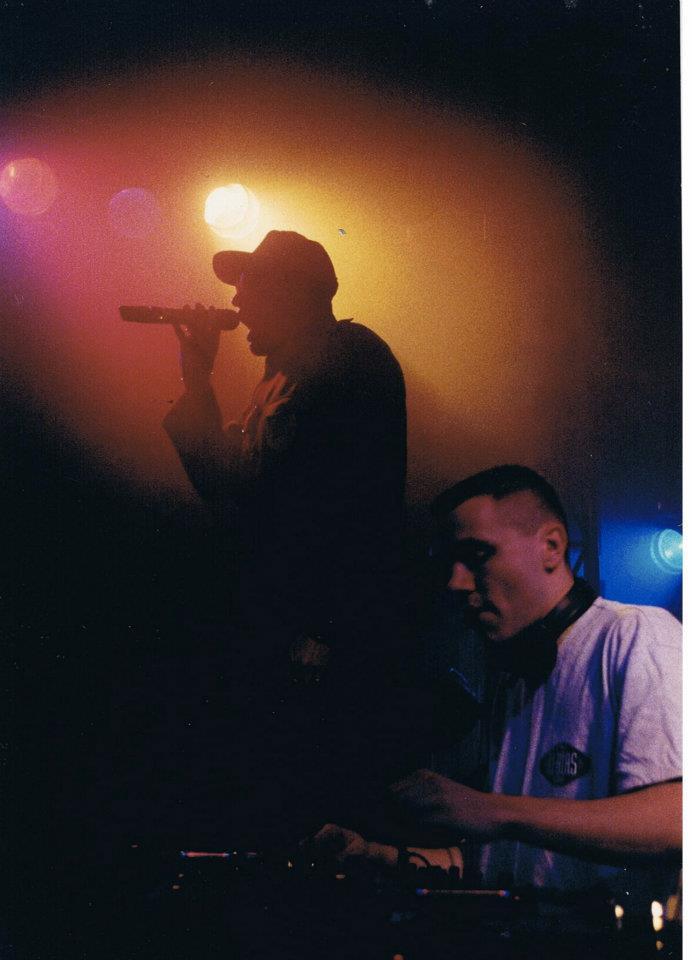
By the early 1990s, Adelaide had earned a reputation as the Australian city that understood techno most intuitively. Some local commentators went so far as to nickname it “A-troit.” One account of the era describes Adelaide as “once this country’s groundbreaking electronic music city,” whose producers achieved international recognition through those labels. To quote Resident Advisor:
“HMC’s pioneering cuts "Dirty Acid Trax, "Life Support System", and "187" on Juice Records saw his hometown of Adelaide dubbed ‘Australia’s Detroit’ in the 1990s. Subsequent releases "LSD", "Marauder" and the notorious "Phreakin’" propelled Antipodean techno and house into the world’s clubs via the record boxes of heavyweights such as Richie Hawtin, Jeff Mills, Laurent Garnier and Daft Punk, to name but a few.
Adamek suggests that big players like “Dirty House and the rise of Juice Records, and at the same time that really influenced people DJs like DJ Brendan- went on to essentially run Heaven, which became a really big electro producer well into the 2000s. I think he only left when HQ got sold around 2012. Anyway, he was a big producer. That was actually Core magazine who produced that with them; Brendan and Angus were associated with the rave scene and that slightly younger….there were so many revolutions happening quickly. Suddenly everything sped up. By the time we were 21 there were all these 16 and 17 year olds wearing baggy clothes and sucking chupa chups and really glommed onto the UK Rave thing.”
By the late 90s, Adamek says, “The bikies were turning up with guns to the DMC competitions. That was the time when people say the scene had changed. It was just these guys who saw the drugs and the hot women, and saw the potential for exploitation. These spaces can very easily tip into something else.” Several DJ’s moved elsewhere, to Sydney and Melbourne, as the genre became more popular. “Eventually Mike Rann stepped in, and there was a push to stand up to the bikies. There was a whole taskforce around controlling that. What that also seemed to enable was that there was a point where Adelaide city was much more like Sydney - it was much more policed and controlled. Things like building codes started to change. It just became harder and harder to hit up a venue and run a night.”
By the 2000s, the influence of Adelaide techno had suffered multiple defeats, and clubs like Sugar were some of the last survivors. Which is not to say that the DIY nature of Adelaide music, on the whole, was lost. Now, the influence of Dunstan’s impact on the cosmopolitan city that holds no justification for its existence may not be found in techno. It is in bedroom producers, small cliques, and adventists of the new form that the underground is defined, which is admittedly small but safe for the inquiring. The techno of today in “the city of raves” is represented less by singular institutions than by a loose constellation of collectives, DIY parties, warehouses, independent radio stations, small festivals and stubbornly committed deejays who continue operating despite the disappearance of many of the material conditions that once made scenes easier to sustain. Venues like Ancient World and newer clubs attempting to cultivate a harder underground sensibility exist alongside bush doofs, temporary party spaces and semi-legal events circulated mostly through word of mouth and Instagram stories that disappear after twenty-four hours. The contemporary scene feels less unified than the rave era of the 1990s, but perhaps more diffuse, which is not to suggest that raves don’t still exist. They largely exist outside the restrictions of established clubs. One writer for Vice notes that raves in Adelaide “are eight-hour parties—sometimes held in abandoned schools—that get meticulously thought-out because the organisers have a lot to lose.”
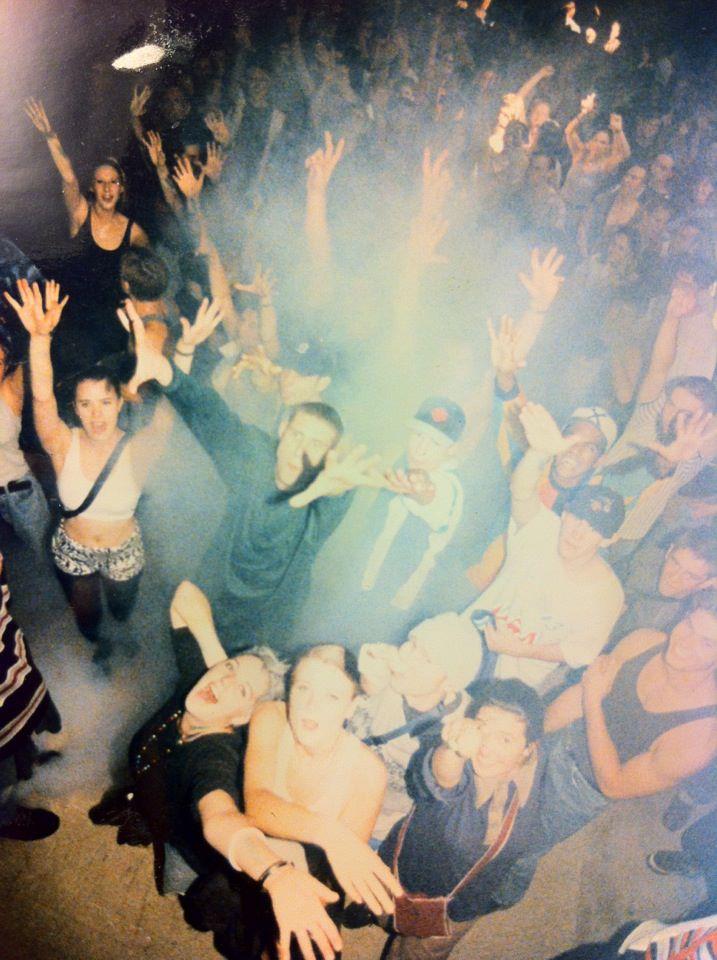
It has been fashionable in recent times to suggest that techno and raving produce a revolutionary consciousness, or at least share parallels. Clearly, critics who inherit the rhetoric of 1990s cyber-libertarianism or the post-1968 counterculture have drawn broad strokes. It might be more accurate to see these genres merely reflect how those elements exist - or don’t exist - in the collective consciousness. Dance music serves as the mirror to our shared physicality. The early histories of House music and Detroit techno, for instance, demonstrate how an entire genre can emerge from economic abandonment. In Hyperpolitics, writer Anton Jager uses Wolfgang Tillmans' photography as a means to understand how they “document Thatcherite London and Berlin at the moment the Wall is crumbling. To the east, state socialism is nearing collapse…Tillman’s camera records a deliberate exercise in collective amnesia: an attempt to exorcise the ideological spectre of the last century.” Which is to say, if politics exists in these scenes, they are shaped as much by infrastructures of capital (or their collapse) and the deterministic forces of profit which shape how the music changes, as much as they are by ecstatic instances.
Earlier, I said that DIY in Adelaide has always been a part of its makeup. Whether that is essential is less interesting to me than the fact that it was accessible and held a low barrier to entry. Once, before the Adelaide CBD became what it is now, the city centre was full of empty warehouses and buildings, and club kids raring to go, wielding whatever they had to occupy those spaces and stitch something together. It’s undoubtedly special when space, free time and natural talent lead to the creation of new movements. As the cost of living in Adelaide rises for the first time above that of other cities, I wonder if this character is under threat. Our era suspects collective activity for its own sake, and scenes require excess capacity: unused buildings, low rents, free time, tolerated weirdness, semi-anonymity, an acceptance of risk and the possibility of failure. Peter Malinauskas, the current Premier, champions a kind of populism that skews toward the macho, a prescribed image of what Adelaide’s working class is and what it is supposed to look like, informed by defence contrasts and sporting spectacle, a stark contrast to the expansive possibilities of the past. His allegiances are to Saudi money funded gold tournaments like LIV golf and AFl, among other overblown competitions, disaffiliating the word “culture” from his agenda, treating it not as an autonomous sphere for democratic flourishing but as an adjunct to economic development, exerting his influence to pressure institutions like Writers Week and intervene whenever left wing political speech takes a turn that would appear to be in any way “mobilising.” In moments of clarity, it becomes obvious that what is effectively a socially conservative worldview remains hidden behind platitudes of progressive unity and the assumed function of the party he belongs to.
Politicians of his ilk speak often, lately, of social cohesion, and little of multiplicity. I, for one, do not find this neurasthenic framing comforting. It is a euphemism for an all-too-familiar practice: forced assimilation, a legacy we can probably attribute, in some way, to the post-Howard consensus. The intellectual dishonesty at the heart of this credo is rarely acknowledged for what it is, and the psychic work it is doing. What party in this arrangement has to self-censor to protect the ego of another? Who stands to gain, who suffers? But there is evidence from the past of a time when culture and access embraced a multivalent force, one that exemplified difference rather than muting it. Is cohesiveness the word for it? Maybe. But that’s not all we should aspire to be.
-
Jonno Revanche is a freelance writer based on Gadigal Land/Sydney, find them on Instagram.
